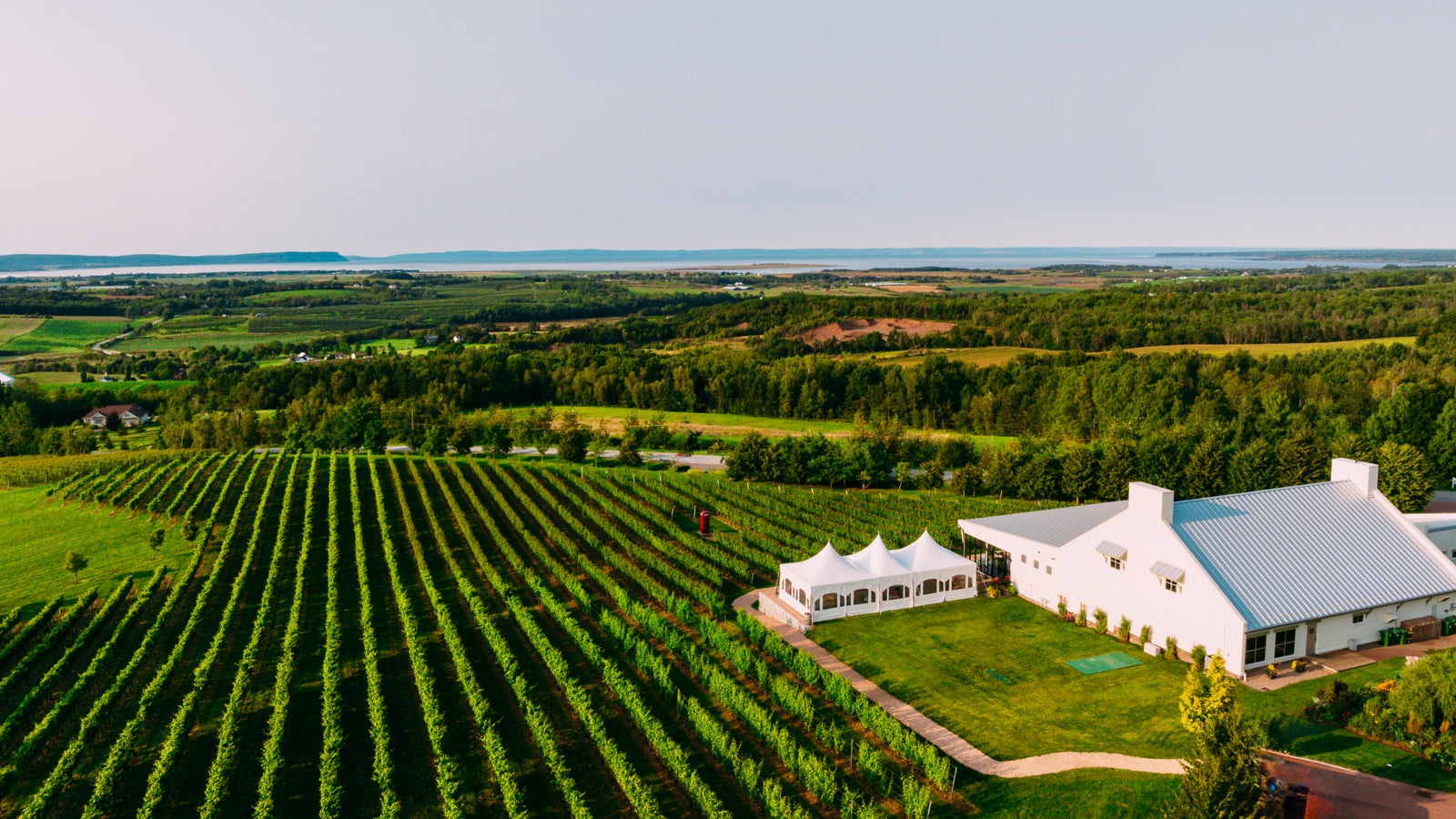
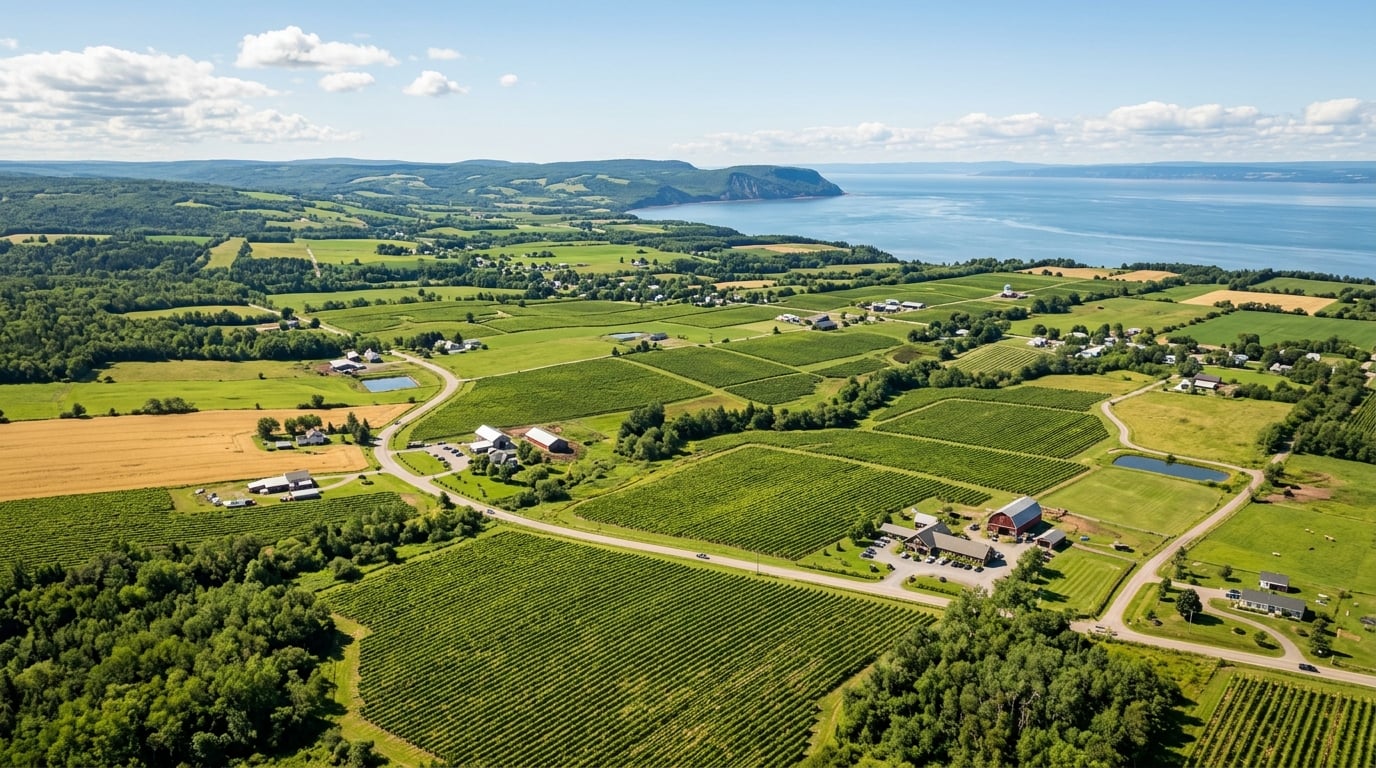
Aerial view of Annapolis Valley vineyards and farmland

Wine Regions of Nova Scotia

From the sheltered Annapolis Valley to the coastal Malagash Peninsula, discover the diverse terroirs that shape Nova Scotia wines.

Annapolis Valley

Annapolis Valley

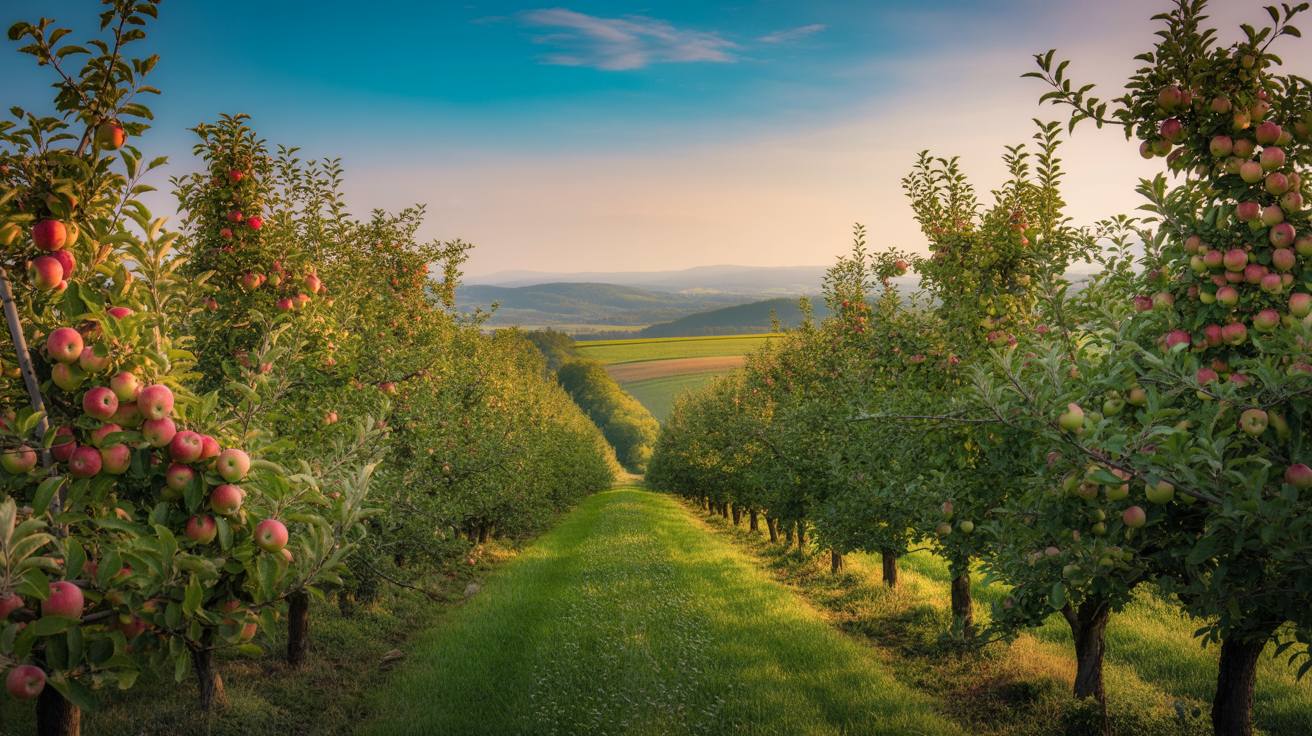
Nova Scotia’s Annapolis Valley is the province’s largest and most renowned wine region, and for many visitors it serves as the defining introduction to Nova Scotia wine. Stretching through a fertile corridor west of Halifax, the valley is sheltered between the North and South Mountains, creating a unique inland microclimate that moderates weather and helps protect vineyards from harsh coastal extremes. That natural protection, combined with long summer daylight and a relatively cool growing season, gives the region a distinctive identity and allows wineries to produce wines with bright acidity, freshness, and character. The valley’s winemaking story is deeply tied to the landscape and its history. At Grand Pré, a UNESCO World Heritage Site, the area’s Acadian past and agricultural legacy are interwoven with modern viticulture. The site stands as a powerful symbol of the region’s cultural depth, connecting today’s wine tourism with centuries of farming, resilience, and land stewardship. The vineyards here grow in well-drained glacial soils, an important advantage that helps roots establish deeply while preventing excess water retention. These soils, paired with the valley’s varied exposures, support the broadest range of grape varieties in the province, from classic cool-climate grapes to more experimental plantings. Some of Nova Scotia’s best-known wineries are found here. Domaine de Grand Pré is one of the province’s most historic wine destinations, while Lightfoot & Wolfville is celebrated for its organic and biodynamic approach. Blomidon Estate showcases the dramatic beauty of the North Mountain slopes, and Planters Ridge has earned attention for both wine and culinary offerings. Avondale Sky adds another layer of interest with its welcoming setting and unique production story, while Mercator reflects the region’s continued innovation and ambition. Wolfville, the valley’s lively town center, has become a destination in its own right, thanks to a vibrant food scene that complements local wine perfectly. Farm-to-table restaurants, cafés, bakeries, and seasonal markets make it easy to build a memorable tasting itinerary around exceptional local cuisine. Beyond the glass, the Annapolis Valley offers seasonal attractions year-round: spring blossoms, summer vineyard visits, harvest festivities, autumn colors, and winter escapes. With its concentration of top wineries, scenic beauty, cultural heritage, and outstanding food, the Annapolis Valley is the gateway to Nova Scotia wine tourism and the region most likely to shape a first-time visitor’s lasting impression of the province.

Terroir: Well-drained glacial soils including sandy loam and clay, protected by North Mountain, with moderating Bay of Fundy influence

Key Grapes: L'Acadie Blanc, Chardonnay, Riesling, Pinot Noir, Baco Noir, Marquette, Seyval Blanc

Bear River

Bear River

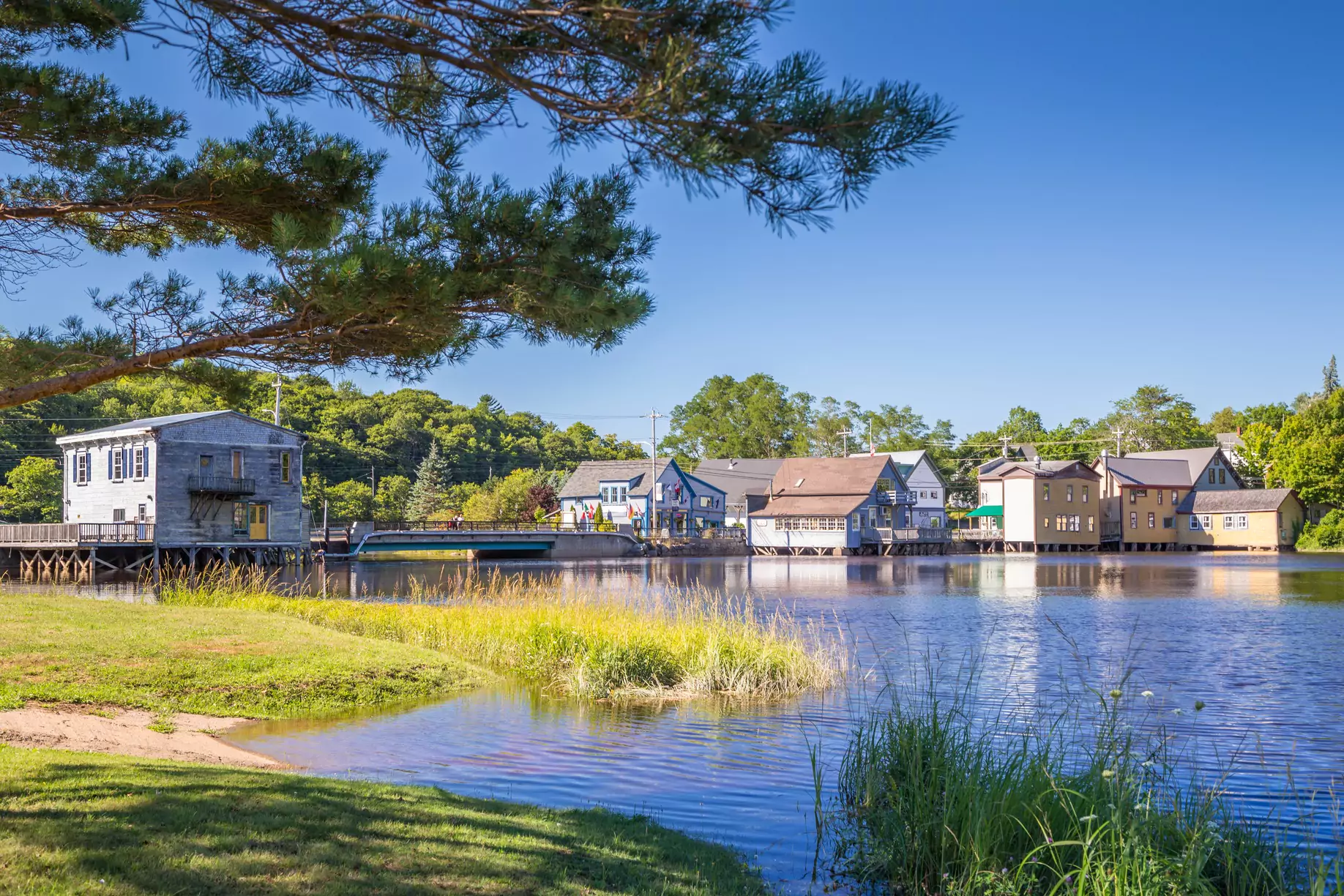
Nova Scotia’s Bear River wine region is a small but historically resonant corner of Atlantic Canada, where viticulture, landscape, and culture meet in a distinctly local expression of terroir. Long before the region was recognized for modern winemaking, the broader area holds an important place in North American grape-growing history: French settlers are believed to have planted vines here as early as 1611, making it one of the earliest grape-growing sites on the continent. That deep agricultural heritage gives Bear River a sense of continuity unusual for such a modest wine region, linking today’s vineyards with centuries of experimentation, resilience, and adaptation. The character of the land is central to the region’s wines. Bear River sits on granite-based soils that lend excellent drainage and help moderate vine vigor, encouraging grapes to develop concentration and freshness rather than excess weight. These ancient soils, combined with the region’s cool coastal climate, produce wines with striking acidity, aromatic clarity, and a mineral edge that reflects the underlying geology. The vineyards are also sheltered by the South Mountain range, which helps protect them from harsher inland weather while shaping a slightly warmer, more stable growing environment than one might expect this far east. Equally important is the region’s proximity to the Bay of Fundy. The bay’s powerful maritime influence tempers summer heat and extends the growing season, while its fogs, breezes, and temperature shifts create conditions that are challenging but highly expressive for cool-climate grapes. This interplay between protection and exposure is part of what gives Bear River its distinctive profile: a balance of freshness, tension, and coastal nuance. The key grape varieties grown here reflect that cool-climate identity. Pinot Noir offers delicacy, bright fruit, and earthy complexity. Maréchal Foch and Léon Millot, both hardy hybrids, thrive in the region’s climate and contribute deep color and robust flavor. L’Acadie Blanc has become especially important, producing crisp, vibrant white wines with floral lift and lively citrus notes. Together, these varieties showcase the adaptability and promise of the area. Beyond the vineyards, Bear River village adds another layer of appeal. Known as an artistic community, it is filled with galleries, studios, and creative energy that complement the region’s winemaking culture. As a result, Bear River is emerging not just as a place to taste wine, but as a destination where visitors can experience landscape, history, and artistry in one setting. Its unique terroir gives its wines a quiet confidence: coastal, granite-driven, and unmistakably Nova Scotian.

Terroir: Granite-based soils, sheltered by the South Mountain, with Bay of Fundy maritime influence

Key Grapes: Pinot Noir, Maréchal Foch, L'Acadie Blanc, Léon Millot
Gaspereau Valley

Gaspereau Valley

Nova Scotia’s Gaspereau Valley is the heart of the province’s wine country, a distinctive and highly regarded pocket of viticulture tucked into the broader Annapolis Valley. This sheltered sub-valley lies along the south side of the Gaspereau River, where gently rolling, south-facing slopes capture as much sunlight and warmth as possible in a cool-climate setting. That exposure is crucial: it helps grapes ripen steadily while preserving the bright acidity that gives Nova Scotia wines their freshness and elegance. The valley’s terroir is equally important. Its soils are typically silty clay loam, offering a balanced combination of drainage, moisture retention, and mineral complexity that suits a wide range of grapes. Just as vital is the protection provided by North Mountain, which helps shield the valley from harsh weather and moderates the influence of the Bay of Fundy. This natural shelter, combined with the valley’s favorable slope and soil structure, creates one of the most promising winegrowing environments in Atlantic Canada. Gaspereau Valley is home to some of Nova Scotia’s most prestigious wineries, including Benjamin Bridge, L’Acadie Vineyards, Gaspereau Vineyards, and Luckett Vineyards. These producers have helped define the region’s reputation both nationally and internationally. In particular, the valley has become synonymous with world-class sparkling wine production. The cool climate, long growing season, and high natural acidity produce base wines of remarkable precision, making the region especially well suited to méthode traditionnelle styles that are crisp, refined, and expressive. While sparkling wine may be the star, the valley also excels with key grape varieties such as L’Acadie Blanc, Chardonnay, Pinot Noir, and Riesling. L’Acadie Blanc, often considered Nova Scotia’s signature grape, thrives here and provides structure and versatility. Chardonnay and Pinot Noir contribute to the region’s celebrated sparkling wines, while Riesling brings aromatic lift and vibrant acidity. For visitors, the Gaspereau Valley offers more than excellent wine. It is a scenic and welcoming destination, with vineyard views, tasting rooms, farm-to-table experiences, and a relaxed rural charm that invites lingering. Whether exploring cellar doors, enjoying a glass overlooking the vines, or discovering the area’s maritime character, visitors quickly understand why the Gaspereau Valley is regarded as the center of Nova Scotia wine country.

Terroir: South-facing slopes with silty clay loams, north-facing slopes with gravel-rich glacial soils, sheltered river valley microclimate

Key Grapes: L'Acadie Blanc, Chardonnay, Pinot Noir, Riesling, New York Muscat

LaHave River Valley

LaHave River Valley

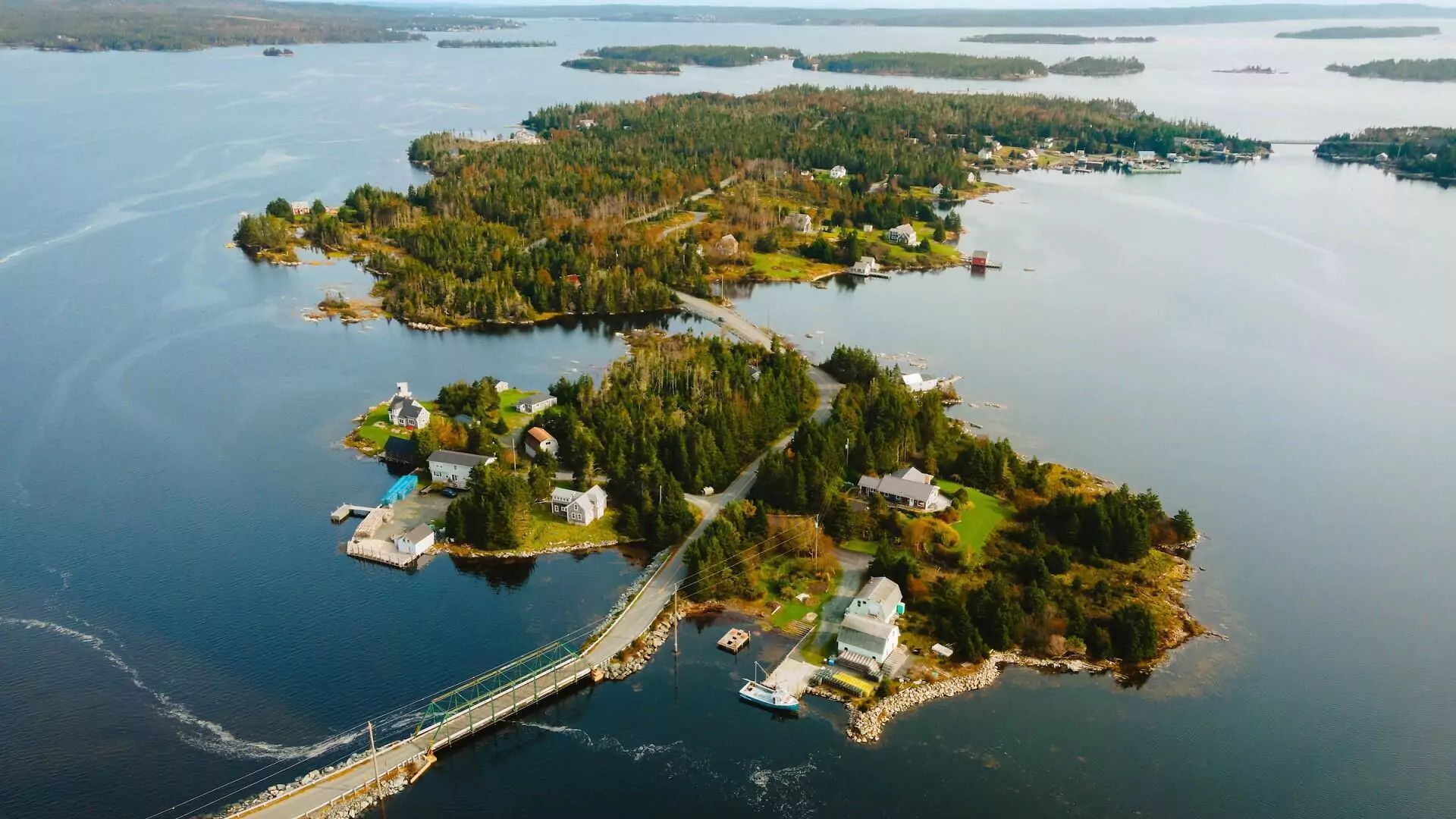
Nova Scotia’s LaHave River Valley wine region lies along the province’s South Shore, where the LaHave River winds toward the Atlantic and shapes one of the most distinctive vineyard landscapes in eastern Canada. This is not only a beautiful coastal valley; it is also one of North America’s oldest grape-growing sites, with records of vines being grown here since the 1600s. That long history gives the region a sense of continuity and heritage that few wine areas on the continent can match. What makes the LaHave River Valley especially compelling is its unique Atlantic influence. Cool ocean breezes, maritime fog, and the moderating effect of nearby water help create a terroir that is both challenging and rewarding. The climate is shaped by the sea, yet the valley’s geography provides pockets of warmth that allow grapes to ripen more fully than in many other parts of Nova Scotia. Compared with cooler inland or more exposed coastal sites, the LaHave Valley is often considered one of the province’s warmer wine-growing areas, giving growers a valuable advantage in a northern climate. The vineyards are planted across rocky drumlin hills, a classic glacial landscape that contributes both character and function to the region. These rounded hills are composed of well-drained soils, which are ideal for vine health because they prevent waterlogging and encourage roots to reach deeper into the ground. The result is fruit with strong natural acidity, fine aromatic expression, and a sense of mineral freshness that reflects the land. Petite Rivière Vineyards is one of the key wineries associated with the region and a prominent example of how the valley’s conditions can be translated into distinctive wines. Growers here focus on cool-climate varieties such as L’Acadie Blanc, Seyval Blanc, Maréchal Foch, and Lucie Kuhlmann. These grapes are well suited to Nova Scotia’s maritime conditions and are used to craft crisp whites, lively sparkling wines, and elegant reds with bright fruit and balanced structure. Beyond its wines, the LaHave River Valley is celebrated for its scenic beauty: rolling green hills, vineyard rows overlooking the river, and glimpses of the Atlantic all combine to create a remarkably picturesque setting. Among Nova Scotia’s wine regions, it stands out for its deep historical roots, warmer microclimate, and compelling blend of maritime influence and fertile, well-drained hillside terroir.

Terroir: Rocky Drumlin Hills with coastal Atlantic influence, one of the oldest grape-growing terroirs in North America

Key Grapes: L'Acadie Blanc, Seyval Blanc, Maréchal Foch, Lucie Kuhlmann

Malagash Peninsula

Malagash Peninsula

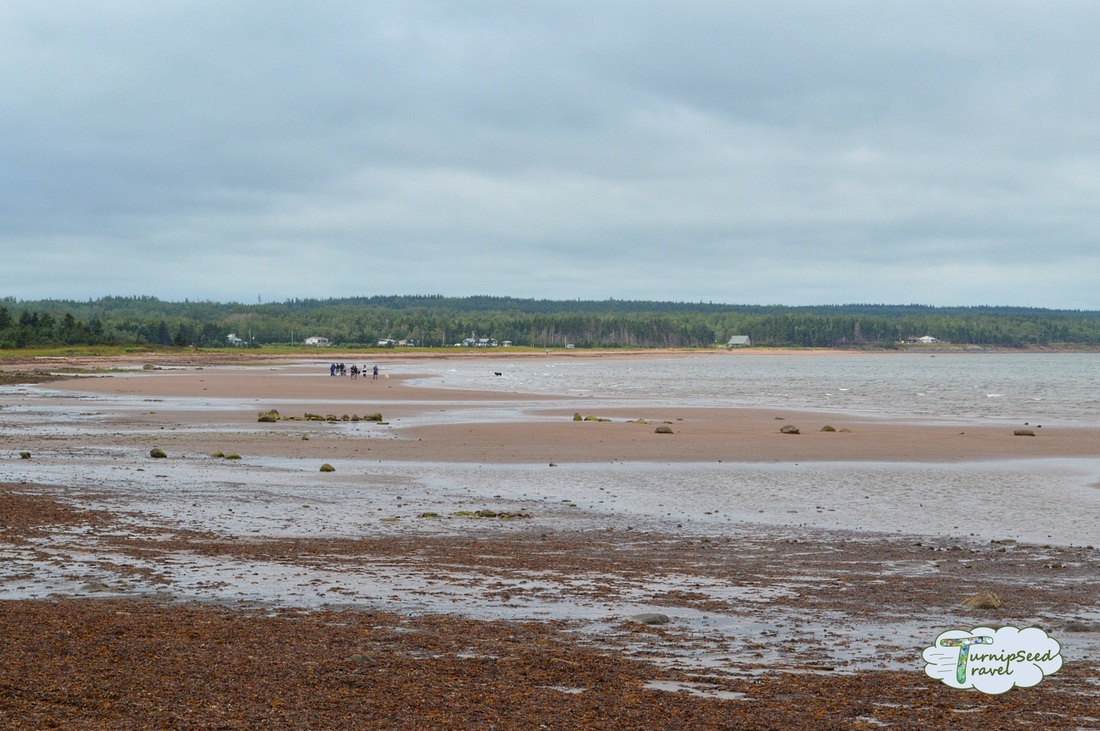
Nova Scotia’s Malagash Peninsula is one of the province’s most distinctive wine-growing areas, a coastal landscape where geology, climate, and maritime influence combine to create a small but characterful viticultural zone. Set along the shores of the Northumberland Strait on Nova Scotia’s northern mainland, the peninsula extends into a stretch of water known for its relatively warm summer temperatures. That warming effect helps moderate the local climate, reducing the severity of frost and extending ripening conditions just enough to support grape growing in a place that might otherwise seem too cool and windswept for viticulture. The result is a unique microclimate shaped by the sea, with breezes off the Strait and the reflective influence of nearby water tempering the growing season. Equally important is the soil. Malagash is known for calcareous glacial till, a mineral-rich mix deposited by ancient glaciers and infused with limestone-like materials that can contribute to good drainage and favorable growing conditions. In many spots, sandstone is part of the underlying geology or appears among the soils, adding to the region’s complex mineral character. Together, these conditions create a terroir that suits cool-climate grapes particularly well, offering vines a balanced environment in which to develop freshness, structure, and aromatic complexity. The peninsula is best known as the home of Jost Vineyards, Nova Scotia’s longest-running winery, founded in 1978. Its establishment marked an important turning point in the province’s wine industry and helped establish Malagash as a pioneering center in Nova Scotia winemaking history. Long before broader recognition came to the region, Malagash was helping prove that quality wine could be made in Atlantic Canada’s maritime climate. Today, the area remains closely associated with that legacy. The grape varieties most at home here reflect the peninsula’s cool, coastal setting. L’Acadie Blanc, Ortega, Pinot Gris, Vidal, and Maréchal Foch all perform well in these conditions, each bringing its own strengths to the region’s white, sparkling, and light red wines. Their success underscores how well matched Malagash is to varieties that can thrive in a brisk but moderated environment. Beyond its vineyards, Malagash offers a relaxed rural atmosphere that is part of its appeal. Quiet roads, open farmland, and broad coastal views give the region a calm, unhurried feel. Scenic shorelines, salt air, and the changing light over the Northumberland Strait make it as beautiful to visit as it is important to Nova Scotia’s wine story.

Terroir: Calcareous glacial till with sandstone and siltstone, warmed by the Northumberland Strait waters

Key Grapes: L'Acadie Blanc, Ortega, Pinot Gris, Vidal Blanc, Maréchal Foch