About LaHave River Valley
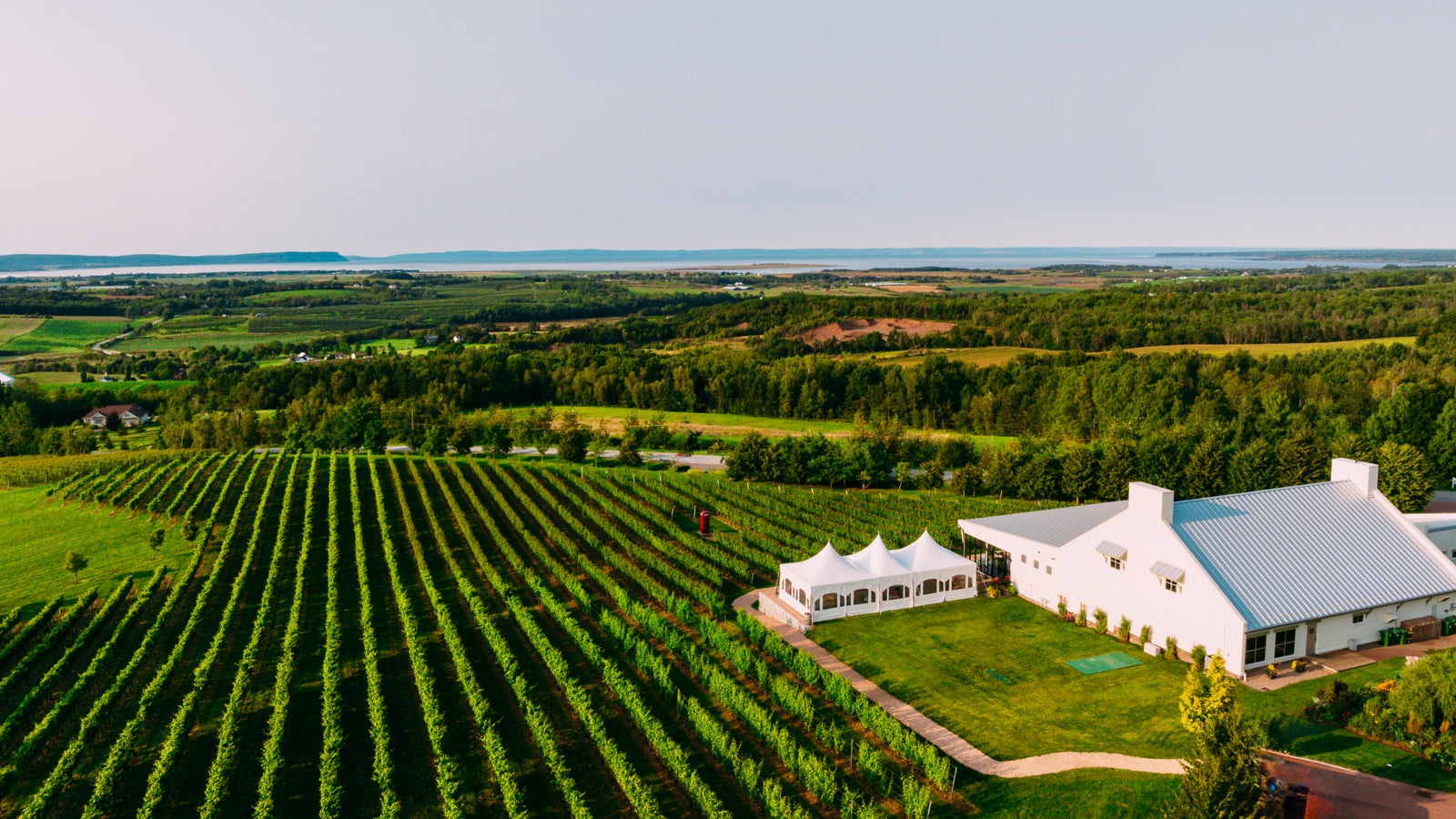
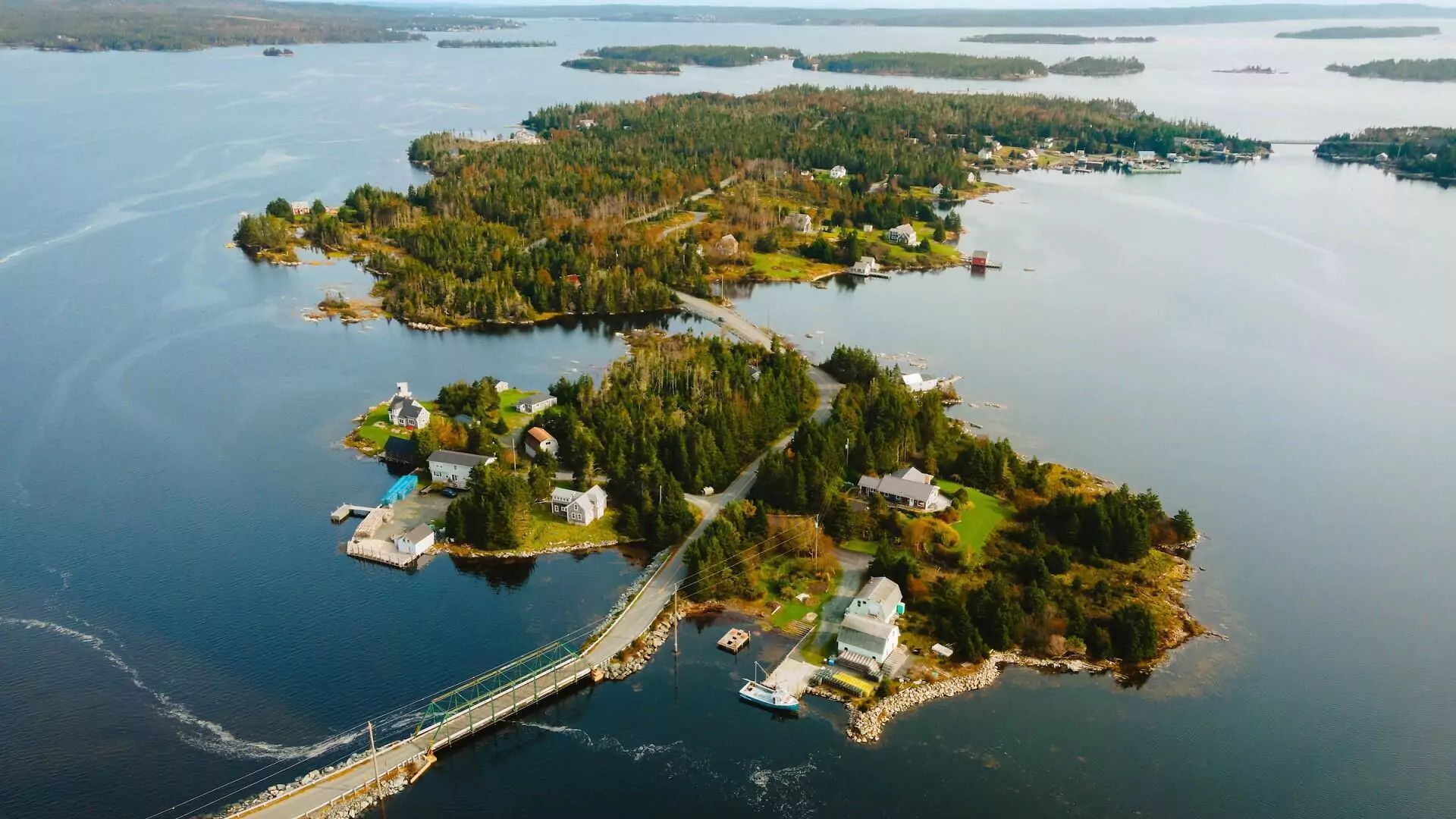
Nova Scotia’s LaHave River Valley wine region lies along the province’s South Shore, where the LaHave River winds toward the Atlantic and shapes one of the most distinctive vineyard landscapes in eastern Canada. This is not only a beautiful coastal valley; it is also one of North America’s oldest grape-growing sites, with records of vines being grown here since the 1600s. That long history gives the region a sense of continuity and heritage that few wine areas on the continent can match. What makes the LaHave River Valley especially compelling is its unique Atlantic influence. Cool ocean breezes, maritime fog, and the moderating effect of nearby water help create a terroir that is both challenging and rewarding. The climate is shaped by the sea, yet the valley’s geography provides pockets of warmth that allow grapes to ripen more fully than in many other parts of Nova Scotia. Compared with cooler inland or more exposed coastal sites, the LaHave Valley is often considered one of the province’s warmer wine-growing areas, giving growers a valuable advantage in a northern climate. The vineyards are planted across rocky drumlin hills, a classic glacial landscape that contributes both character and function to the region. These rounded hills are composed of well-drained soils, which are ideal for vine health because they prevent waterlogging and encourage roots to reach deeper into the ground. The result is fruit with strong natural acidity, fine aromatic expression, and a sense of mineral freshness that reflects the land. Petite Rivière Vineyards is one of the key wineries associated with the region and a prominent example of how the valley’s conditions can be translated into distinctive wines. Growers here focus on cool-climate varieties such as L’Acadie Blanc, Seyval Blanc, Maréchal Foch, and Lucie Kuhlmann. These grapes are well suited to Nova Scotia’s maritime conditions and are used to craft crisp whites, lively sparkling wines, and elegant reds with bright fruit and balanced structure. Beyond its wines, the LaHave River Valley is celebrated for its scenic beauty: rolling green hills, vineyard rows overlooking the river, and glimpses of the Atlantic all combine to create a remarkably picturesque setting. Among Nova Scotia’s wine regions, it stands out for its deep historical roots, warmer microclimate, and compelling blend of maritime influence and fertile, well-drained hillside terroir.
Terroir
Rocky Drumlin Hills with coastal Atlantic influence, one of the oldest grape-growing terroirs in North America
Key Grapes
L'Acadie Blanc, Seyval Blanc, Maréchal Foch, Lucie Kuhlmann