Ice Wine and Late Harvest: Nova Scotia's Sweet Wine Treasures
From frozen vines to golden drops, Nova Scotia’s ice wine and late harvests turn winter’s chill into pure sweetness—discover how the magic is made.
The Magic Behind the Bottle
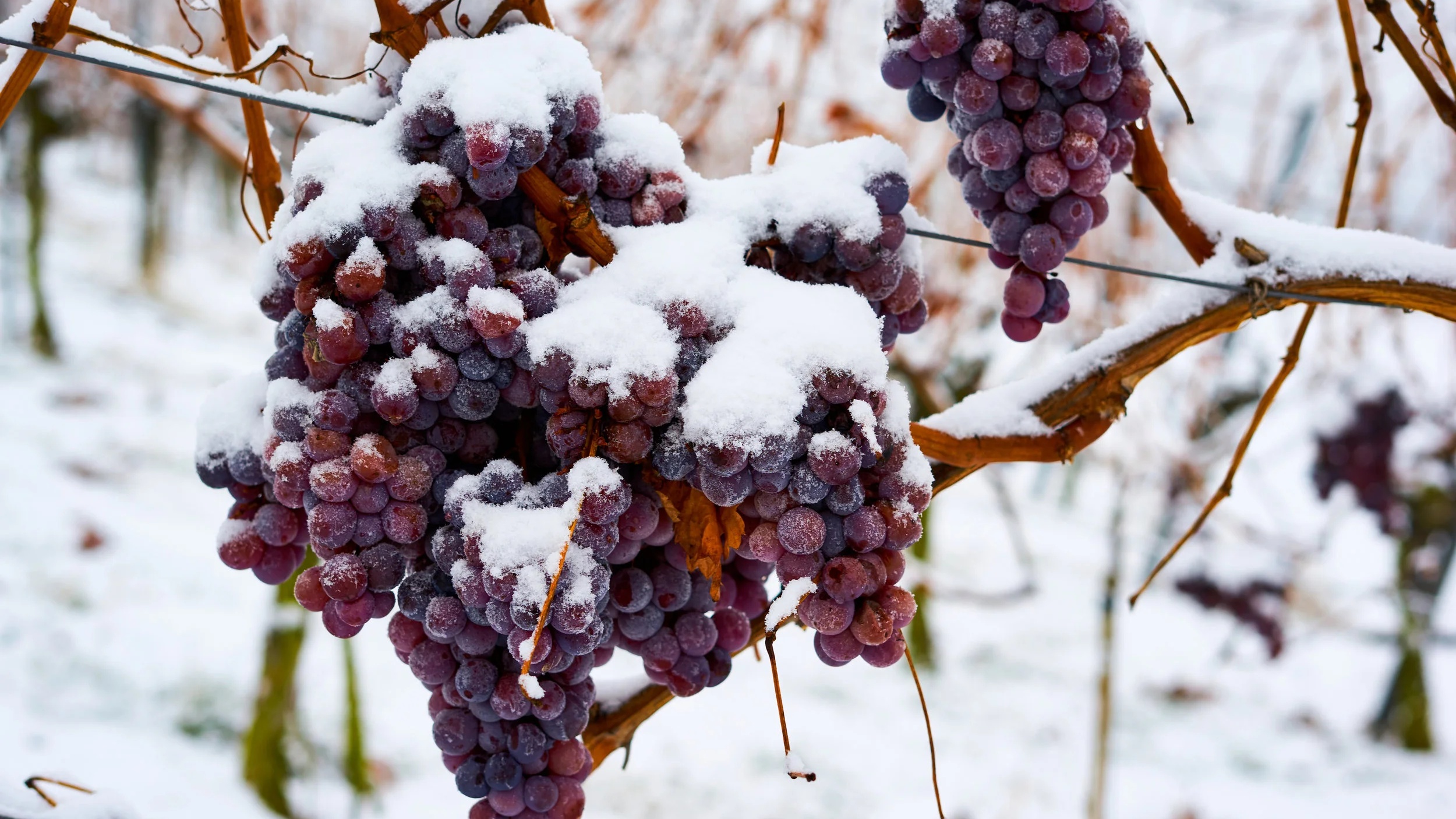
There is something almost impossibly romantic about the idea of ice wine. Somewhere in the dark, frozen hours before dawn, a small crew of harvesters moves through snow-dusted vineyard rows, picking grapes that have spent weeks hanging on the vine in bitter cold. The grapes are hard as marbles. Their juice, when finally pressed, emerges in tiny, precious quantities - thick, golden, and almost unbearably concentrated with sweetness and flavour. It is one of the most labour-intensive, weather-dependent, and genuinely thrilling things that winemakers anywhere in the world attempt to do.
Nova Scotia, it turns out, is exceptionally good at it.
If you have only ever tried Ontario ice wine, or perhaps a German Eiswein from the Rheingau, you might be surprised to discover that this small Atlantic province produces sweet wines that can stand comfortably alongside the best of them. The combination of maritime climate, dedicated producers, and the right grape varieties has quietly made Nova Scotia one of Canada's most interesting destinations for dessert wine lovers - and most visitors to the province have no idea.
What Ice Wine Actually Is
The term gets thrown around loosely, but true ice wine - or Eiswein in its German original - follows a very specific process. The grapes must freeze naturally on the vine, reaching an internal temperature of at least -8 degrees Celsius before they can be harvested. This is not a shortcut or a stylistic choice. It is the entire point.
When grapes freeze at that temperature, the water inside the berry turns to ice crystals while the sugars, acids, and flavour compounds remain liquid. When the frozen grapes are pressed, those ice crystals stay behind in the press, and what runs out is an incredibly concentrated juice with sugar levels that can reach 35 to 45 degrees Brix or higher. To put that in perspective, grapes destined for regular table wine are typically harvested somewhere between 20 and 25 degrees Brix. You are essentially pressing out pure essence of grape, stripped of most of its water content.
The resulting wine is rich, viscous, and intensely sweet, but the best examples balance that sweetness with equally pronounced acidity that keeps the wine from feeling cloying or heavy. That tension between sweetness and acidity is what makes great ice wine so compelling - and so food-friendly, despite what people assume about dessert wines.
How Ice Wine Differs from Late Harvest
Late harvest wines are often grouped together with ice wine in conversation, but they are genuinely different products made through different means. A late harvest wine is exactly what it sounds like: grapes left on the vine well past the standard harvest window, allowing them to dehydrate and concentrate their sugars naturally through a combination of sun, wind, and time. Some late harvest wines benefit from botrytis cinerea, the so-called noble rot, which punctures grape skins and accelerates water evaporation while adding its own complex, honeyed characteristics.
Late harvest wines are typically harvested in October or November in Nova Scotia, while ice wine production cannot even begin until the first hard freeze locks in those crucial temperatures - often December, sometimes January. Late harvest wines tend to be somewhat lighter in body and less intensely sweet than ice wine, with more floral and stone fruit character. They are also considerably easier to produce reliably, since they do not depend on a specific weather event arriving at exactly the right moment. Both styles have their place, and Nova Scotia makes excellent examples of each, but they are not interchangeable.
Why Nova Scotia Is Built for This
People who know Nova Scotia primarily as a seafood destination or a Celtic music stronghold sometimes struggle to picture it as serious wine country. But the province's geography creates conditions that are genuinely well-suited to both viticulture in general and ice wine production in particular.
The Annapolis Valley, which runs roughly parallel to the Bay of Fundy along the province's western interior, benefits from a moderating maritime influence that keeps temperatures from swinging too wildly. The valley is sheltered by North Mountain to the north and South Mountain to the south, creating a microclimate that is warmer in summer and somewhat more protected in winter than the surrounding landscape. The Gaspereau Valley, tucked into the eastern end of the Annapolis Valley near Wolfville, is particularly well regarded for its cool-climate white wine production.
What makes these areas suitable for ice wine is the reliable arrival of cold snaps in late November through January, combined with the fact that the grapes can often hang on the vine without succumbing to rot or being stripped by birds, provided the winemaker is vigilant. The maritime humidity that challenges grape growers during the growing season becomes less of a concern once temperatures drop. And when a cold night arrives - genuinely cold, consistently cold, hitting that -8 degree threshold - Nova Scotia delivers.
The Vidal Grape: Nova Scotia's Ice Wine Workhorse
If you spend any time exploring Canadian ice wine, you will encounter the Vidal grape repeatedly, and for good reason. Vidal Blanc is a French-American hybrid variety developed in the mid-twentieth century, and it has proven itself to be almost uniquely suited to ice wine production in northeastern North America.
Vidal has thick skins that resist cracking and disease during the long hang time required for ice wine. It retains high natural acidity even as its sugar levels climb dramatically. And it produces a flavour profile in ice wine that is genuinely compelling: tropical fruits like mango, lychee, and pineapple layered over apricot, peach, and honey, with a citrus-peel brightness that cuts through the sweetness. In Nova Scotia's cooler conditions, Vidal ice wines often carry a slightly more restrained, mineral-edged character than their Ontario counterparts, with the tropical notes present but balanced by green apple and stone fruit.
Some Nova Scotia producers also work with Riesling and other vinifera varieties for late harvest wines, and the results can be extraordinary, but Vidal remains the backbone of the province's sweet wine production.
The Producers Worth Knowing
Jost Vineyards in Malagash, along the Northumberland Shore, is one of Nova Scotia's oldest and most established wineries, and their ice wine program has been a cornerstone of their reputation for decades. Hans Christian Jost helped pioneer ice wine production in the province, and the winery continues to produce Vidal ice wine that reliably showcases everything the variety can do in this climate. Their ice wines tend toward the richer, more tropical end of the spectrum, with generous body and a long, warming finish. Visiting Jost is an experience in itself - the winery sits along the Sunrise Trail with views of the Northumberland Strait, and their tasting room is one of the most welcoming in the province.
Gaspereau Vineyards, situated in the Gaspereau Valley just outside Wolfville, takes a somewhat different approach. The valley's cooler temperatures and the winery's focus on cool-climate varieties gives their sweet wines a more restrained, precise quality. Their late harvest and ice wine offerings often show more citrus and green apple character alongside the expected stone fruit, with a mineral thread running through that reflects the valley's particular terroir. Winemaker Gina Haverstock has brought considerable skill and thoughtfulness to the program, and the winery's small scale means these wines are made with genuine attention to detail.
Benjamin Bridge, also in the Gaspereau Valley and primarily known for their sparkling wines, has produced late harvest wines that deserve attention from anyone serious about Nova Scotia's sweet wine scene. Their approach leans toward elegance and restraint rather than sheer sweetness, and the wines age beautifully.
The Harvest: Why These Wines Cost What They Do
Understanding the price of ice wine requires understanding the harvest, because nothing about it is easy or efficient. The window for picking is determined entirely by the weather, which means the winemaking team must be ready to mobilize at a moment's notice, often in the middle of the night when temperatures are at their lowest and most stable. Harvesting at night is not a romantic affectation - it is a practical necessity, because as soon as the sun rises and temperatures climb even slightly, the grapes begin to thaw and the precious ice crystals that hold the water start to melt back into the juice.
The harvest crew works in temperatures that are deeply unpleasant, picking frozen grapes by hand in the dark. The grapes must be pressed immediately, while still frozen, which means the winery is running in the middle of the night as well. The pressing itself is slow and yields very little juice - while a tonne of regular wine grapes might yield 600 to 700 litres of juice, a tonne of ice wine grapes pressed at -8 degrees Celsius might yield only 100 to 150 litres. Sometimes less.
That yield difference alone explains most of the price difference between a regular bottle of wine and a 375 millilitre half-bottle of ice wine. You are not paying for a marketing story. You are paying for the actual cost of producing something that requires perfect conditions, immediate response, exhausting labour, and dramatically reduced output.
Tasting and Serving
Nova Scotia ice wine deserves to be tasted thoughtfully rather than gulped. Serve it well chilled - around 8 to 10 degrees Celsius - in a smaller wine glass that concentrates the aromatics without letting them dissipate. A standard white wine glass works perfectly well; you do not need a specialized dessert wine glass, though a slightly narrower opening helps focus those intense aromas.
Pour smaller amounts than you would for table wine. Ice wine is rich and concentrated, and a standard 60 to 75 millilitre pour is appropriate. This is wine to sip slowly, letting it warm slightly in the glass and watching how the flavour profile evolves. When first poured, you might notice the tropical fruit and citrus most prominently. As it warms, deeper notes of dried apricot, caramelized peach, honey, and sometimes a whisper of vanilla or toasted almond emerge.
The finish on a good Nova Scotia ice wine is long and clean, with that characteristic acidity lifting the sweetness and leaving your mouth refreshed rather than sticky. This is the mark of quality in any dessert wine, and it is what separates genuinely well-made ice wine from the cloyingly sweet versions that give the category a bad reputation with some wine drinkers.
Food Pairings That Actually Work
The conventional wisdom that dessert wines should only be served with dessert is one of the more unfortunate myths in wine culture, because it limits these wines to a single narrow occasion when they are actually remarkably versatile.
The most celebrated pairing for ice wine is with blue cheese or aged cheeses like Stilton, Roquefort, or a good aged cheddar. The salt and funk of the cheese acts as a counterpoint to the wine's sweetness, and the combination is genuinely greater than the sum of its parts. Grab a wedge of local Nova Scotia cheese from the Annapolis Valley - there are excellent small producers in the region - and you have a pairing that showcases both the province's dairy and wine traditions simultaneously.
Foie gras with ice wine is a classic combination for good reason. The richness of the foie gras matches the wine's body and sweetness, while the wine's acidity cuts through the fat and refreshes the palate. It is an indulgent pairing, but if you are treating yourself to ice wine, you might as well commit to the experience.
For dessert pairings, fruit-based preparations work best. A simple tart made with local Nova Scotia apples or pears, a peach crumble, or fresh berries with cream will complement the wine's fruit character without competing with it. Avoid chocolate desserts with ice wine - the chocolate tends to overwhelm the wine's more delicate flavours. A very light, buttery shortbread cookie is a lovely and simple accompaniment.
Storing Sweet Wines
Opened ice wine will keep remarkably well in the refrigerator for one to two weeks, far longer than most table wines, because the high sugar content acts as a preservative. Recork it tightly and keep it cold.
Unopened, ice wine and late harvest wines can age beautifully. A well-made Nova Scotia Vidal ice wine will evolve over five to ten years, developing deeper caramel, dried fruit, and nutty characteristics as the primary tropical fruit notes mellow and integrate. Store bottles on their side in a cool, dark place with consistent temperature - the same conditions you would want for any quality wine.
Value and the Case for Nova Scotia
Ontario ice wine, particularly from the Niagara Peninsula, has built an enormous international reputation and commands prices to match. A 375 millilitre bottle of top-tier Niagara ice wine can easily run $60 to $100 or more. Nova Scotia ice wine, made with equal care and often from the same Vidal grape variety, frequently sells in the $35 to $55 range for a half-bottle - representing genuinely excellent value for what is in the glass.
This price difference is partly a matter of reputation and marketing, and partly a reflection of Nova Scotia's smaller production volumes and lower profile on the international wine stage. For the wine tourist visiting the province, this gap represents an opportunity. You are getting world-class dessert wine at prices that reflect a producer who is still building their audience rather than capitalizing on an established name.
Nova Scotia ice wine is one of those quiet treasures that rewards curiosity. It does not have the marketing machinery behind it that Niagara does. It does not appear prominently on wine lists in major cities. But in a small tasting room in Malagash or the Gaspereau Valley, poured by someone who stayed up through a January night to harvest frozen grapes in the dark, it tastes like exactly what it is: something rare, something difficult, and something genuinely worth seeking out.
Enjoy this article?
Get more wine stories and guides delivered to your inbox.
More Articles You Might Enjoy

A Wine Lover's Day Trip from Halifax: The Ultimate Itinerary
Escape Halifax for a day of vineyard views, cellar tastings, and rolling Annapolis Valley charm—an easy getaway that feels worlds away.
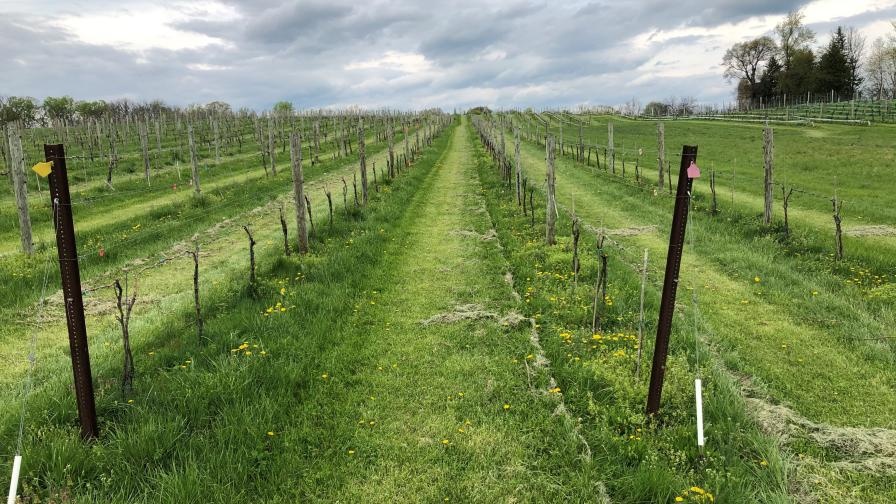
Sustainable Winemaking in Nova Scotia: Pioneers of Eco-Friendly Viticulture
From fog-kissed vineyards to forward-thinking wineries, Nova Scotia is redefining sustainable wine. See how eco-conscious growers craft exceptional bottles with a lighter footprint.
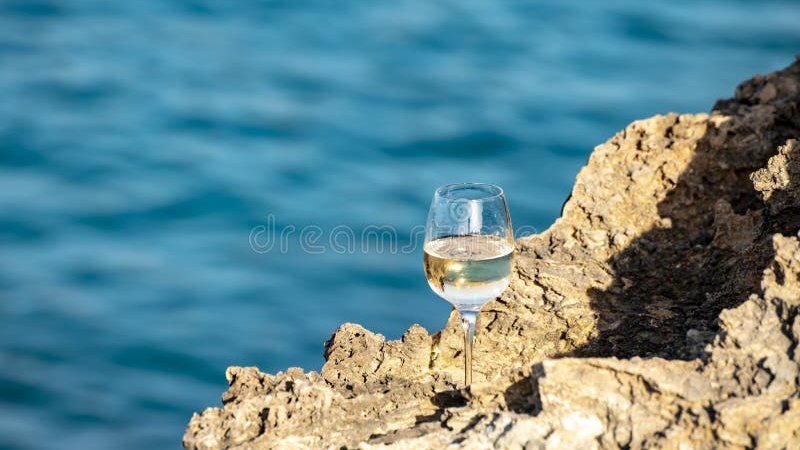
The History and Future of the Tidal Bay Appellation
From its Nova Scotian origins to what’s next, Tidal Bay reveals how a place defines a wine—and where the region may be headed next.