Sustainable Winemaking in Nova Scotia: Pioneers of Eco-Friendly Viticulture
From fog-kissed vineyards to forward-thinking wineries, Nova Scotia is redefining sustainable wine. See how eco-conscious growers craft exceptional bottles with a lighter footprint.
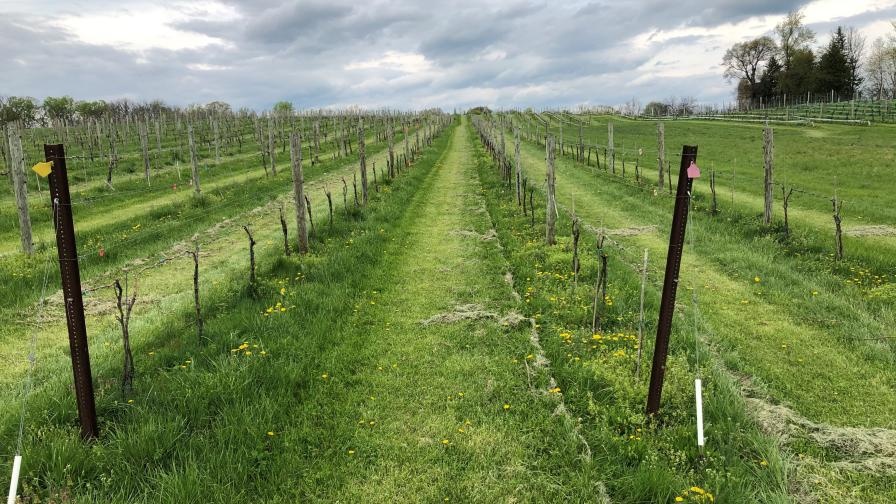
A Green Revolution in the Vineyard
Nova Scotia has always been a place where the land tells the story. From the red clay soils of the Annapolis Valley to the cool, fog-kissed slopes above the Minas Basin, this province has been quietly building one of Canada's most thoughtful and ecologically conscious wine regions. While sustainability has become something of a buzzword in the global wine industry, here in Nova Scotia it feels less like a marketing trend and more like a genuine response to place. The farmers and winemakers working these vineyards understand, perhaps more acutely than most, that the land is not just a resource to be managed but a living system to be partnered with.
What makes Nova Scotia's approach to sustainable winemaking so compelling is that it emerged not from idealism alone but from practical necessity. The province's maritime climate, with its cool summers, wet autumns, and the persistent threat of fungal disease, forces growers to think carefully about every intervention they make in the vineyard. The pioneers who chose organic and biodynamic methods here did so knowing the odds were stacked against them in ways that simply don't apply to growers in drier climates. That they have succeeded so beautifully is a testament to both their dedication and their deep understanding of this particular corner of the world.
## Lightfoot and Wolfville: Nova Scotia's Organic Trailblazers
No conversation about sustainable viticulture in Nova Scotia begins anywhere other than Lightfoot and Wolfville Vineyards, perched on the North Mountain escarpment in the Annapolis Valley. In 2018, the winery became the first certified organic winery in Nova Scotia, a milestone that sent a clear signal to the rest of the industry about what was possible. The Lightfoot family had been farming this land for generations before pivoting to viticulture, and that deep agricultural heritage informs everything they do.
The vineyard sits on basalt-rich soils with a remarkable view over the Minas Basin, and the Lightfoots have worked hard to cultivate a farming philosophy that honours the complexity of that landscape. They grow a range of varieties including Chardonnay, Pinot Noir, Pinot Gris, and the hardy Acadie Blanc, and every one of those vines is tended without synthetic pesticides, herbicides, or fertilizers. Instead, the team relies on copper and sulfur-based treatments approved under organic certification, along with a suite of biological controls and cultural practices designed to build vine resilience from the ground up.
Biodynamic Principles on the North Mountain
Beyond organic certification, Lightfoot and Wolfville has incorporated biodynamic principles into their farming calendar. Biodynamics, developed from the agricultural lectures of Rudolf Steiner in the 1920s, treats the farm as a self-sustaining organism and follows a planting calendar based on lunar and cosmic rhythms. Skeptics often raise an eyebrow at the more esoteric elements, but the practical outcomes, including dramatically improved soil biology, greater vine health, and wines of remarkable expressiveness, are difficult to argue with.
The winery prepares biodynamic preparations on-site, including the famous horn manure preparation known as 500, which is stirred into water and applied to the soil to stimulate root growth and microbial activity. The results are visible in the vineyard floor, which teems with earthworms, beneficial insects, and a diversity of plant life that would be absent in a conventionally managed block. Their wines, including the consistently excellent Ancienne Chardonnay and the textured, savory Tidal Bay, carry a sense of place that many tasters describe as uniquely vivid.
## L'Acadie Vineyards and the Organic Commitment
Up in the Gaspereau Valley, Bruce Ewert at L'Acadie Vineyards has been farming organically since the winery's founding in 2004, making it one of the earliest consistent practitioners of certified organic viticulture in the province. Ewert came to Nova Scotia after working in British Columbia's wine industry, drawn by the cool climate potential and the opportunity to do things differently.
L'Acadie Vineyards is named for and largely planted with the L'Acadie Blanc grape, a hybrid variety developed at Agriculture Canada's Kentville research station specifically for the Nova Scotia climate. Hybrid grapes like L'Acadie Blanc, Marechal Foch, and New York Muscat are not just a pragmatic choice for cool climates; they are often a cornerstone of organic viticulture in humid regions because many of them carry natural resistance to the fungal diseases that plague traditional Vitis vinifera varieties in wet conditions.
Ewert has built his farming system around the idea of minimal external inputs and maximum ecological function. He uses composted grape pomace to build organic matter in the soil, manages cover crops between his vine rows to fix nitrogen and prevent erosion, and monitors his vineyard obsessively for early signs of disease pressure, allowing him to intervene precisely rather than prophylactically. His sparkling wines made from L'Acadie Blanc, produced using the traditional method, have earned international recognition and demonstrated that organic viticulture in Nova Scotia can produce wines of genuine world-class quality.
## Natural Winemaking and Minimal Intervention in the Cellar
The commitment to ecological farming at many Nova Scotia wineries extends naturally into the cellar. Natural winemaking, loosely defined as a minimal intervention approach that avoids or dramatically reduces the use of additives and processing aids, has found a receptive audience among the province's more philosophically inclined producers. The idea is straightforward: if you have gone to the trouble of farming your land with care and integrity, why would you then mask the expression of that land with technological manipulation in the winery?
In practice, minimal intervention winemaking in Nova Scotia often means allowing fermentation to proceed with native yeasts present on the grape skins and in the winery environment, rather than inoculating with commercially selected yeast strains. It means avoiding fining agents derived from animal products, skipping filtration where possible, and using sulfur dioxide only sparingly and at the end of the winemaking process rather than throughout. The resulting wines can be more unpredictable than conventionally made bottles, but they are almost always more interesting, carrying a complexity and vitality that reflects their origins honestly.
## Cover Cropping, Biodiversity, and the Living Vineyard
Walk through a sustainably managed Nova Scotia vineyard in midsummer and you are immediately struck by how alive it feels compared to a conventionally managed block. Between the vine rows, a rich tapestry of grasses, clovers, wildflowers, and herbs creates habitat for beneficial insects, improves soil structure, and reduces the need for synthetic nitrogen fertilizers. This practice, known as cover cropping, is one of the most visible and impactful tools in the sustainable viticulture toolkit.
At wineries across the Annapolis Valley and Gaspereau Valley, cover crop mixes are carefully selected to serve multiple functions simultaneously. Legumes like crimson clover and hairy vetch fix atmospheric nitrogen and make it available to the vines. Deep-rooted species like chicory and daikon radish break up compacted subsoil layers and improve drainage, which is critically important in a region that receives substantial rainfall during the growing season. Flowering species attract predatory insects that feed on grape pests like leafhoppers and spider mites, reducing the need for any intervention at all.
The broader biodiversity picture matters enormously too. Wineries that maintain hedgerows, woodlot edges, and unmowed grass margins around their vineyards create corridors that support birds, bats, beneficial insects, and small mammals, all of which play roles in natural pest control. Some producers have installed bat boxes and bird boxes specifically to encourage these natural allies. The philosophy is one of working with ecological complexity rather than trying to simplify and control it.
## Integrated Pest Management in a Maritime Climate
Nova Scotia's maritime climate is one of the most challenging environments in the world for organic viticulture, and no honest account of sustainable winemaking here can skip over this reality. The combination of warm, humid summers, frequent rainfall during the growing season, and the proximity of the Bay of Fundy creates ideal conditions for fungal diseases like powdery mildew, downy mildew, and Botrytis cinerea. Conventional growers in the region often apply fungicide sprays on a regular preventive schedule throughout the season, sometimes as many as twelve to fifteen times per year.
Organic growers must manage this pressure with a more limited and carefully deployed toolkit. The foundation of their approach is integrated pest management, or IPM, a system that combines cultural practices, biological controls, and approved organic inputs in a coordinated strategy designed to keep disease pressure below economically damaging thresholds rather than eliminating it entirely. Canopy management is absolutely central to this approach. By carefully positioning shoots, removing excess foliage, and ensuring good air circulation through the vine canopy, growers can dramatically reduce the humid microclimate within the vine where fungal spores thrive.
Timing is everything in this system. Organic growers in Nova Scotia monitor weather conditions obsessively, using disease prediction models to identify periods of high infection risk and targeting their copper and sulfur applications precisely at those moments rather than on a fixed calendar schedule. This requires skill, experience, and a willingness to be in the vineyard constantly, but it results in a much more ecologically sound approach than the blanket spray programs common in conventional viticulture.
## Solar Energy, Water Conservation, and Carbon-Neutral Ambitions
The sustainability conversation in Nova Scotia's wine country extends well beyond the vineyard fence. Several wineries have made significant investments in renewable energy infrastructure, with solar photovoltaic installations becoming increasingly common across the region. The combination of Nova Scotia's summer sunshine and the province's relatively progressive net metering policies has made solar a financially attractive option for wineries looking to reduce both their carbon footprint and their operating costs.
Lightfoot and Wolfville has been particularly proactive on the energy front, with solar panels contributing meaningfully to the winery's electricity needs during the production season. The winery has also invested in energy-efficient refrigeration systems, LED lighting throughout the facility, and insulation upgrades that reduce the energy required to maintain the cool temperatures needed for quality winemaking. These investments reflect a genuine commitment to reducing the winery's environmental impact across all dimensions of its operation.
Water conservation is another area of active focus. Winemaking is a surprisingly water-intensive process, requiring significant volumes for equipment cleaning, cooling, and various production tasks. Progressive Nova Scotia wineries have implemented closed-loop water recycling systems, water-efficient cleaning protocols, and in some cases constructed constructed wetlands or bioswales to treat and recycle winery wastewater on-site. In the vineyard, the cool and wet Nova Scotia climate means irrigation is rarely necessary, which is itself a significant water conservation advantage compared to wine regions in drier parts of the world.
Several producers have begun working toward carbon-neutral certification, conducting greenhouse gas audits of their entire operation and developing plans to offset unavoidable emissions through investments in local carbon sequestration projects, including reforestation initiatives and wetland restoration.
## How Sustainability Shapes Wine Quality
There is a lively debate in wine circles about whether organic or biodynamic farming actually produces better wine, or whether the quality improvements attributed to these methods are simply the result of the extra attention that committed farmers pay to their vineyards. Honestly, the distinction may not matter much in practice. What is clear from tasting wines from Nova Scotia's most committed sustainable producers is that there is something happening in these bottles that goes beyond mere technical competence.
Wines from organically and biodynamically farmed vineyards tend to show greater complexity, more precise expression of their terroir, and a kind of vitality or energy that is difficult to describe but easy to recognize in the glass. The Tidal Bay wines from Lightfoot and Wolfville, the sparkling wines from L'Acadie Vineyards, and the thoughtfully made bottles from other sustainability-focused producers in the region consistently demonstrate that ecological farming and wine quality are not in tension but are in fact deeply complementary.
Healthier soils produce vines with deeper, more complex root systems that access a wider range of minerals and trace elements. Lower yields, often a natural consequence of organic farming, concentrate flavor and character in the remaining fruit. Native yeast fermentations preserve the aromatic complexity that commercial yeasts can sometimes homogenize. The cumulative effect of all these factors is wine that tells a more complete and honest story about the place it came from.
## Consumer Demand and the Market for Sustainable Wine
The market for sustainably produced wine has grown dramatically over the past decade, driven by a generation of consumers who think carefully about the ethical and environmental implications of their purchasing decisions. In Nova Scotia's wine tourism context, this shift is palpable. Visitors to the Annapolis Valley and Gaspereau Valley increasingly arrive with questions about farming practices, certifications, and environmental initiatives. They want to know not just whether the wine is delicious but whether it was made with integrity.
This consumer awareness has created genuine market incentives for wineries to invest in sustainable practices, which is ultimately the most powerful driver of change in any industry. When visitors specifically seek out certified organic producers, ask about biodynamic farming at tasting room counters, and choose to spend their wine tourism dollars at wineries that align with their values, they are participating in a feedback loop that encourages more producers to make the difficult and often expensive transition to sustainable methods.
Social media has amplified this dynamic considerably. Wine tourists who discover and fall in love with a sustainably farmed Nova Scotia winery share that experience widely, creating organic word-of-mouth marketing that no advertising budget can replicate. The story of a family farming their land without synthetic chemicals, coaxing expressive wine from difficult conditions through skill and ecological intelligence, is a compelling narrative that resonates deeply with contemporary wine drinkers.
## Local Organizations and the Sustainability Network
Nova Scotia's sustainable wine community does not operate in isolation. Several organizations provide important infrastructure, advocacy, and resources for producers committed to ecological farming. The Winery Association of Nova Scotia has been increasingly active in promoting sustainable practices across its membership, developing educational resources and facilitating knowledge sharing between producers at different stages of their sustainability journey.
The Perennia Food and Agriculture Corporation, based in Kentville, provides research and advisory services to Nova Scotia's agricultural sector including the wine industry, and has been involved in projects examining cover crop performance, integrated pest management strategies, and soil health monitoring in Nova Scotia vineyards. Agriculture Canada's Kentville Research and Development Centre has a long history of developing grape varieties and viticultural practices suited to the Nova Scotia climate, and its work on disease-resistant hybrid varieties has been enormously valuable for organic producers.
The broader organic farming community in Nova Scotia, represented through organizations like the Organic Nova Scotia network, provides certification support, peer learning opportunities, and advocacy for policy environments that support ecological agriculture. The connections between wine producers and the wider sustainable farming community are genuine and mutually reinforcing.
## How Visitors Can Support Sustainable Wineries
If you are planning a visit to Nova Scotia's wine country, one of the most meaningful things you can do is be intentional about where you spend your time and money. Visiting certified organic wineries like Lightfoot and Wolfville and L'Acadie Vineyards directly supports the economic viability of their farming model. Buying wine at the cellar door rather than through retail channels ensures that the maximum share of your purchase price goes directly to the producer.
Ask questions when you visit. The people pouring wine in sustainable winery tasting rooms are almost always deeply knowledgeable about and passionate about their farming practices, and they genuinely appreciate visitors who are curious about what happens in the vineyard. Ask about their cover crops, their approach to disease management, their energy infrastructure, their plans for the future. These conversations matter to producers and help them understand that their ecological commitments are recognized and valued.
Consider joining a winery's wine club or mailing list, which provides producers with the predictable revenue that allows them to invest in long-term sustainability initiatives. Attend harvest events and vineyard tours when they are offered, which deepens your connection to the land and the people farming it. Share your experiences with friends and on social media, because the best advertisement for sustainable Nova Scotia wine is genuine enthusiasm from people who have tasted it and understood the story behind it.
Nova Scotia's sustainable winemakers are doing something genuinely remarkable in a genuinely difficult climate. They deserve our attention, our curiosity, and our support. The wines they produce are not just delicious, they are evidence that farming with ecological intelligence and long-term thinking produces something worth celebrating.
Enjoy this article?
Get more wine stories and guides delivered to your inbox.
More Articles You Might Enjoy
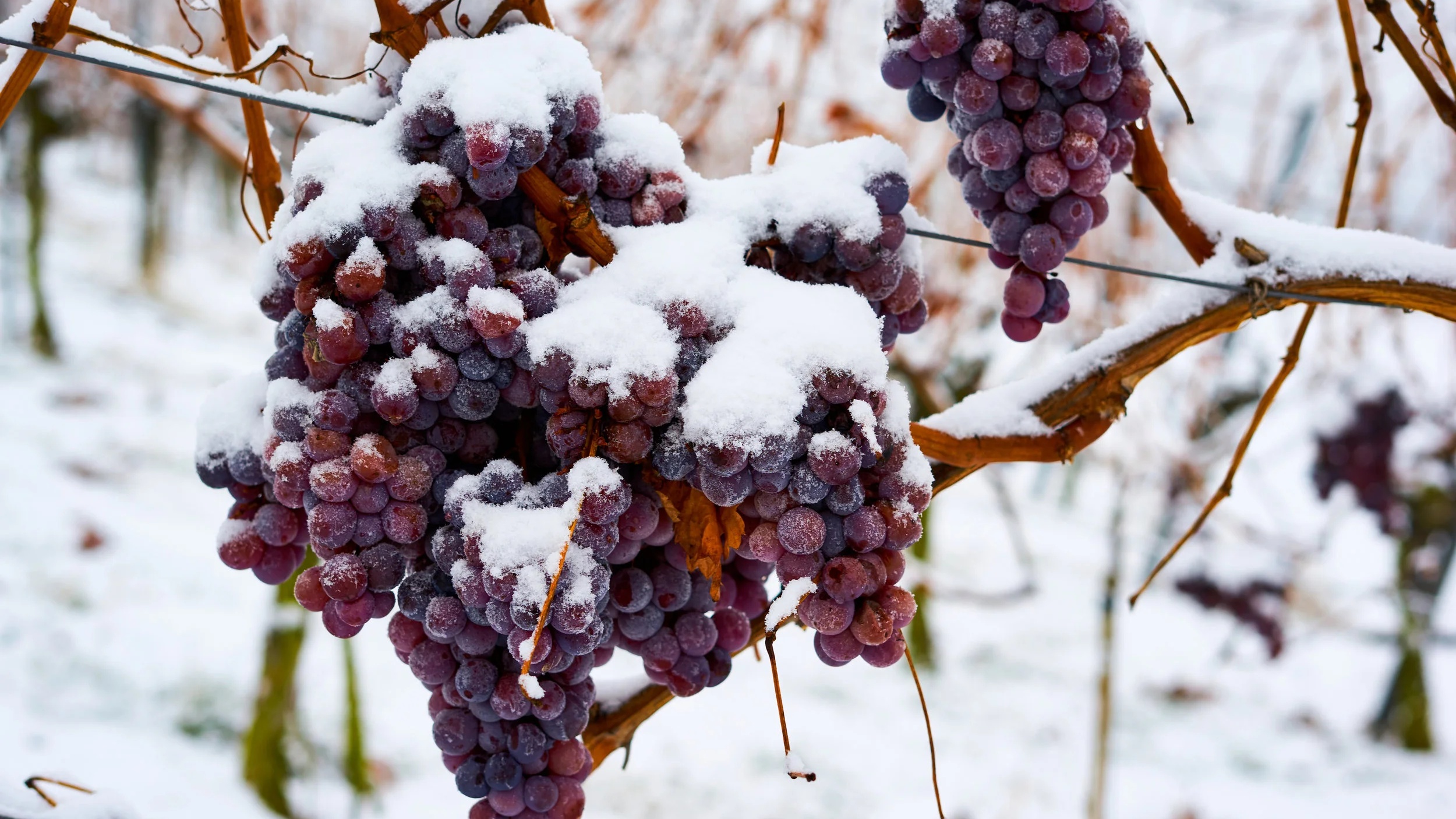
Ice Wine and Late Harvest: Nova Scotia's Sweet Wine Treasures
From frozen vines to golden drops, Nova Scotia’s ice wine and late harvests turn winter’s chill into pure sweetness—discover how the magic is made.

A Wine Lover's Day Trip from Halifax: The Ultimate Itinerary
Escape Halifax for a day of vineyard views, cellar tastings, and rolling Annapolis Valley charm—an easy getaway that feels worlds away.
The History and Future of the Tidal Bay Appellation
From its Nova Scotian origins to what’s next, Tidal Bay reveals how a place defines a wine—and where the region may be headed next.