A Wine Lover's Day Trip from Halifax: The Ultimate Itinerary
Escape Halifax for a day of vineyard views, cellar tastings, and rolling Annapolis Valley charm—an easy getaway that feels worlds away.
Why the Annapolis Valley Deserves a Full Day of Your Time
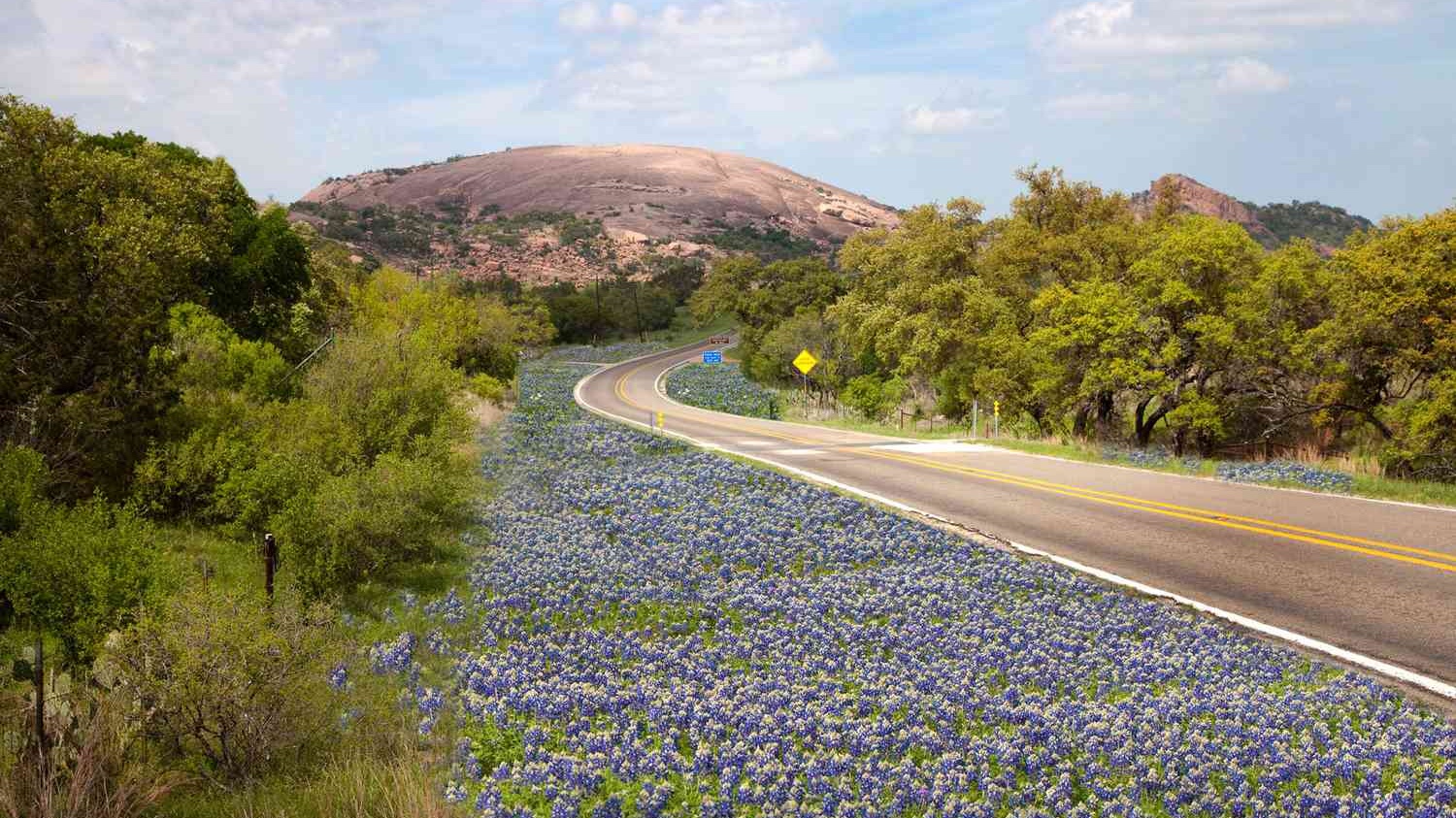
There's a moment, somewhere around the third winery of the day, when you stop worrying about your inbox and just breathe in the smell of damp earth and fermenting grape skins drifting through an open cellar door. That's what the Annapolis Valley does to you. It's only about an hour from Halifax, but it feels like a different province entirely — rolling drumlin hills, red-soiled farm fields, and row after row of vines that have no business producing wine this good at this latitude. And yet here we are.
Nova Scotia's wine industry has quietly become one of the most exciting cool-climate wine stories in North America. The Tidal Bay appellation, the region's signature white wine style, is genuinely world-class. The sparkling wines coming out of Benjamin Bridge can hold their own against serious Champagne. This isn't a novelty tourism experience. It's a real wine region, and it deserves a proper day trip with a proper plan.
This itinerary is built around a full Saturday, which lets you catch the Wolfville Farmers' Market in the afternoon, but it works on any day of the week with minor adjustments. The wineries listed here are all real, all worth visiting, and all within a tight enough geographic cluster that you won't spend half your day driving.
Getting Out of Halifax: Route Options and Morning Timing
The Highway 101 Route
Leave Halifax by 8:30 in the morning if you can manage it. Yes, that's early for a wine day. But getting on the road before 9:00 means you'll arrive in the Valley before the tour buses, before the weekend crowds, and with enough time to ease into the day rather than rushing through it.
Highway 101 West is the straightforward choice. It's a four-lane divided highway that takes you from the Bayers Road interchange all the way to Exit 10 for Grand Pré and Wolfville in about 55 minutes under normal conditions. It's not the most scenic drive in the world, but it's efficient, and if you're the designated driver, efficiency matters. Keep an eye on the fuel gauge before you leave — there are gas stations at the Windsor exit and in Wolfville itself, but it's easier to fill up in Halifax.
The Scenic Route Through Windsor
If you have an extra 20 to 30 minutes to spare and you want the drive to feel like part of the experience, take Highway 14 through Windsor instead. You'll peel off from the 101 earlier and wind through small towns like Enfield and Elmsdale before picking up the Hants County back roads. Windsor itself is worth a slow roll-through — it's the self-proclaimed birthplace of hockey, and the old downtown has a certain weathered charm. From Windsor, you can drop down through Falmouth and follow the Avon River corridor toward Grand Pré. The views of the Minas Basin when the tide is out are genuinely spectacular, and they set the mood for the whole day.
First Stop: Grand Pré National Historic Site
Before you open a single bottle, spend 45 minutes at Grand Pré National Historic Site. This might seem like an odd way to start a wine day, but it gives the whole region a sense of place that makes the wines taste different — more layered, more meaningful.
Grand Pré is a UNESCO World Heritage Site commemorating the Acadian people who were forcibly deported from this land by British colonial forces in 1755. The dykelands you'll see surrounding the vineyards — those flat, impossibly fertile fields reclaimed from the tidal marshes — were engineered by the Acadians centuries ago. The aboiteau system of tidal sluices they built is still functioning today, and it's part of why the soil here produces such distinctive wine grapes.
The visitor centre is well done, not overwhelming, and the grounds are peaceful in the early morning. The statue of Evangeline, Longfellow's fictional Acadian heroine, stands in a garden of willows near the old stone church. Give it the time it deserves. You'll see the same dykelands from the vineyard tasting rooms later, and you'll understand them differently.
Morning Winery Visits
Domaine de Grand Pré
From the historic site, it's a two-minute drive to Domaine de Grand Pré, which is arguably the most established winery in Nova Scotia and a logical first stop. They've been making wine here since the 1970s in various forms, and the current operation is polished without being pretentious.
Their Tidal Bay is a benchmark example of the appellation — crisp, aromatic, with that characteristic green apple and sea-spray quality that the cool climate and proximity to the Minas Basin impart. They also do excellent work with L'Acadie Blanc, a hybrid grape variety developed specifically for cold-climate growing, and their Baco Noir is the red to try if you want to understand what Nova Scotia can do with a serious red wine. The tasting room opens at 10:00 on most days, and the staff are genuinely knowledgeable rather than just reading from a script. The on-site restaurant, Le Caveau, is where you'll want to come back for lunch.
Benjamin Bridge
Head toward Gaspereau Valley next, which takes you off the main road and up into the hills that frame the eastern edge of the wine region. Benjamin Bridge is about 15 minutes from Grand Pré, and it is, without question, making the most ambitious wine in Atlantic Canada.
Their Nova 7, a semi-sparkling Muscat-based wine, has become a cult favourite — light, fragrant, just off-dry, and dangerously easy to drink at 11 in the morning. But the real showstopper is their Méthode Classique sparkling wine program. These are traditional-method sparkling wines made from Chardonnay, Pinot Noir, and L'Acadie Blanc, aged on the lees for years, and they are genuinely remarkable. The 2016 Brut has the kind of toasty, nutty complexity you'd expect from a serious Blanc de Blancs. The winery itself is architecturally stunning — all clean lines and glass overlooking the valley — and the tasting experience is elevated without being stuffy. Budget around $25 to $35 per person for a full tasting flight here.
Lunch Options Worth Sitting Down For
By noon or 12:30, you've done two wineries, you've had several tastes of wine, and you need food. This is not optional. Eating a proper lunch is one of the most important practical decisions of the day.
Le Caveau at Grand Pré is the most obvious choice and for good reason. It's housed in a converted barn on the winery property, the menu leans into local ingredients — Valley vegetables, Nova Scotia seafood, house-made charcuterie — and you can order a glass of whatever you just tasted in the tasting room. The prix fixe lunch is usually around $45 to $55 per person and is worth every cent.
If you want something more casual and you're heading into Wolfville, The Library Pub on Main Street does excellent pub food with a rotating local tap list and a warm, lived-in atmosphere. It's the kind of place where the bartender knows the names of the farmers who grew the vegetables in your salad. Expect to spend $20 to $30 per person including a drink.
Luckett Vineyards, up in the hills above Wolfville, has a restaurant with a patio that overlooks some of the most photogenic vineyard rows in the province. The food is good — not quite as refined as Le Caveau, but the setting compensates. Pete Luckett, the founder, is a local legend in the Nova Scotia food world, and the winery reflects his personality: colourful, exuberant, and genuinely fun. There's a red British phone booth in the middle of the vineyard that you can use to call anywhere in the world for free. It's a bit of a gimmick, but it's a charming one.
Afternoon Winery Visits
Gaspereau Vineyards
After lunch, head back into the Gaspereau Valley for the afternoon session. Gaspereau Vineyards sits right in the valley floor, surrounded by hills that create a natural bowl of warmth — a microclimate that lets them ripen grapes a bit more fully than sites closer to the Basin. Their Tidal Bay is consistently one of the best in the appellation, and their Riesling is the wine that surprises most visitors. Nova Scotia Riesling doesn't get talked about enough. The cool nights preserve acidity in a way that makes for wines with real tension and aging potential. The tasting room is unpretentious and the staff are friendly. This is a good stop for buying a case to take home, as their prices are reasonable and the wines travel well.
Luckett Vineyards
If you didn't stop here for lunch, the afternoon is the right time for Luckett. The tasting room has a full view of the vineyard and the valley beyond it, and in late afternoon light the whole scene turns golden in a way that makes it very hard to leave. Their Tidal Bay and their sparkling wines are the highlights, but the Ortega — a white grape variety that does particularly well in the Valley — is worth seeking out. It's floral and slightly tropical, a good palate cleanser after a day of more austere whites.
Photo Stops and Scenic Moments
The Gaspereau Valley lookout, accessible via a short gravel pull-off on Gaspereau Vineyard Road, gives you a view of the entire valley from above. Go in the late afternoon when the light is coming in low from the west and the vineyard rows cast long shadows across the red soil. It's one of those views that looks almost too composed to be real.
The dykelands near Grand Pré are worth a slow walk at any time of day. The flat, open landscape with the Minas Basin in the distance and the ridge of the South Mountain behind you is unlike anything else in Nova Scotia. On a clear day you can see across to the red cliffs of the Parrsboro shore.
Late Afternoon: Wolfville Farmers' Market and the Waterfront
If you're visiting on a Saturday, the Wolfville Farmers' Market runs until 1:00 PM inside the Wolfville Memorial Arena, so you'll need to work it into your morning or early lunch window rather than the late afternoon. It's worth the logistics. The market is small but excellent — local cheesemakers, bread bakers, preserves, and usually one or two producers selling wine-friendly snacks that make excellent car picnic material.
The Wolfville waterfront, at the foot of Front Street, is a quiet spot for a late afternoon walk. The tidal bore here is dramatic — the difference between high and low tide can be more than 15 feet — and if you time it right you can watch the tide come roaring back in across the mudflats. It's a good way to decompress and sober up slightly before the drive home.
Dinner Before You Go
If you want to have dinner in the Valley before heading back to Halifax, Chez La Vigne in Wolfville is the most wine-centric option — a small, serious restaurant with a wine list that leans heavily into Nova Scotia producers and a menu built around local seasonal ingredients. Reservations are essential on weekends. Alternatively, the dining room at Blomidon Inn, a Victorian mansion converted into a hotel and restaurant, does a more traditional fine dining experience with excellent local seafood.
For something more casual, Paddy's Pub on Wolfville's main strip is a reliable option with a good patio and the kind of hearty food that makes sense after a day of wine tasting.
Practical Tips for Making the Day Work
Pacing Yourself Through the Tastings
The single biggest mistake people make on wine day trips is treating every tasting as a full pour. Most winery tastings in Nova Scotia pour around 30 to 50 millilitres per wine, and a full flight of five or six wines adds up to a glass and a half of wine — which sounds manageable until you multiply it by four wineries. Use the spit bucket. Seriously. Spitting is not rude, it's not wasteful, and it's not a sign that you didn't enjoy the wine. It's what professionals do, and any winery worth visiting will have a spittoon on the counter. If you're tasting to learn and evaluate rather than to get drunk, spitting lets you taste more wines with more clarity and more enjoyment.
The Designated Driver Question
Sort out your designated driver situation before you leave Halifax, not in the parking lot of the first winery. If you're a group of four, consider rotating the responsibility across two trips rather than one person abstaining all day. Many wineries now offer non-alcoholic options — grape juice, sparkling water, sometimes a vinegar-based shrub drink — and the experience of walking through a cellar and talking to a winemaker is worthwhile even without the tasting. Alternatively, there are wine tour operators based in Halifax who run guided day trips with a dedicated driver, which removes the question entirely. Devour Culinary Tours and a handful of other local operators run Valley wine tours regularly.
Buying Wine and Getting It Home
Nova Scotia wineries can ship wine within the province, but interprovincial shipping of alcohol is still legally complicated in Canada. If you're driving back to Halifax, you can simply put your purchases in the trunk. A reusable wine carrier or a small cooler is worth bringing from home — wine doesn't love sitting in a hot car for hours. Most wineries sell six-bottle carry bags for a few dollars if you didn't bring one.
Budget around $25 to $40 per winery for tastings and a bottle or two to take home. A full day covering four wineries, lunch at Le Caveau, and dinner in Wolfville will run somewhere between $150 and $250 per person depending on how many bottles follow you home.
The Drive Back
Leave Wolfville by 7:00 PM if you're having dinner in Halifax, or by 9:00 PM if you ate in the Valley. The 101 is straightforward in either direction, and the drive back through the Windsor causeway and down into the city takes about an hour in light traffic. If you've paced yourself well — eaten real food, used the spit bucket, drank water between wineries — you'll arrive home tired in the best possible way, with a car that smells faintly of wine and a trunk full of bottles you're already looking forward to opening.
The Annapolis Valley doesn't ask much of you. Just show up, pay attention, and let the place do its work. It usually does.
Enjoy this article?
Get more wine stories and guides delivered to your inbox.
More Articles You Might Enjoy
Ice Wine and Late Harvest: Nova Scotia's Sweet Wine Treasures
From frozen vines to golden drops, Nova Scotia’s ice wine and late harvests turn winter’s chill into pure sweetness—discover how the magic is made.
Sustainable Winemaking in Nova Scotia: Pioneers of Eco-Friendly Viticulture
From fog-kissed vineyards to forward-thinking wineries, Nova Scotia is redefining sustainable wine. See how eco-conscious growers craft exceptional bottles with a lighter footprint.
The History and Future of the Tidal Bay Appellation
From its Nova Scotian origins to what’s next, Tidal Bay reveals how a place defines a wine—and where the region may be headed next.