The History and Future of the Tidal Bay Appellation
From its Nova Scotian origins to what’s next, Tidal Bay reveals how a place defines a wine—and where the region may be headed next.
What Is an Appellation and Why Should Wine Lovers Care
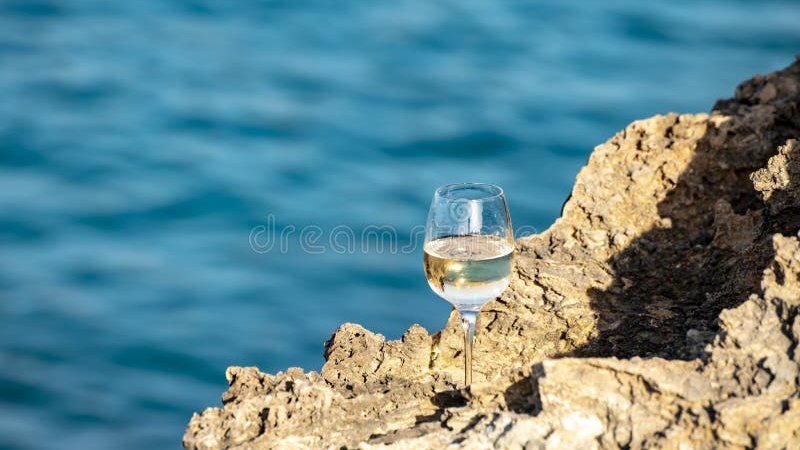
If you've ever picked up a bottle of Champagne, Bordeaux, or Napa Valley Cabernet, you've already encountered the concept of an appellation, even if you didn't know it by that name. An appellation is essentially a legally defined geographic designation that tells you where a wine comes from and, crucially, guarantees that it was made according to a specific set of rules tied to that place. It's not just a marketing label. It's a promise.
Appellations exist because geography matters enormously in wine. The soil, the climate, the proximity to water, the angle of the hills — all of these things shape what ends up in your glass. When a region formalizes these characteristics into an appellation, it's making a statement: this wine could only have come from here. It protects the integrity of local producers, educates consumers, and gives a region a distinct identity on the world stage.
In Canada, the appellation system falls under the Vintners Quality Alliance framework, commonly known as VQA. Nova Scotia has operated under the VQA umbrella since 2000, but it wasn't until 2012 that the province took the bold step of creating something truly its own — a single-wine appellation unlike anything else in the country.
The Birth of Tidal Bay in 2012
The creation of the Tidal Bay appellation in 2012 was a watershed moment for Nova Scotia wine. It marked the first time a Canadian province had defined an appellation not around a geographic region alone, but around a specific style of wine. Tidal Bay is Nova Scotia's first and only wine appellation, and it was designed from the ground up to capture the essence of what makes this corner of Atlantic Canada so special as a wine-growing region.
The name itself tells you everything you need to know about the philosophy behind it. The Bay of Fundy, which cradles much of Nova Scotia's wine country, is home to the highest tides in the world. These tides moderate the climate, pulling warm air off the water in autumn and extending the growing season just enough for grapes to ripen in a region that sits at roughly the same latitude as parts of Burgundy and the Rhine Valley. The ocean is not just a backdrop here — it's an active participant in the winemaking process.
Tidal Bay was designed to be a crisp, aromatic, food-friendly white wine that reflects this maritime character. Think fresh acidity, delicate fruit, a hint of salinity, and a clean, lingering finish. It's a wine that tastes like the place it comes from, which is exactly the point.
The Winery Association of Nova Scotia's Central Role
The Winery Association of Nova Scotia, known as WANS, was the driving force behind the creation and ongoing stewardship of the Tidal Bay appellation. This organization represents the province's commercial wineries and has been instrumental in lobbying for policies that support the local industry, promoting Nova Scotia wines domestically and internationally, and setting the standards that define what Tidal Bay actually means.
WANS worked closely with winemakers, viticulturists, and regulatory bodies to develop the production standards that govern Tidal Bay. This wasn't a top-down government initiative — it came from within the industry itself, from producers who understood their terroir and wanted to protect it. That grassroots origin gives the appellation a sense of authenticity and genuine buy-in from the people who make the wine.
The association also oversees the tasting panel process, which is one of the most important gatekeeping mechanisms in the entire system. Every bottle that carries the Tidal Bay designation has to earn that label through a rigorous evaluation process, which we'll get into shortly.
The Strict Standards That Define Tidal Bay
The production rules for Tidal Bay are genuinely strict, and that strictness is part of what makes the appellation meaningful. Not just any white wine grown in Nova Scotia can call itself Tidal Bay. Producers must use approved grape varieties, follow specific production methods, and pass a blind tasting panel before their wine can carry the designation.
Approved Grape Varieties
The approved varieties for Tidal Bay reflect the realities of Nova Scotia's cool, maritime climate. L'Acadie Blanc is the flagship variety, a hybrid developed in Canada specifically for northern growing conditions. It produces wines with bright acidity, citrus and green apple flavors, and a characteristic mineral quality that suits the Tidal Bay profile perfectly. Other approved varieties include Seyval Blanc, Vidal, Ortega, Geisenheim 318, New York Muscat, and several others that have proven themselves in the province's vineyards over decades of experimentation.
Blending is not only allowed but common. Many of the most interesting Tidal Bay expressions are multi-variety blends that allow winemakers to balance acidity, aromatics, and body in ways that a single variety might not achieve on its own.
Production Methods and Style Requirements
Tidal Bay wines must be dry or off-dry, with residual sugar levels capped to ensure the wine stays within the fresh, crisp style profile. Alcohol levels are kept relatively low, typically in the 11 to 12.5 percent range, which contributes to the wine's refreshing character and food-friendliness. Oak aging is generally avoided or used very sparingly, since the goal is to preserve the bright, aromatic qualities that define the style.
The Tasting Panel
Before any wine earns the Tidal Bay designation, it must pass a blind tasting panel conducted by a group of trained evaluators. This panel assesses the wine against the established style profile — checking for the characteristic acidity, aromatic freshness, and clean finish that define the appellation. Wines that don't meet the standard simply don't get approved. This creates a quality floor that protects the reputation of the appellation as a whole, which benefits every producer who participates.
How Tidal Bay Reflects Nova Scotia's Identity
There's a real sense in which Tidal Bay is a love letter to the Nova Scotia landscape. The province's wine regions — the Annapolis Valley, the Gaspereau Valley, the Malagash Peninsula, and the shores around Avonport and Wolfville — share a common thread of cool temperatures, long summer days, and that ever-present maritime influence. The wines that come from these places have a freshness and a lightness that you simply don't find in warmer wine regions.
Nova Scotia has always been a place defined by its relationship with the sea. The fishing villages, the tidal flats, the fog rolling in off the Atlantic — these things are part of the local identity in a way that's almost impossible to separate from everyday life. Tidal Bay bottles that identity and puts it on a shelf. When someone in Tokyo or London or Toronto opens a bottle of Tidal Bay, they're getting a genuine taste of this particular corner of the world, and that's a powerful thing.
Winery Profiles: Different Expressions of Tidal Bay
One of the most exciting things about the Tidal Bay appellation is that, despite its strict standards, it leaves plenty of room for individual winemakers to express their own vision. The rules define a style, not a recipe, and the results are fascinatingly diverse.
Benjamin Bridge
Benjamin Bridge in the Gaspereau Valley is widely regarded as one of Nova Scotia's most innovative producers, and their Tidal Bay expression reflects that reputation. Winemaker Jean-Benoit Deslauriers brings a meticulous, almost scientific approach to the wine, sourcing from estate vineyards that benefit from the cool Gaspereau microclimate. Their Tidal Bay tends to show exceptional precision and length, with a flinty minerality that sets it apart. Benjamin Bridge is perhaps best known for their sparkling wines, but their Tidal Bay demonstrates that still wines can achieve the same level of complexity.
Lightfoot and Wolfville
Lightfoot and Wolfville is a certified organic and biodynamic winery situated on the North Mountain above the Annapolis Valley, and their Tidal Bay is a genuine expression of their terroir-first philosophy. The winery farms their vineyards according to the lunar calendar and avoids synthetic inputs entirely, and you can taste the difference — there's a vitality and a purity to their Tidal Bay that feels alive in the glass. Their version often emphasizes the floral and stone fruit notes that L'Acadie Blanc can produce when farmed with care.
Blomidon Estate Winery
Blomidon Estate sits on the red sandstone cliffs above the Minas Basin, with views directly over the Bay of Fundy. It's hard to imagine a more dramatically situated winery in Canada, and that location directly influences their Tidal Bay. The red iron-rich soils and the constant tidal influence give their wine a distinctive earthy, almost saline quality that makes it one of the most terroir-expressive versions of the appellation. Blomidon has been making wine in this location for decades and brings a deep understanding of their specific site to every vintage.
Luckett Vineyards
Luckett Vineyards, known partly for the whimsical red British phone box that sits in their vineyard near Wolfville, produces a Tidal Bay that leans into approachability and immediate pleasure. Their version tends to be aromatic and fruit-forward, making it an excellent introduction to the appellation for visitors who are new to Nova Scotia wine. The winery draws significant tourism traffic and plays an important role in introducing Tidal Bay to people who might otherwise never seek out a cool-climate Canadian white wine.
Gaspereau Vineyards
Gaspereau Vineyards, tucked into the valley that shares its name, is one of the appellation's most consistent producers. Their Tidal Bay often showcases the citrus and green herb notes that make the style so food-friendly, and it pairs beautifully with the local seafood that Nova Scotia is famous for — lobster, scallops, and smoked fish in particular. Winemaker Gina Haverstock has been instrumental in shaping the conversation around what Tidal Bay can be.
Climate Change and the Future of the Appellation
Climate change is already reshaping Nova Scotia's vineyards, and the implications for Tidal Bay are both exciting and complicated. Average temperatures in the province have risen measurably over the past two decades, and the growing season has extended in ways that allow grapes to ripen more fully than they could even fifteen years ago.
For Tidal Bay, this creates a genuine tension. The appellation was built around cool-climate freshness and acidity. As temperatures warm, winemakers will need to adapt their practices — harvesting earlier to preserve acidity, exploring higher-elevation sites, or looking at vineyard management techniques that keep the vines cooler during the critical ripening period. Some producers are already experimenting with canopy management strategies specifically designed to maintain the bright acidity that defines the style.
On the other hand, warmer conditions are opening up possibilities that would have seemed far-fetched a generation ago. Vinifera varieties like Chardonnay, Riesling, and even Pinot Noir are showing increasing promise in Nova Scotia's vineyards, which brings us to one of the most interesting conversations happening in the province's wine community right now.
New Appellations on the Horizon: Sparkling and Red Wines
There is genuine momentum building around the idea of new appellations for Nova Scotia, and two categories keep coming up in these discussions: sparkling wine and red wine.
Nova Scotia's cool climate and naturally high acidity make it an ideal place to grow grapes for traditional-method sparkling wine. Benjamin Bridge's Nova 7, while not a traditional sparkling, helped put the province on the map as a serious sparkling wine producer, and several other wineries have been quietly developing impressive traditional-method wines over the past decade. The argument for a dedicated sparkling wine appellation is compelling — it would give these wines a formal identity and allow Nova Scotia to position itself alongside other great sparkling wine regions of the world.
The red wine conversation is more complex. Historically, Nova Scotia's climate has been challenging for red varieties, and much of the red wine produced in the province has relied on hybrid varieties like Marquette, Lucie Kuhlmann, and Leon Millot. But as the climate warms and as winemakers gain more experience with cool-climate red varieties, there is growing interest in formalizing a red wine appellation that celebrates these varieties rather than treating them as second-best alternatives to Bordeaux or Burgundy grapes. A well-defined red wine appellation could reframe the conversation around Nova Scotia reds and give consumers a clear framework for understanding what these wines are and why they're worth seeking out.
Cool-Climate Comparisons: Marlborough, Alsace, and Mosel
It's worth situating Tidal Bay within the broader context of great cool-climate wine regions around the world, because the parallels are genuinely instructive.
Marlborough in New Zealand built its reputation almost entirely on a single variety — Sauvignon Blanc — and a distinctive regional style that emphasizes freshness, aromatics, and vivid acidity. The comparison to Tidal Bay is obvious: both regions made a deliberate choice to lean into their cool-climate characteristics rather than chase the rich, full-bodied styles that dominate warmer wine regions. Marlborough's success demonstrates that a clear, consistent regional identity can translate into enormous international recognition.
Alsace in northeastern France offers a different kind of lesson. The region produces wines from a range of aromatic varieties — Riesling, Gewurztraminer, Pinot Gris, Muscat — and its identity is built around the idea that cool-climate aromatics are a feature, not a bug. Alsace wines are celebrated for their complexity and their ability to pair with a wide range of foods, qualities that Nova Scotia winemakers aspire to with Tidal Bay.
The Mosel Valley in Germany is perhaps the most instructive comparison of all. Mosel Riesling is one of the world's most distinctive and beloved wine styles precisely because it captures a specific place — steep slate slopes, a cool river valley, long ripening seasons — in a way that no other wine in the world can replicate. Tidal Bay aspires to that same kind of irreducible specificity. It wants to be the wine that, when you taste it, could only have come from Nova Scotia.
Why Tidal Bay Matters for Canadian Wine's International Reputation
Canada has long struggled to be taken seriously as a wine-producing country on the international stage. The country's cold climate, short growing seasons, and relative youth as a wine region have led many international consumers and critics to dismiss Canadian wine without a second thought. Tidal Bay represents a direct challenge to that dismissiveness.
By creating a rigorous, well-defined appellation built around a genuinely distinctive style, Nova Scotia has given Canadian wine a calling card that stands on its own merits. Tidal Bay doesn't try to imitate Burgundy or Bordeaux or Napa Valley. It celebrates what makes Nova Scotia different, and in doing so, it makes a compelling case that Canada has something unique and valuable to offer the world of wine.
When international wine journalists and sommeliers encounter a well-made Tidal Bay, they often respond with genuine surprise and enthusiasm. The combination of bright acidity, delicate aromatics, and that characteristic maritime freshness is something they haven't tasted before, and that novelty is a powerful asset in a crowded global market.
The appellation also provides a framework for wine tourism that benefits the entire province. Visitors who come to Nova Scotia specifically to explore Tidal Bay spend money in local restaurants, stay in local accommodations, and become ambassadors for the region when they return home. The economic ripple effects of a strong regional wine identity extend well beyond the wineries themselves.
As Nova Scotia's wine industry continues to mature and as the conversation around new appellations gains momentum, Tidal Bay will remain the foundation on which everything else is built. It was the first, it remains the most distinctive, and it continues to evolve with every vintage. For anyone who loves wine and loves the idea of place expressing itself in a glass, that's a story worth following very closely.
Enjoy this article?
Get more wine stories and guides delivered to your inbox.
More Articles You Might Enjoy

Ice Wine and Late Harvest: Nova Scotia's Sweet Wine Treasures
From frozen vines to golden drops, Nova Scotia’s ice wine and late harvests turn winter’s chill into pure sweetness—discover how the magic is made.

A Wine Lover's Day Trip from Halifax: The Ultimate Itinerary
Escape Halifax for a day of vineyard views, cellar tastings, and rolling Annapolis Valley charm—an easy getaway that feels worlds away.
Sustainable Winemaking in Nova Scotia: Pioneers of Eco-Friendly Viticulture
From fog-kissed vineyards to forward-thinking wineries, Nova Scotia is redefining sustainable wine. See how eco-conscious growers craft exceptional bottles with a lighter footprint.