The Rise of Sparkling Wine in Nova Scotia: Why the World is Taking Notice
Nova Scotia’s sparkling wines are quietly stealing the spotlight, blending Atlantic freshness, precision, and character that’s turning heads far beyond Canada.

A Region Finding Its Voice in Bubbles
There's something almost poetic about the fact that one of the world's most exciting sparkling wine regions sits quietly along the Atlantic coast of Canada, largely unknown to the casual wine drinker but increasingly whispered about in the circles that matter most. Nova Scotia has been making wine for decades, but it's only in the last fifteen or so years that the rest of the world has started paying serious attention. And when they look closely, what they find is remarkable: a cool, maritime climate, ancient soils, and a handful of deeply committed producers making sparkling wines that can genuinely hold their own against the best bottles coming out of Champagne.
That's not hyperbole. That's the verdict of international judges, sommeliers, and wine writers who've tasted blind and come away genuinely surprised. Nova Scotia's moment in the global wine conversation has arrived, and if you haven't yet experienced what this province is doing with traditional method sparkling wine, you're missing one of the most compelling stories in the wine world right now.
The Terroir Connection: Why Nova Scotia and Champagne Have More in Common Than You'd Think
Latitude, Climate, and the Magic of Marginality
One of the first things serious wine people point to when explaining Nova Scotia's sparkling wine potential is latitude. The Annapolis Valley and the Gaspereau Valley, which sit at roughly 45 degrees north, place Nova Scotia in a similar latitudinal band to some of the world's most celebrated cool-climate wine regions. Champagne itself sits between 48 and 50 degrees north, and while Nova Scotia is a touch warmer on paper, its maritime influence from the Bay of Fundy and the Atlantic Ocean creates a cooling effect that functionally mimics those northern French conditions in ways that genuinely matter for grape growing.
Cool climates are the secret weapon of great sparkling wine. When grapes ripen slowly over a long growing season with significant temperature variation between day and night, they develop bright natural acidity while still accumulating enough sugar to ferment properly. That tension between ripeness and freshness is exactly what you want in a base wine destined for the traditional method. In regions that are too warm, grapes ripen too quickly and lose that critical acidity before harvest. Nova Scotia's relatively short but beautifully defined growing season forces grapes to work harder, and the result is fruit with a laser-like precision that translates directly into the glass.
Soils That Tell a Story
The geology of Nova Scotia's wine regions is genuinely fascinating and plays a direct role in the character of the sparkling wines produced here. The Annapolis Valley sits in a geological basin formed by ancient volcanic and sedimentary activity, with soils that vary from sandy loams to clay-rich deposits to areas with significant slate and shale content. The Gaspereau Valley, which is perhaps the most celebrated sub-region for sparkling wine production, features well-drained slopes with soils that share some characteristics with the chalky, mineral-rich terroir of Champagne.
This mineral quality shows up in the wines themselves. Tasters consistently note a saline, almost oceanic quality in Nova Scotia sparkling wines, a kind of wet stone minerality that is partly a product of the proximity to the sea and partly a reflection of what's happening beneath the vines. That distinctive character is what separates a great terroir-driven sparkling wine from something merely technically proficient.
Benjamin Bridge and the Moment Everything Changed
Building a Benchmark
If you want to understand how Nova Scotia became a serious sparkling wine destination, you need to understand Benjamin Bridge. Founded by Gerry McConnell and the late Dara Gordon in the Gaspereau Valley, Benjamin Bridge spent years quietly doing the hard work of figuring out which grape varieties, which vineyard sites, and which winemaking approaches could produce something truly world-class in this climate. The arrival of winemaker Jean-Benoit Deslauriers, who brought deep experience with traditional method production, accelerated everything.
The Benjamin Bridge Brut Reserve is the wine that put Nova Scotia on the international map. Made primarily from L'Acadie Blanc, a hybrid variety developed in Canada specifically for cool climates, along with Chardonnay, Pinot Noir, and other varieties, it's a wine of genuine complexity and elegance. The mousse is fine and persistent, the nose offers green apple, brioche, and that characteristic Atlantic minerality, and the palate has a length and precision that genuinely surprises first-time tasters. This is not a wine that succeeds because of low expectations. It succeeds because it is objectively excellent.
Méthode Classique and the Pursuit of Excellence
Benjamin Bridge also produces what they call their Méthode Classique wines, a term that refers to the same traditional method used in Champagne, where the second fermentation happens in the bottle, creating the bubbles naturally and allowing extended contact with the yeast lees that develops those complex bready, nutty, toasty flavors. The extended aging on lees, sometimes several years, is a significant investment for any producer, and the fact that Benjamin Bridge commits to this process reflects a genuine dedication to quality over convenience.
The results speak for themselves. Benjamin Bridge sparkling wines have received attention from some of the most respected voices in the wine world, including recognition in international competitions and features in publications that rarely venture into Canadian wine territory. When a wine from the Gaspereau Valley starts appearing on lists alongside Grower Champagnes and top English sparkling wines, something real is happening.
The Broader Movement: Other Producers Raising the Bar
L'Acadie Vineyards and Organic Commitment
Benjamin Bridge may be the most internationally recognized name, but the sparkling wine story in Nova Scotia is bigger than any single producer. L'Acadie Vineyards, operated by Bruce Ewert in the Gaspereau Valley, deserves enormous credit for championing both organic viticulture and the L'Acadie Blanc grape variety that has become something of a signature for Nova Scotia sparkling wine. Ewert is a deeply thoughtful winemaker who has spent years understanding exactly what this variety can do when grown well and handled carefully in the winery.
The L'Acadie Vineyards Prestige Brut Estate is a wine made entirely from estate-grown L'Acadie Blanc, fermented using the traditional method, and aged on lees for an extended period. It has a purity and directness that reflects both the grape variety and the organic farming philosophy behind it. There's something honest about a wine that tastes so clearly of its place, and Ewert's wines consistently deliver that sense of genuine origin.
Lightfoot and Wolfville: Biodynamic Bubbles from the Valley Floor
Lightfoot and Wolfville Vineyards, located in the Annapolis Valley near the town of Wolfville, represents another dimension of Nova Scotia's sparkling wine story. This family-run estate has embraced biodynamic farming, a holistic approach to viticulture that goes beyond organic certification to consider the vineyard as a complete living ecosystem. Their sparkling wines, made from classic Champagne varieties including Chardonnay and Pinot Noir alongside the hybrid varieties that thrive in this climate, have a distinctive energy and vitality that many attribute to the farming philosophy.
What's particularly interesting about Lightfoot and Wolfville is how they've managed to work with both vinifera varieties and hybrids, blending them in ways that play to the strengths of each. Their approach reflects a broader maturity in Nova Scotia winemaking, a willingness to work with what the land actually wants to grow rather than forcing varieties that struggle in marginal conditions.
The Science of Superior Bubbles
Why Cool Climate Chemistry Matters
The science behind why Nova Scotia produces such compelling sparkling wine base wines comes down to a few key factors that are worth understanding in some detail. The primary driver is the relationship between sugar accumulation and acid retention during ripening. In warmer climates, as grapes accumulate sugar through photosynthesis, the natural acids in the fruit, primarily tartaric and malic acid, degrade more rapidly. This is partly a function of temperature, as warmer nights prevent the vine from retaining as much acid overnight.
In Nova Scotia's cool maritime climate, grapes ripen slowly and the cold nights help preserve that natural acidity right through to harvest. The result is base wines with high total acidity, sometimes uncomfortably high for still wine production, but absolutely ideal for sparkling wine where that acidity will be tempered by the secondary fermentation and the dosage added at disgorgement. The best Champagne base wines are notoriously austere and almost unpleasant to drink on their own, and Nova Scotia's best sparkling base wines share that quality of tightly wound potential waiting to be unlocked through the traditional method process.
The Role of L'Acadie Blanc
L'Acadie Blanc deserves special attention in any serious discussion of Nova Scotia sparkling wine science. This variety was developed at the Vineland Research Station in Ontario as a cross between Cascade and a Seibel hybrid, bred specifically for cold hardiness and disease resistance in challenging Canadian climates. What nobody fully anticipated was how well it would perform as a sparkling wine variety in the specific conditions of the Gaspereau Valley.
L'Acadie Blanc consistently produces wines with naturally high acidity, relatively neutral fruit character that allows terroir expression to come forward, and a particular affinity for extended lees aging where it develops complexity without losing freshness. It's not a glamorous variety with a famous pedigree, but in the right hands and the right place, it produces sparkling wine of genuine distinction. This is exactly the kind of discovery that makes wine so endlessly interesting.
Awards, Recognition, and the International Conversation
Nova Scotia sparkling wines have accumulated a genuinely impressive record of international recognition over the past decade. Benjamin Bridge has received attention from critics including Jancis Robinson, one of the most respected voices in global wine, who has written approvingly about the quality emerging from the Gaspereau Valley. L'Acadie Vineyards has won medals at international competitions that include entries from the world's most established sparkling wine regions. These aren't participation trophies. They're evidence that tasters without regional bias are finding genuine quality in these bottles.
The wine tourism angle is also increasingly significant. Visitors to Nova Scotia who make the journey to the Gaspereau Valley and the Annapolis Valley are consistently struck by the beauty of the landscape, the quality of the hospitality, and the genuine passion of the people making these wines. There's something powerful about tasting a wine in the place where it was made, and Nova Scotia offers that experience in a setting that is genuinely spectacular, with the valley views, the tidal rivers, and the particular quality of light that characterizes the Maritime provinces.
The Future: Growth, Challenges, and Enormous Potential
A Region Still Finding Its Ceiling
The honest truth about Nova Scotia sparkling wine is that we may still be in the early chapters of this story. The region is small, the number of serious sparkling wine producers is still relatively limited, and the international market penetration outside of Canada remains modest compared to what the quality of the wines would suggest is possible. But all of those things are changing, and the trajectory is unmistakably upward.
Climate change presents a complicated picture for Nova Scotia wine. In the short to medium term, slightly warmer average temperatures may actually benefit the region by extending the growing season and reducing the risk of late frost damage that has historically been a significant challenge. The concern, shared by producers throughout the region, is that warming that goes too far could erode the cool-climate acidity that makes these sparkling wines so distinctive. For now, the consensus seems to be that Nova Scotia is in a sweet spot, benefiting from marginal warming while retaining the fundamental character that makes the wines special.
Why the World Should Pay Attention Now
For wine lovers and wine tourists, the message is straightforward. Nova Scotia is producing sparkling wines of genuine world-class quality, made by dedicated people using traditional methods in a landscape of remarkable beauty. The wines are still undervalued relative to their quality, which means this is an ideal moment to discover them before the rest of the world fully catches up. The Gaspereau Valley in particular, with its concentrated cluster of exceptional producers, offers a wine tourism experience that rivals anything in Canada and compares favorably to many of the world's established wine regions.
Whether you're approaching this as a traveler planning a visit to the Annapolis Valley, a wine enthusiast looking for your next great discovery, or simply someone curious about why Canada is suddenly appearing in serious wine conversations, Nova Scotia's sparkling wine story is one worth following closely. The bubbles rising in those glasses carry with them the story of a place, a climate, a set of dedicated people, and a genuine moment of emergence. That's a story worth tasting.
Enjoy this article?
Get more wine stories and guides delivered to your inbox.
More Articles You Might Enjoy
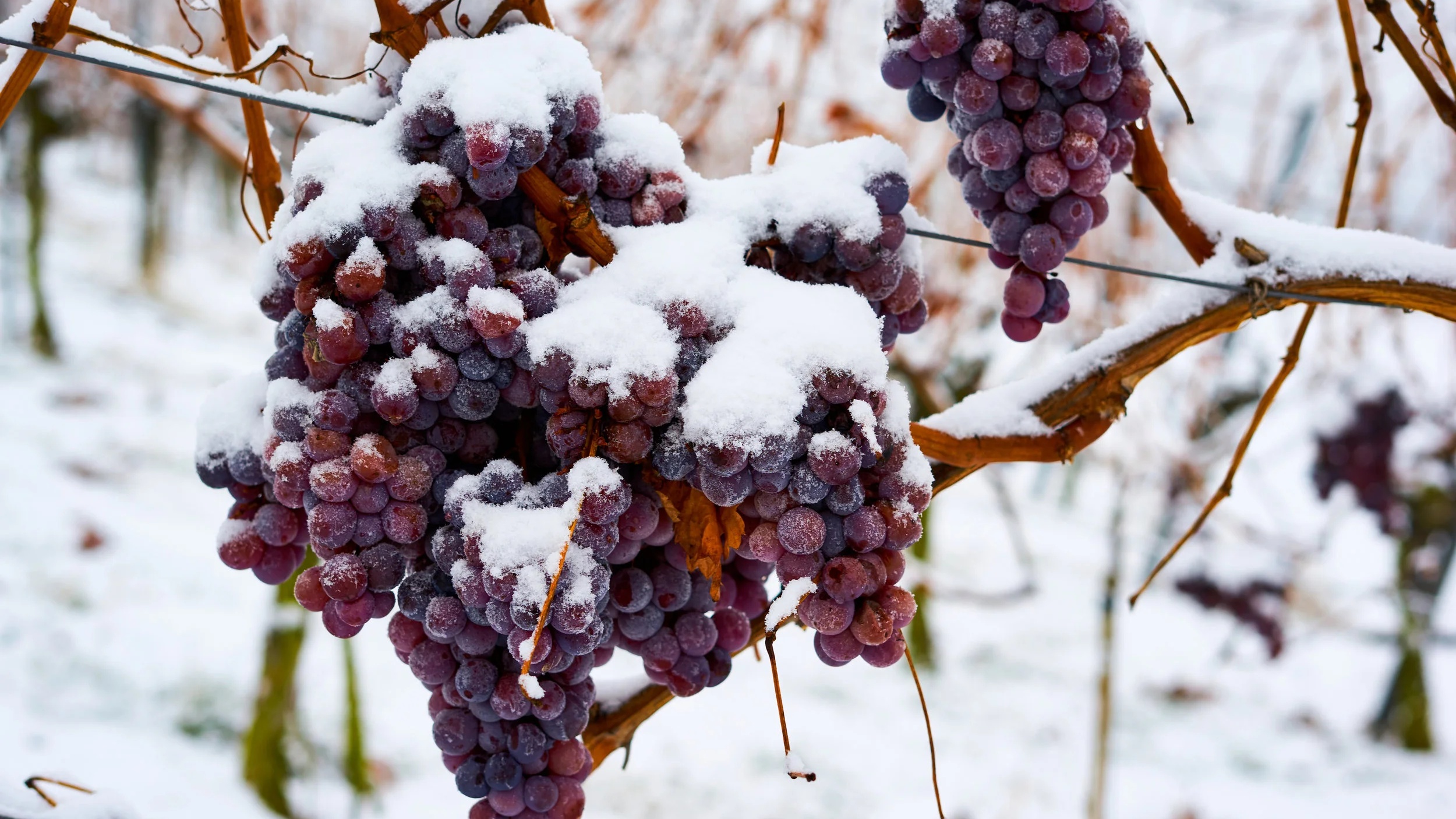
Ice Wine and Late Harvest: Nova Scotia's Sweet Wine Treasures
From frozen vines to golden drops, Nova Scotia’s ice wine and late harvests turn winter’s chill into pure sweetness—discover how the magic is made.
A Wine Lover's Day Trip from Halifax: The Ultimate Itinerary
Escape Halifax for a day of vineyard views, cellar tastings, and rolling Annapolis Valley charm—an easy getaway that feels worlds away.
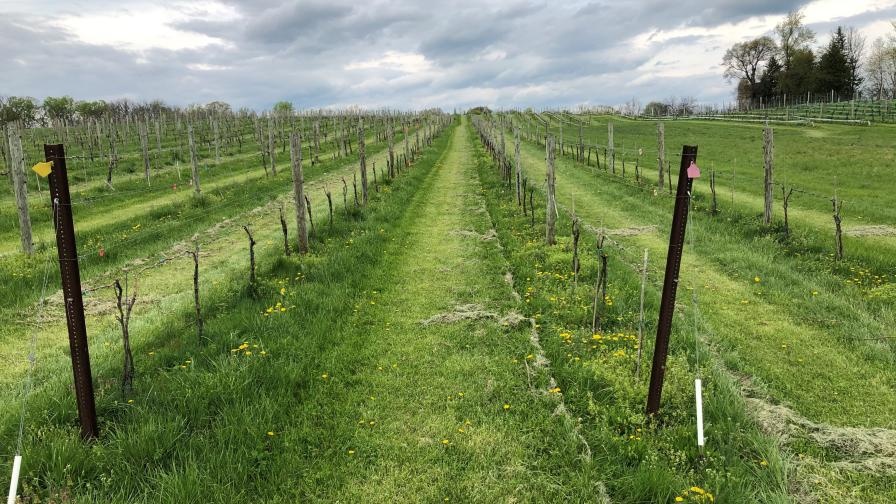
Sustainable Winemaking in Nova Scotia: Pioneers of Eco-Friendly Viticulture
From fog-kissed vineyards to forward-thinking wineries, Nova Scotia is redefining sustainable wine. See how eco-conscious growers craft exceptional bottles with a lighter footprint.