The Complete Guide to Nova Scotia Wine Varietals
From crisp L'Acadie Blanc to elegant Pinot Noir, Nova Scotia's cool-climate wines are as distinctive as the tides. Discover the grapes, styles, and secrets behind this maritime region.
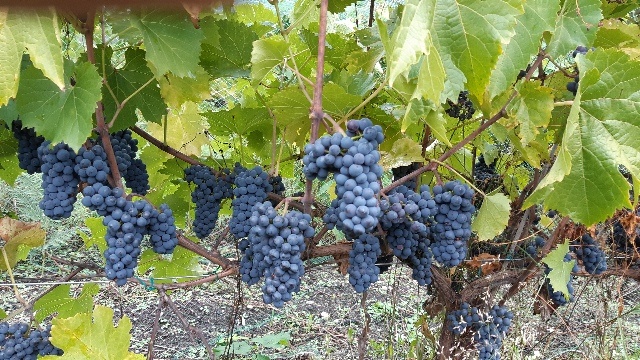
Welcome to Wine Country: Nova Scotia's Viticultural Story
There's something quietly remarkable happening along the shores of Nova Scotia. Tucked between the cold Atlantic and the world's highest tides, a wine region has been slowly, patiently, and confidently finding its voice. Nova Scotia isn't Napa. It isn't Burgundy. It's something entirely its own — a cool maritime wine region where the fog rolls in off the Bay of Fundy, where apple orchards and vineyards share the same glacial soils, and where winemakers have learned to work with nature rather than against it.
If you've ever sipped a glass of Tidal Bay on a summer evening in the Annapolis Valley and wondered what exactly you were tasting, or if you're planning a wine tour and want to know your L'Acadie Blanc from your Léon Millot, this guide is for you. We're going to take a deep dive into every major grape varietal grown in Nova Scotia, explain why each one matters, and point you toward the wineries where you can experience them at their very best.
Understanding Nova Scotia's Unique Terroir
Before we get into the grapes themselves, it helps to understand the landscape that shapes them. Nova Scotia's wine regions — primarily the Annapolis Valley, the South Shore, and the Bear River area — sit at roughly the same latitude as parts of Burgundy and Champagne. That sounds promising, but the climate here is decidedly cooler and more unpredictable than those French benchmarks. The growing season is short, frost can arrive early, and summer warmth is never guaranteed.
What Nova Scotia does have, though, is the moderating influence of the Bay of Fundy and the Atlantic Ocean. These large bodies of water act as thermal buffers, absorbing heat in summer and releasing it slowly through the fall, extending the ripening season just enough to bring grapes to maturity. The bay's extraordinary tidal range — the highest in the world at up to 16 metres in some locations — drives constant air circulation throughout the valley, reducing humidity and the fungal disease pressure that plagues many cool-climate regions. This tidal breathing, as some local winemakers poetically describe it, is a genuine and measurable influence on how grapes grow here.
The soils vary across the province but often include Annapolis Valley's fertile loam over sandstone and slate, as well as the granite-influenced soils of the South Shore. These well-drained, mineral-rich substrates contribute to the characteristic freshness and acidity that defines Nova Scotia wine.
Hybrid Grapes vs. Vinifera: Why Both Matter Here
One of the most important things to understand about Nova Scotia viticulture is the distinction between hybrid grapes and the classic European vinifera varieties. Hybrids were developed specifically to survive cold winters and resist disease, crossing Vitis vinifera with hardier North American species. In Nova Scotia, these hybrids aren't a compromise — they're often the stars of the show.
Vinifera varieties like Chardonnay, Riesling, and Pinot Noir are the grapes of Burgundy and Alsace, and they can be grown here, but they require careful site selection, diligent canopy management, and a willingness to accept vintage variation. When conditions align, they produce wines of genuine elegance. In tougher years, the hybrids often shine brighter and more consistently.
The hybrid versus vinifera debate that once divided the Nova Scotia wine community has largely given way to a more mature appreciation: this region needs both, and the best wineries treat their hybrid grapes with the same seriousness and craft they bring to their vinifera plantings. The result is a wine culture that's genuinely diverse and endlessly interesting.
The White Grapes of Nova Scotia
L'Acadie Blanc
If Nova Scotia has a signature grape, L'Acadie Blanc is the strongest candidate. Developed at Agriculture Canada's Kentville Research Station in the 1950s and released in the 1980s, this hybrid was literally bred for this province. It's a cross of Cascade and a Pinot Blanc hybrid, and it produces a grape that ripens reliably even in cool, short seasons while delivering wines of real character.
L'Acadie Blanc typically produces wines with bright acidity, green apple, lemon zest, and sometimes a lovely herbal or grassy note reminiscent of Sauvignon Blanc. In warmer vintages and with extended skin contact or barrel aging, it can develop more tropical fruit characters and a creamy texture. It also makes exceptional sparkling wine, forming the backbone of many of Nova Scotia's traditional method bubblies.
Gaspereau Vineyards in the Gaspereau Valley is one of the most respected producers of L'Acadie Blanc, crafting versions that showcase the grape's pure, mineral-driven character. Benjamin Bridge, the province's most celebrated sparkling wine producer, uses L'Acadie Blanc as a key component in their acclaimed Méthode Classique wines. Domaine de Grand Pré, one of the oldest and most storied wineries in the province, also produces excellent examples that demonstrate the grape's versatility across still, off-dry, and sparkling styles.
Tidal Bay: Nova Scotia's Appellation Wine
Tidal Bay deserves its own section even though it's technically a blend rather than a single varietal. Launched in 2012, Tidal Bay is Nova Scotia's first and only appellation-specific wine style, a set of standards that defines what a Nova Scotia white wine can and should taste like. Every Tidal Bay wine must be made entirely from Nova Scotia-grown grapes, must be low in alcohol (under 11%), must have measurable residual sugar balanced by firm acidity, and must pass a sensory panel evaluation.
The grapes that go into Tidal Bay vary by producer but typically include L'Acadie Blanc, Seyval Blanc, Vidal, New York Muscat, and sometimes Ortega or Riesling. The result is a wine style that is refreshing, food-friendly, and unmistakably local. Think crisp green apple, citrus blossom, sea spray, and a gentle sweetness that never feels cloying.
Producers across the province make their own interpretation of Tidal Bay, and tasting through them is one of the great pleasures of a Nova Scotia wine tour. Lightfoot and Wolfville, a certified organic winery in the Annapolis Valley, produces a Tidal Bay of exceptional purity and freshness. Blomidon Estate Winery and Luckett Vineyards also produce highly regarded versions that sell out quickly each vintage.
Seyval Blanc
Seyval Blanc is a French-American hybrid that has found a comfortable home in Nova Scotia's cool climate. Developed in France in the early twentieth century, it's a reliable producer with good disease resistance and the ability to retain acidity even as sugar levels rise — a crucial trait in a region where achieving full phenolic ripeness can be challenging.
Nova Scotia Seyval Blanc tends to be crisp and dry with flavors of grapefruit, green apple, and sometimes a flinty, almost Chablis-like mineral quality. It's not a showy grape, but it's honest and food-friendly. Winemakers who take it seriously, giving it careful vineyard management and thoughtful winemaking, can coax genuine complexity from it. Avondale Sky Winery, located in a converted church in Newport Landing, has produced some compelling Seyval Blanc that showcases just how much personality this underestimated variety can offer.
Vidal
Vidal is perhaps best known internationally as the workhorse of Canadian icewine, and Nova Scotia producers do make beautiful late-harvest and icewine-style Vidal in exceptional years. But the grape is also used in dry and off-dry table wine production, where its thick skin, high acidity, and tropical fruit character contribute real interest.
As a table wine, Nova Scotia Vidal often shows notes of peach, apricot, and citrus peel, with that characteristic firm backbone of acidity that keeps everything lively. Jost Vineyards, one of the largest and longest-established wineries in the province, has been producing Vidal in various styles for decades and offers a useful introduction to what the grape can do in this climate.
New York Muscat
New York Muscat brings something genuinely exotic to the Nova Scotia lineup. A hybrid developed at Cornell University, it carries the unmistakable aromatic signature of the Muscat family — rose petal, orange blossom, lychee, and spice — in a package that can survive cold Nova Scotia winters. It's used both as a varietal wine and as a blending component in Tidal Bay, where it contributes aromatic lift and floral complexity.
As a varietal, New York Muscat is often made in a slightly off-dry style that lets its perfumed character shine without becoming overwhelming. It's a wonderful aperitif wine and pairs beautifully with spiced dishes, soft cheeses, and fruit-forward desserts. Gaspereau Vineyards has long championed this unusual variety and produces one of the most charming examples in the province.
Ortega
Ortega is a German-bred cross of Müller-Thurgau and Siegerrebe, and while it's not widely planted in Nova Scotia, it's worth seeking out. It ripens very early, making it useful in marginal sites and difficult vintages, and it produces wines with an appealing stone fruit and floral character that sits somewhere between Riesling and Gewurztraminer in style.
Riesling
Riesling is the great cool-climate vinifera white grape, and Nova Scotia's best examples demonstrate why this variety has such devoted followers worldwide. Growing Riesling here requires patience and careful site selection — it needs well-drained slopes with good sun exposure and the thermal moderation that proximity to the bay provides.
When it works, Nova Scotia Riesling is stunning: piercing acidity, lime and green apple fruit, a distinctive petrol note in older wines, and a mineral backbone that speaks directly to the province's slate and sandstone soils. Benjamin Bridge produces a Riesling from the steep slopes of the Gaspereau Valley that has earned serious attention from wine writers and collectors. Blomidon Estate, with its prime Annapolis Valley location, also crafts Riesling of notable precision and age-worthiness.
Chardonnay
Chardonnay is the world's most widely planted white grape, and its presence in Nova Scotia is a testament to how far the province's viticulture has come. It's not an easy grape to ripen here — it buds early and is susceptible to spring frost, and it needs a warm growing season to reach its potential. But when everything aligns, Nova Scotia Chardonnay can be genuinely special.
Expect leaner, more restrained expressions than you'd find in California or even Burgundy on a warm year — think green apple, lemon curd, and chalky minerality rather than big tropical fruit. Winemakers who use careful oak integration or lees aging can add texture and complexity without obscuring the grape's natural freshness. Lightfoot and Wolfville has produced some of the most talked-about Nova Scotia Chardonnay in recent years, with their organic farming approach contributing to wines of impressive focus and character.
The Red Grapes of Nova Scotia
Marquette
Marquette is one of the most exciting developments in cool-climate viticulture in recent years, and Nova Scotia winemakers have embraced it with genuine enthusiasm. Developed at the University of Minnesota and released in 2006, Marquette is a cold-hardy hybrid with a complex lineage that includes Pinot Noir among its ancestors. It ripens early, survives brutal winters, and produces wines with real red fruit character, firm tannins, and enough structure to age.
Nova Scotia Marquette typically shows black cherry, plum, and dark berry fruit with notes of black pepper, tobacco, and sometimes a lovely earthy quality that recalls Pinot Noir. The tannins are present but not harsh, and the acidity keeps the wine lively and food-friendly. This is a grape that has given Nova Scotia winemakers genuine confidence that serious red wine is possible here.
Avondale Sky has been particularly impressive with Marquette, producing versions that demonstrate real winemaking ambition. Lightfoot and Wolfville also makes a notable Marquette that benefits from their meticulous organic farming approach.
Maréchal Foch
Maréchal Foch has been growing in Nova Scotia longer than almost any other red variety, and it remains one of the most important grapes in the provincial lineup. An Alsatian hybrid developed in the early twentieth century, Foch is deeply pigmented, early ripening, and capable of producing wines of surprising depth and complexity.
Nova Scotia Foch often shows dark fruit — blackberry, black plum — along with earthy, almost barnyard notes, dark chocolate, and sometimes a smoky quality. It can be made in a range of styles from light and fruity to full-bodied and structured, and some producers age it in oak to add further complexity. Grand Pré has been making Foch for decades and produces a benchmark version that showcases the grape's serious side. Jost Vineyards also offers a reliable and well-priced Foch that serves as a good introduction to the variety.
Léon Millot
Léon Millot is Maréchal Foch's sibling — literally, as both were bred by the same Alsatian hybridizer, Eugène Kuhlmann. It shares Foch's early ripening and cold hardiness but tends to produce wines that are a little lighter in body and more immediately approachable. The flavor profile leans toward red fruit — raspberry, red cherry — with floral notes and a characteristic earthiness.
Léon Millot is often used in blends to add freshness and aromatic lift to the deeper, more structured Foch, but it also makes an appealing varietal wine in its own right. It's a grape that rewards those who seek it out, offering a genuine taste of Nova Scotia's hybrid red wine tradition.
Lucie Kuhlmann
Named for the daughter of the same Eugène Kuhlmann who gave us Foch and Léon Millot, Lucie Kuhlmann is less commonly encountered but worth knowing. It tends to produce medium-bodied wines with red and dark fruit character, moderate tannins, and good acidity. Like its relatives, it's valued for its cold hardiness and reliable ripening, and it often plays a supporting role in red blends. Some producers highlight it as a varietal, and these wines offer an interesting window into the range of what Nova Scotia hybrid reds can offer.
Pinot Noir
Pinot Noir is the holy grail of cool-climate red wine, and its presence in Nova Scotia is both challenging and thrilling. This notoriously difficult grape demands everything from its growers — perfect site selection, meticulous canopy management, careful yield control, and a willingness to accept that some vintages simply won't deliver the goods. When it does work, though, the results can be genuinely moving.
Nova Scotia Pinot Noir at its best shows the elegance and transparency that makes this variety so beloved worldwide: red cherry, wild strawberry, dried herbs, and a silky texture with firm but fine tannins. The province's cool climate and maritime influence tend to produce Pinot Noir that is more Burgundian in style than New World — restrained, mineral-driven, and built for the dinner table rather than the trophy cabinet.
Benjamin Bridge has produced Pinot Noir that has attracted serious critical attention, and their vineyard work in the Gaspereau Valley demonstrates what's possible with the right combination of site, clone selection, and winemaking philosophy. Lightfoot and Wolfville's organic Pinot Noir is another benchmark, showing how careful farming translates directly into wine quality.
The Bay of Fundy Effect: Terroir in Motion
It would be impossible to write about Nova Scotia wine without returning to the Bay of Fundy and its extraordinary influence on the region's terroir. The bay's tidal range — regularly reaching 12 to 16 metres at its upper reaches — drives a constant exchange of air masses throughout the Annapolis Valley. As the tide rises and falls twice daily, it acts like a giant bellows, pushing warm air into the valley during the day and drawing cooler air off the water at night.
This diurnal temperature variation — warm days and cool nights — is one of the most important factors in producing wines with both ripe fruit character and the fresh acidity that defines Nova Scotia's style. The tides also contribute to the relatively low humidity in the valley, reducing the risk of botrytis and other fungal diseases that can devastate vineyards in wetter climates.
The bay's influence extends to the soils as well. The ancient tidal flats of the Minas Basin and the Annapolis Valley have left behind mineral-rich sediments that contribute to the characteristic salinity and stony minerality found in many Nova Scotia wines — that quality that wine lovers sometimes describe as tasting like the sea.
Emerging Varietals to Watch
Nova Scotia's wine community is never standing still, and several emerging varietals are attracting growing attention. Frontenac Gris, a cold-hardy hybrid developed in Minnesota, is being trialed by several producers for its ability to produce interesting off-dry whites and rosés with stone fruit and citrus character.
Enjoy this article?
Get more wine stories and guides delivered to your inbox.
More Articles You Might Enjoy
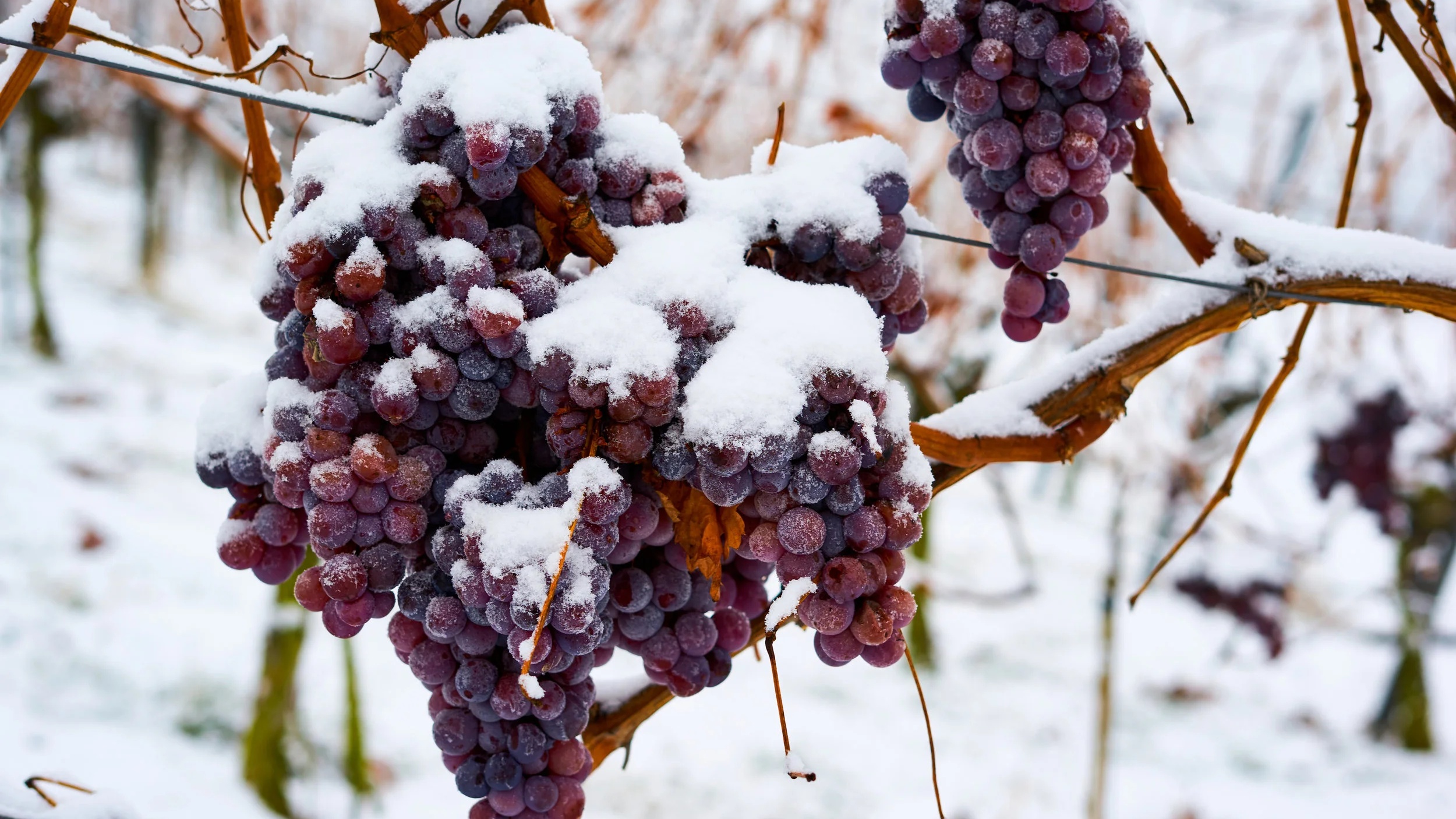
Ice Wine and Late Harvest: Nova Scotia's Sweet Wine Treasures
From frozen vines to golden drops, Nova Scotia’s ice wine and late harvests turn winter’s chill into pure sweetness—discover how the magic is made.

A Wine Lover's Day Trip from Halifax: The Ultimate Itinerary
Escape Halifax for a day of vineyard views, cellar tastings, and rolling Annapolis Valley charm—an easy getaway that feels worlds away.
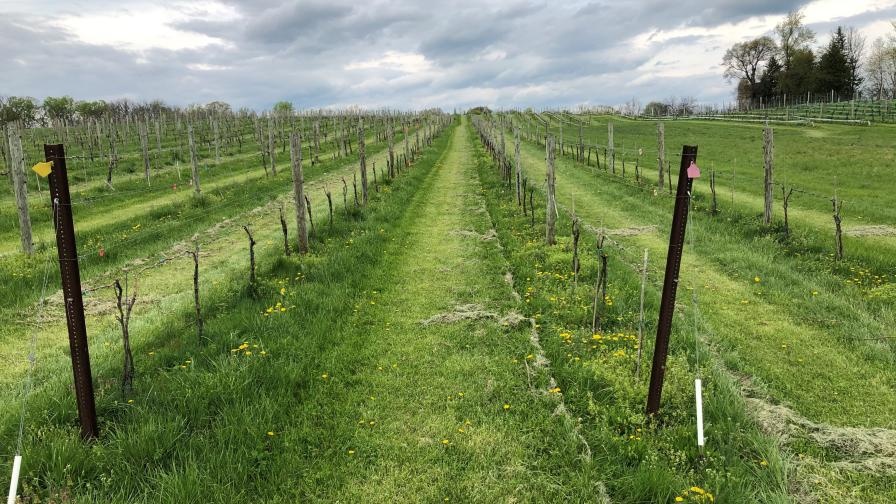
Sustainable Winemaking in Nova Scotia: Pioneers of Eco-Friendly Viticulture
From fog-kissed vineyards to forward-thinking wineries, Nova Scotia is redefining sustainable wine. See how eco-conscious growers craft exceptional bottles with a lighter footprint.