Nova Scotia Wine and Food Pairing: A Local's Guide
From Digby scallops to blueberry desserts, Nova Scotia wines shine with local flavors—discover the pairings that make every bite and sip sing.
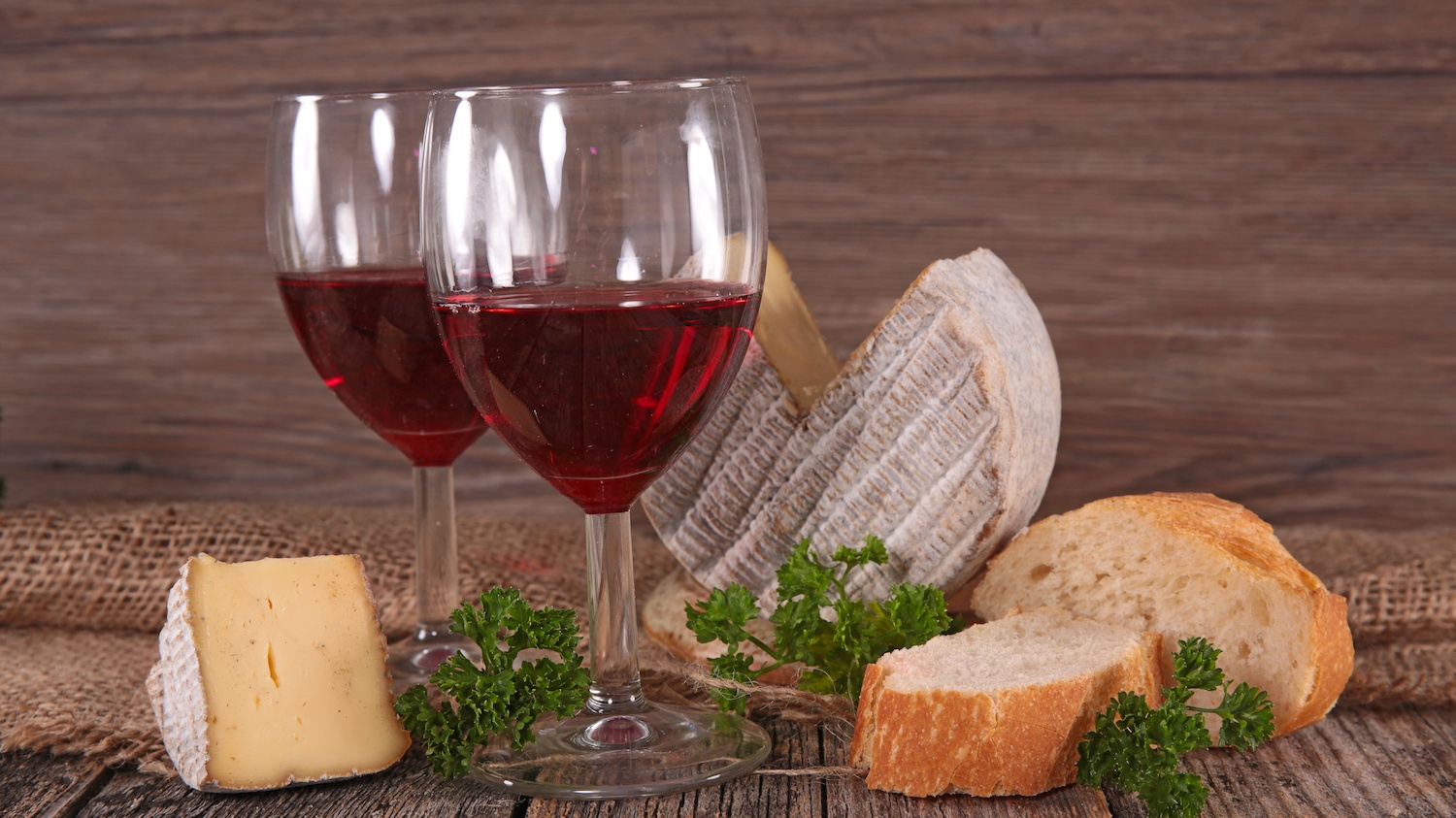
Why Nova Scotia Wine and Food Belong Together
There's something deeply satisfying about sitting down to a plate of freshly shucked Digby scallops with a glass of Nova Scotia sparkling wine in hand, knowing that both the shellfish and the grapes were grown within a few hours of each other. That sense of place — what the French call terroir — is exactly what makes pairing Nova Scotia wines with local food so rewarding. This isn't about following rigid rules or impressing anyone at a dinner party. It's about understanding why certain combinations just work, and why the flavors of this province seem almost engineered by nature to complement one another.
Nova Scotia sits at the northeastern edge of North America's wine-growing regions, shaped by the Bay of Fundy tides, the cool Atlantic air, and soils that range from slate and granite in the Annapolis Valley to the red sandstone of the Northumberland Shore. These conditions produce wines with a signature freshness, lively acidity, and mineral backbone that make them extraordinary food wines. They're not the big, heavy, fruit-forward bottles you might open on their own. They're wines that want food, and more specifically, they want the food that grows and swims and grazes right here in Nova Scotia.
Sparkling Wine and the Fruits of the Sea
Digby Scallops and Benjamin Bridge
If you've never tried a Digby scallop, you're missing one of the true treasures of Maritime cuisine. These scallops are harvested from the cold, clean waters of the Bay of Fundy and have a sweetness and delicacy that sets them apart from anything you'll find at a grocery store in Toronto or Boston. Pan-seared with a little butter and lemon, they are perfection. And the wine that belongs in the glass beside them is Nova Scotia sparkling wine, full stop.
Benjamin Bridge in Wolfville has built an international reputation on exactly this kind of pairing. Their Nova 7, a slightly effervescent, off-dry wine made primarily from Muscat and a blend of other aromatic varieties, has a honeyed floral quality that plays beautifully against the natural sweetness of a scallop. But it's their Brut and Brut Reserve méthode traditionnelle sparkling wines that really shine in a more serious pairing context. Made from Chardonnay, Pinot Noir, and L'Acadie Blanc, these wines carry the same toasty, yeasty complexity you'd expect from good Champagne, but with a cooler, more mineral edge that mirrors the ocean environment the scallops come from. The high natural acidity cuts through butter sauces and cream-based preparations, and the fine bubbles seem to lift the delicate texture of the scallop rather than overwhelm it.
Fresh Oysters and L'Acadie Vineyards
Oysters are another matter entirely. Nova Scotia produces exceptional oysters from the Northumberland Strait and from various inlets along the South Shore, and they call for something crisper and more austere. L'Acadie Vineyards in Gaspereau Valley specializes in the L'Acadie Blanc grape, a cold-hardy hybrid that produces wines with a bright citrus character, grassy freshness, and a pronounced mineral quality that is almost saline on the finish. Poured over a freshly shucked oyster, it's one of those combinations that makes you understand why people become obsessed with wine pairing in the first place. The wine amplifies the brininess of the oyster while the oyster draws out a creaminess in the wine you might not have noticed otherwise.
White Wines and the Annapolis Valley Table
Apple Dishes and Aromatic Whites
The Annapolis Valley has been apple country for centuries, and that heritage shows up in the kitchen in wonderful ways. Apple cider reductions on pork, apple butter spread on fresh bread, baked apple desserts with ginger and brown sugar — these are the flavors of the valley in autumn, and they pair with a particular style of Nova Scotia white wine that you might not immediately expect.
Lightfoot and Wolfville, one of the province's most thoughtful producers, makes a Tidal Bay — Nova Scotia's appellation wine — that captures the essence of this landscape. Tidal Bay is a designation unique to Nova Scotia, requiring wines to be made from grapes grown in the province and to meet specific standards of freshness and acidity. Lightfoot and Wolfville's version tends toward green apple, white flower, and a chalky minerality that ties it directly to the valley's limestone and slate soils. Paired with a savory apple and pork dish or a sharp cheddar and apple chutney board, the wine finds echoes of itself in the food and the whole experience becomes more than the sum of its parts.
Lunenburg Sausage and Richer Whites
Lunenburg sausage is a deeply local product with a history rooted in the German immigrant communities that settled the South Shore in the 18th century. It's a smoked, spiced sausage with a bold, savory character, and it needs a wine with enough body and flavor to stand up to it. A Tidal Bay won't quite cut it here. Instead, reach for something with a bit more weight — an unoaked or lightly oaked Chardonnay, or a Pinot Gris with some texture.
Luckett Vineyards in Wolfville produces a Pinot Gris that has the kind of gentle spice and stone fruit character that works well with cured and smoked meats. The wine has enough richness to match the fat in the sausage while its acidity keeps things from feeling heavy. Luckett is also one of the most visitor-friendly wineries in the province, with a red British phone booth in their vineyard that you can use to call anywhere in the world — a small detail that tells you something about the warmth and playfulness of the Nova Scotia wine scene in general.
Red Wines, Smoked Fish, and Acadian Cuisine
Smoked Fish and Light Reds
Smoked fish is a cornerstone of Nova Scotia's food culture. Whether it's smoked salmon from a Lunenburg smokehouse, smoked mackerel from a Cape Breton fishery, or finnan haddie — smoked haddock — prepared in the traditional Nova Scotian way with cream and onions, these are deeply flavored, complex dishes that need a wine with some presence.
This is where Nova Scotia's emerging red wine program becomes interesting. The province is not classically red wine country, but producers are making impressive progress with Pinot Noir and Lucie Kuhlmann, a cold-hardy red variety that produces wines with a rustic, earthy character. Avondale Sky Winery in Newport Landing makes a Lucie Kuhlmann that has a smoky, forest-floor quality to it that echoes the smokehouse character of cured fish in a genuinely compelling way. It's not a polished, fruit-forward red, but that's precisely the point. It's a wine with edges and character, and it belongs on a table with food that has the same qualities.
Acadian cuisine — the food of Nova Scotia's French-speaking communities, particularly around Clare and Chéticamp — offers another pairing opportunity that doesn't get nearly enough attention. Rappie pie, a traditional Acadian dish made from grated potatoes and chicken or clams, is hearty and deeply savory. Fricot, a thick Acadian stew, is warming and rich. These dishes want a wine with rustic charm and good acidity, and a light-bodied Nova Scotia red or a more structured Tidal Bay can bridge that gap beautifully.
Cheese, Farmers' Markets, and the Farm-to-Table Spirit
Fox Hill and That Dutchman's Farm
Nova Scotia produces some genuinely exceptional artisan cheese, and two names come up again and again among locals who take their dairy seriously. Fox Hill Cheese House in Port Williams, right in the heart of the Annapolis Valley, makes a range of fresh and aged cheeses using milk from their own herd of Jersey cows. Their aged cheddar has a sharpness and depth that pairs wonderfully with a richer, barrel-aged white from a producer like Gaspereau Vineyards, whose Tidal Bay and Vitis Vinifera whites carry enough structure to stand alongside bold cheese flavors.
That Dutchman's Farm in Upper Economy, overlooking the Bay of Fundy, produces award-winning Gouda in a range of ages and styles. Their smoked Gouda is particularly extraordinary, and with a glass of Benjamin Bridge's Nova 7 — that slightly sweet, aromatic sparkler — you get a combination that is simultaneously unexpected and completely logical. The sweetness of the wine plays against the smokiness of the cheese, and the acidity keeps the whole thing feeling light and alive.
Farmers' Markets and Seasonal Pairings
The farm-to-table movement in Nova Scotia isn't a trend or a marketing strategy — it's simply how people here have always eaten, and the wine scene has grown up alongside it in a way that feels genuinely organic. The Halifax Seaport Farmers' Market, the Wolfville Farmers' Market, and dozens of smaller markets across the province are where local producers, chefs, and winemakers cross paths and where ideas about pairing often begin.
In summer, the Valley is full of fresh strawberries, early corn, and new potatoes that call for the lightest, most delicate wines in the cellar. By October, it's squash and root vegetables and the last of the apple harvest, and the wines shift accordingly toward something with more weight and warmth. This seasonal responsiveness is something Nova Scotia winemakers talk about constantly, and it's one of the reasons that visiting the province's wine regions during different times of year always feels like a new experience.
Blueberry Desserts and the Sweet Finish
Nova Scotia wild blueberries are a point of serious local pride. Smaller, more intensely flavored than cultivated varieties, they grow across the province's barrens and are harvested every summer in quantities that supply bakeries, jam makers, and home cooks throughout the region. Blueberry grunt — a traditional Maritime dessert of blueberries cooked with sweet dumplings — blueberry pie, blueberry buckle, blueberry jam on fresh biscuits: these are the desserts of Nova Scotia summers, and they deserve a thoughtful wine pairing.
Benjamin Bridge's Nova 7 is the easy answer here, and it's an easy answer for good reason. The wine's gentle sweetness, aromatic character, and low alcohol make it an ideal dessert companion without overwhelming the delicate fruit. For something a little more adventurous, look for a local fruit wine made from blueberries themselves — several Nova Scotia producers make them, and a well-made blueberry wine alongside a blueberry dessert creates a harmonious, if unconventional, pairing that celebrates the ingredient from two different angles.
The Bigger Picture: A Wine Scene Built on Place
What makes Nova Scotia wine and food pairing so compelling is that it's not about replicating something from Burgundy or Napa. The wineries here — Benjamin Bridge, Lightfoot and Wolfville, L'Acadie Vineyards, Luckett, Avondale Sky, Gaspereau Vineyards, Domaine de Grand Pré, and others — are making wines that are genuinely of this place. They carry the cold ocean air in their acidity, the valley soils in their minerality, and the short, intense growing season in their focused, precise flavors.
The chefs and food producers of Nova Scotia are working from the same raw materials and the same sense of place. When you sit down to a meal that brings these two worlds together — a plate of Maritime lobster with drawn butter alongside a glass of Lightfoot and Wolfville Tidal Bay, or a board of Fox Hill cheese with a Gaspereau Valley white — you're experiencing something that couldn't happen anywhere else. That's the real gift of Nova Scotia wine and food, and it's why once you've tasted it, you keep finding reasons to come back.
Enjoy this article?
Get more wine stories and guides delivered to your inbox.
More Articles You Might Enjoy
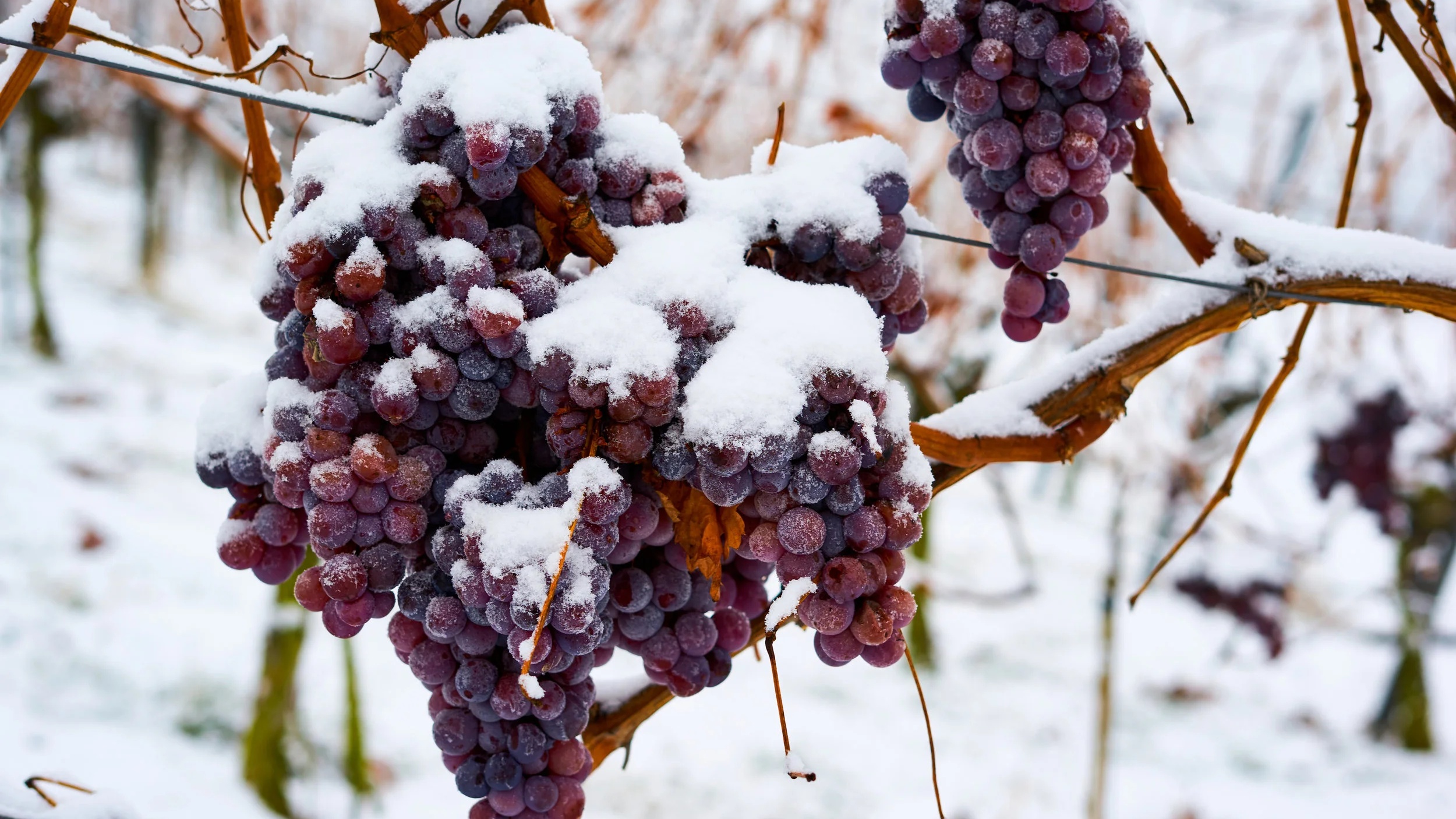
Ice Wine and Late Harvest: Nova Scotia's Sweet Wine Treasures
From frozen vines to golden drops, Nova Scotia’s ice wine and late harvests turn winter’s chill into pure sweetness—discover how the magic is made.

A Wine Lover's Day Trip from Halifax: The Ultimate Itinerary
Escape Halifax for a day of vineyard views, cellar tastings, and rolling Annapolis Valley charm—an easy getaway that feels worlds away.
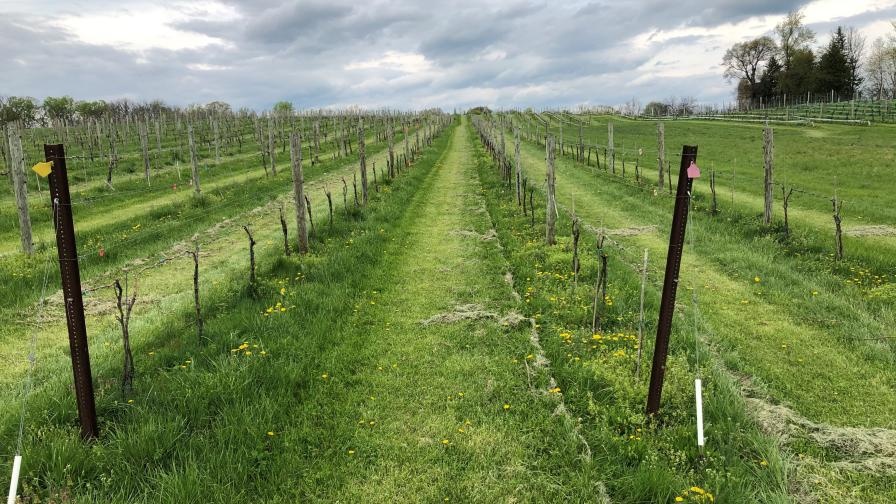
Sustainable Winemaking in Nova Scotia: Pioneers of Eco-Friendly Viticulture
From fog-kissed vineyards to forward-thinking wineries, Nova Scotia is redefining sustainable wine. See how eco-conscious growers craft exceptional bottles with a lighter footprint.