Planning Your First Nova Scotia Winery Visit: Everything You Need to Know
Discover why Nova Scotia’s Annapolis Valley is a must for wine lovers, and get the insider tips you need to plan your first unforgettable winery visit.
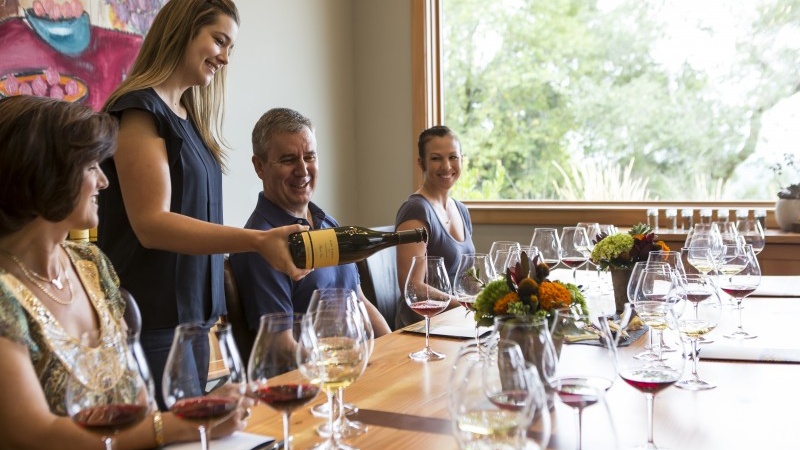
Why Nova Scotia Wine Country Deserves a Spot on Your Travel List
There's something quietly magical about the Annapolis Valley. The same glacial soils and cool maritime climate that make this corner of Nova Scotia such a remarkable agricultural region also happen to produce some of the most distinctive wines in Canada. If you've been curious about exploring the province's wine scene but aren't sure where to start, you're in the right place. This guide will walk you through everything you need to know before your first visit, from choosing the right season to navigating tasting rooms with confidence.
Nova Scotia's wine country is concentrated primarily along the Annapolis Valley, with the area around Wolfville, Grand Pré, and the Gaspereau Valley forming the heart of the scene. Wineries like Benjamin Bridge, Domaine de Grand Pré, Lightfoot and Wolfville, and Luckett Vineyards have earned international attention for their sparkling wines and cool-climate varietals, and a weekend spent exploring them is genuinely one of the best experiences Atlantic Canada has to offer.
Choosing the Best Time to Visit
Spring: Blossoms and Quiet Roads
May in the Annapolis Valley is breathtaking. The apple orchards bloom alongside the vineyards, and the whole region takes on a soft, fragrant quality that's hard to describe until you've experienced it. Visiting in spring means fewer crowds, more relaxed tasting room staff, and a chance to see the vines just beginning to wake up for the season. Some wineries host blossom-season events, and the roads between properties are genuinely peaceful. The downside is that a few smaller operations run reduced hours in spring, so checking ahead before you go is essential.
Summer: The Peak Season Experience
July and August bring the full summer rush, and for good reason. The valley is lush and green, the patios are open, and many wineries offer live music, food pairings, and special events throughout the season. Domaine de Grand Pré runs its acclaimed Le Caveau restaurant through the summer, and Luckett Vineyards with its iconic red phone booth and sweeping vineyard views draws visitors from across the country. Expect tasting rooms to be busy on weekends, and absolutely book ahead for any restaurant reservations or special experiences. Summer is the most social, vibrant time to visit, but it requires a bit more planning.
Harvest Season: The Wine Lover's Sweet Spot
September and October are, in the opinion of many regulars, the single best time to visit Nova Scotia wine country. The harvest is underway, the light is golden and cinematic, and there's an infectious energy at the wineries as the winemaking teams work through the crush. You might catch the scent of fermenting juice drifting across the property, or see bins of freshly picked L'Acadie Blanc or Tidal Bay grapes being sorted. The annual Devour! The Food Film Fest takes place in Wolfville in late October and pairs beautifully with wine country exploration. Temperatures are cooler but usually comfortable, and the fall foliage in the valley is genuinely spectacular.
Winter: Festivals and Intimate Tastings
Don't overlook winter. The annual Annapolis Valley Wine Festival and various holiday events bring a cozy, intimate atmosphere to the region. Tasting rooms are quieter, staff have more time to talk through what's in your glass, and you often get a more personal experience. Some smaller producers are only open by appointment in winter, but the ones that are open tend to offer a warmth and hospitality that's harder to find in the summer rush.
Planning Your Trip: Day Trip vs. Weekend Getaway
Making the Most of a Day Trip
If you're coming from Halifax, you're looking at roughly a 90-minute drive to the heart of wine country near Wolfville. A well-planned day trip can realistically include visits to three or four wineries, a proper lunch, and some time to explore the town of Wolfville itself. The key is not to be too ambitious. Trying to hit six wineries in a single day leaves you rushed, tired, and not actually enjoying any of them. Pick two or three that genuinely interest you, allow time to linger, and treat it as a leisurely exploration rather than a checklist exercise.
A good day trip itinerary might start at Lightfoot and Wolfville for their estate wines and beautiful property, move to Benjamin Bridge for their exceptional sparkling wines and méthode classique program, and finish at Luckett Vineyards for the views and their fun, approachable atmosphere. That's a full and satisfying day without feeling frantic.
The Weekend Getaway
A weekend gives you room to breathe and explore properly. You can visit the Gaspereau Valley wineries like Gaspereau Vineyards on one day, spend the other exploring Grand Pré and the properties clustered around Wolfville, take a morning walk through the UNESCO-designated Grand Pré National Historic Site, and eat exceptionally well at local restaurants in the evenings. A weekend also lets you attend any special events or tastings that require advance booking, which are often the most memorable parts of a wine country visit.
Getting Around: Transportation Options
This is honestly one of the most important practical considerations for a Nova Scotia winery visit. The wineries are spread across rural roads, and you will want to taste wine, which means driving yourself around the valley after a day of tastings is not a responsible or sensible option.
The most popular solution is booking a guided wine tour from Halifax or from within the valley. Several operators run excellent half-day and full-day tours that handle all the logistics, including transportation between properties and often some food along the way. Avondale Sky Winery, a fascinating operation in an old church north of Windsor, is sometimes included in these tours and is worth seeking out specifically.
Another popular approach is the designated driver arrangement, which works well for groups where one person volunteers to abstain from tasting and everyone else pitches in for gas and a nice dinner. If you're staying in Wolfville, you can actually walk to a couple of nearby wineries or rent bicycles, which is a genuinely lovely way to spend a sunny afternoon. There are also taxi and rideshare options, though availability can be limited in rural areas, so don't rely on them without confirming in advance.
What to Expect at a Nova Scotia Tasting Room
Tasting rooms in Nova Scotia tend to be warm, unpretentious, and staffed by people who genuinely love what they're pouring. You won't encounter the intimidating formality of some European wine regions. Most wineries charge a tasting fee, typically in the range of ten to twenty dollars per person, which usually covers a flight of four to six wines and is sometimes credited toward a purchase.
You'll typically be guided through the wines in a particular order, usually starting with lighter whites and sparkling wines and moving toward reds or sweeter styles. The staff will describe each wine, talk about the vintage, and often share something about the winemaking philosophy behind it. Don't be afraid to ask questions, even basic ones. Winery staff love talking about their craft, and there are genuinely no silly questions in a tasting room.
Nova Scotia has developed a regional wine appellation called Tidal Bay, which is a dry, aromatic white wine style unique to the province. If you see a Tidal Bay on the tasting menu, try it. It's a wonderful expression of the local terroir and a great starting point for understanding what makes Nova Scotia wines distinctive. The primary grape varieties you'll encounter include L'Acadie Blanc, Seyval Blanc, Vidal, Muscat, and increasingly, Chardonnay and Pinot Noir as the winemakers push the boundaries of what the climate can support.
Tasting Etiquette Tips
You don't need to be a wine expert to visit a tasting room, but a few simple courtesies make the experience better for everyone. Use the dump bucket without embarrassment if a wine isn't to your taste or you want to pace yourself. Don't wear heavy perfume or cologne, as it genuinely interferes with your ability to smell the wines and can affect other guests' experiences as well. Sip water between wines to cleanse your palate. And if you loved a wine, buy a bottle. These are often small, family-run operations, and your purchase makes a real difference to the people who made what you're drinking.
Booking ahead for popular wineries is increasingly important, particularly Benjamin Bridge, which has limited tasting room capacity and high demand. Showing up without a reservation on a summer Saturday is a gamble that often doesn't pay off.
Typical Costs to Budget For
A realistic budget for a day of wine tourism in Nova Scotia should account for tasting fees at two or three wineries, which might run thirty to fifty dollars per person in total. Add a proper lunch at somewhere like Le Caveau at Domaine de Grand Pré, which is a prix fixe experience worth every dollar, and you're looking at another fifty to eighty dollars per person. Wine purchases are obviously variable, but budgeting a hundred dollars for bottles to bring home is reasonable if you're the type to fall in love with what you're tasting.
A weekend getaway including accommodation, meals, tastings, and wine purchases typically runs between three hundred and six hundred dollars per person depending on your accommodation choices and how freely you're spending in the tasting rooms. It's genuinely good value for the quality of the experience.
Where to Stay in Nova Scotia Wine Country
Wolfville and Grand Pré
Wolfville is the natural base for a wine country visit. It's a charming university town with excellent restaurants, independent shops, and a walkable downtown. The Tattingstone Inn is a beautiful heritage property with lovely grounds and the kind of gracious hospitality that makes you feel immediately at home. Blomidon Inn is another well-regarded option, a Victorian mansion with a strong wine list and a reputation for excellent dinners.
For a more boutique experience, there are several well-reviewed bed and breakfasts in the area around Grand Pré and Canning that put you right in the middle of wine country. Staying in a B&B in the valley rather than in town gives you the experience of waking up surrounded by vineyards and orchards, which is genuinely special.
Kentville and the Broader Valley
Kentville, a short drive from Wolfville, has more standard hotel options if you're traveling with a group or prefer familiar chain accommodations. It's less atmospheric than staying in Wolfville itself, but it works well as a practical base, particularly if you're planning to explore the broader valley including wineries further afield like Avondale Sky or L'Acadie Vineyards.
Dining Near Nova Scotia Wine Country
The food scene in the Annapolis Valley has grown dramatically alongside the wine industry, and the two complement each other beautifully. Le Caveau at Domaine de Grand Pré is the flagship dining experience, offering a seasonal menu that changes to reflect local ingredients and pairs thoughtfully with the estate's wines. Reservations are essential and should be made well in advance, particularly for weekends.
In Wolfville itself, the Wooden Monkey offers locally sourced comfort food in a relaxed setting. The Library Pub is a good option for something more casual after a day of tastings. Planters Ridge Winery has a food program worth checking into, and several of the larger wineries now offer charcuterie boards and small plates to accompany their tastings, which is a welcome development for pacing yourself through a full day.
What to Wear and Practical Packing Tips
Nova Scotia weather is famously variable, and wine country is no exception. Even on a warm summer day, a light jacket is worth bringing, particularly if you're visiting properties with outdoor patios or planning to walk through the vineyards. In fall, dress in layers and assume it might rain at some point. Comfortable walking shoes are essential because many wineries have gravel paths, uneven ground, and vineyard areas you'll want to explore.
Bring a cooler in your car. This is one of the most genuinely useful pieces of advice for any wine country visit. When you buy bottles throughout the day, especially in summer, keeping them out of a hot car protects your investment and ensures the wine arrives home in good condition. A simple soft-sided cooler with a few ice packs takes up minimal space and makes a real difference.
Buying Wine On-Site vs. Shipping
Buying wine directly at the winery is almost always the best way to access limited releases, library wines, and bottles that never make it to retail shelves. Many of the most interesting Nova Scotia wines are produced in small quantities and are simply not available anywhere else. If you taste something extraordinary, buy it on the spot rather than assuming you'll find it later.
Shipping wine within Canada is possible but involves navigating provincial regulations that vary significantly. Nova Scotia wineries can often ship within the province relatively easily, but shipping to other provinces involves working through the Nova Scotia Liquor Corporation or specific interprovincial programs. Ask the winery staff about their current shipping options, as the rules do change. For most visitors, the practical answer is to bring a cooler, buy what you love, and transport it home yourself.
Tips for Making the Most of Your Visit
Go in with an open mind about grape varieties you might not recognize. Nova Scotia's cool climate means the wines are built around hybrid varieties and cool-climate grapes that aren't always familiar to people whose wine experience has been primarily with Cabernet Sauvignon or Pinot Grigio. Approach the L'Acadie Blanc and the Tidal Bay wines with genuine curiosity and you'll likely be pleasantly surprised.
Talk to the winemakers when you get the chance. Many of Nova Scotia's wine operations are small enough that the person pouring your tasting might be the same person who made the wine. Those conversations are often the most memorable part of a winery visit and give you a connection to what's in your glass that you simply can't get from reading a label.
Finally, slow down. The Annapolis Valley is not a place to rush through. The scenery, the food, the wines, and the people all reward a relaxed pace. Take the long way between wineries, stop to look at the Minas Basin, wander through Wolfville's main street, and let yourself be genuinely unhurried for a day or two. That's when Nova Scotia wine country really works its magic.
Enjoy this article?
Get more wine stories and guides delivered to your inbox.
More Articles You Might Enjoy
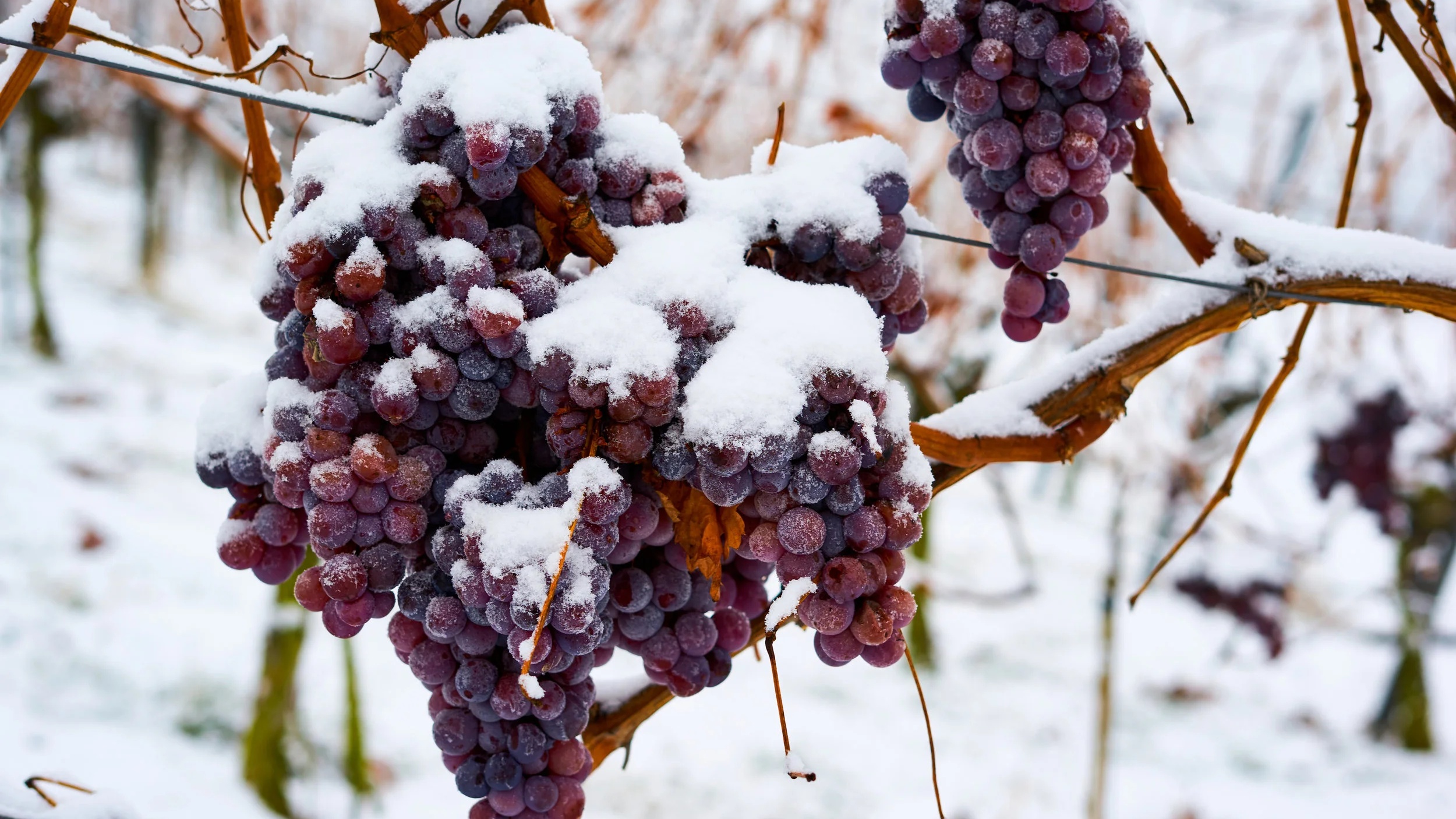
Ice Wine and Late Harvest: Nova Scotia's Sweet Wine Treasures
From frozen vines to golden drops, Nova Scotia’s ice wine and late harvests turn winter’s chill into pure sweetness—discover how the magic is made.
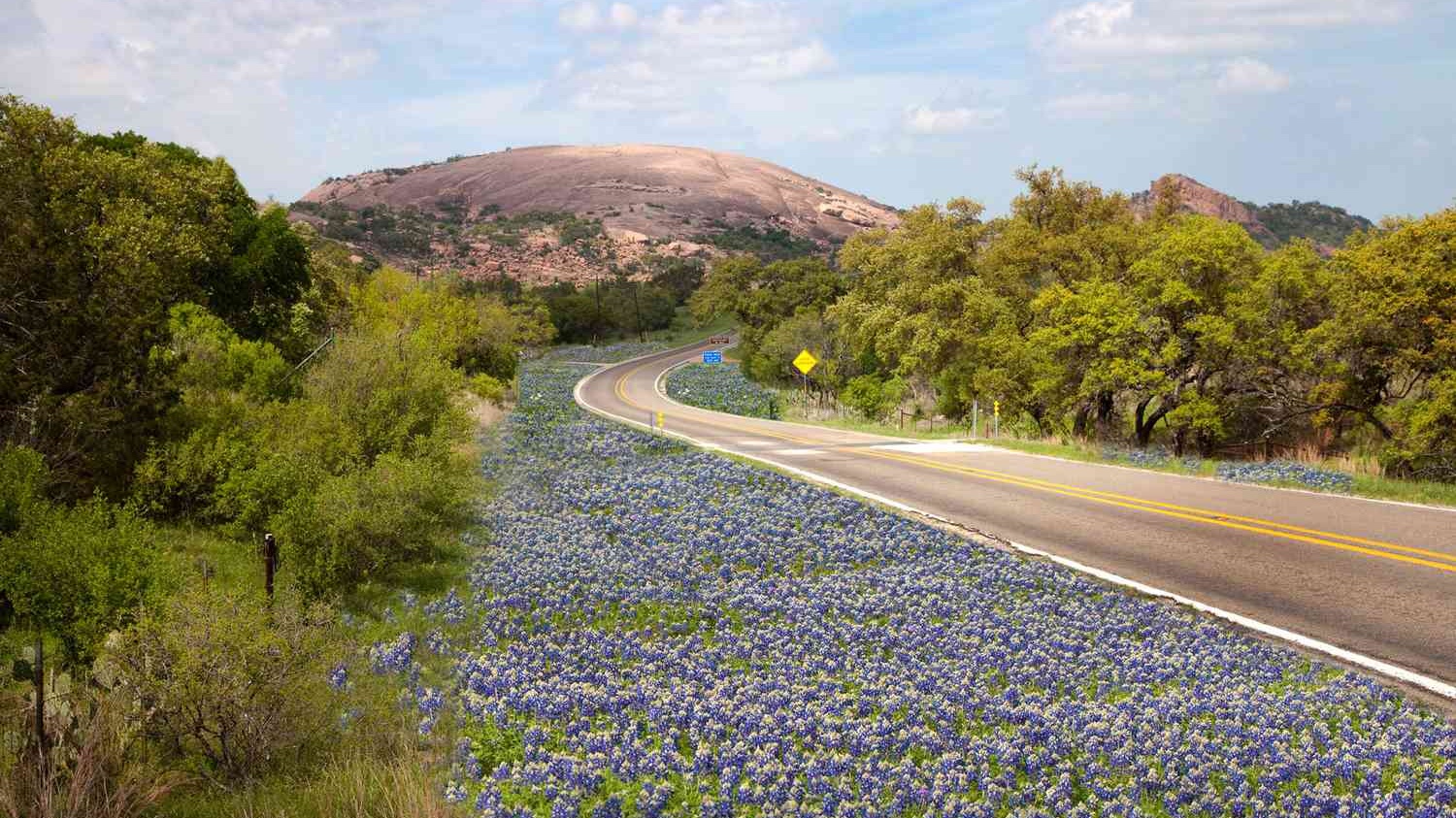
A Wine Lover's Day Trip from Halifax: The Ultimate Itinerary
Escape Halifax for a day of vineyard views, cellar tastings, and rolling Annapolis Valley charm—an easy getaway that feels worlds away.
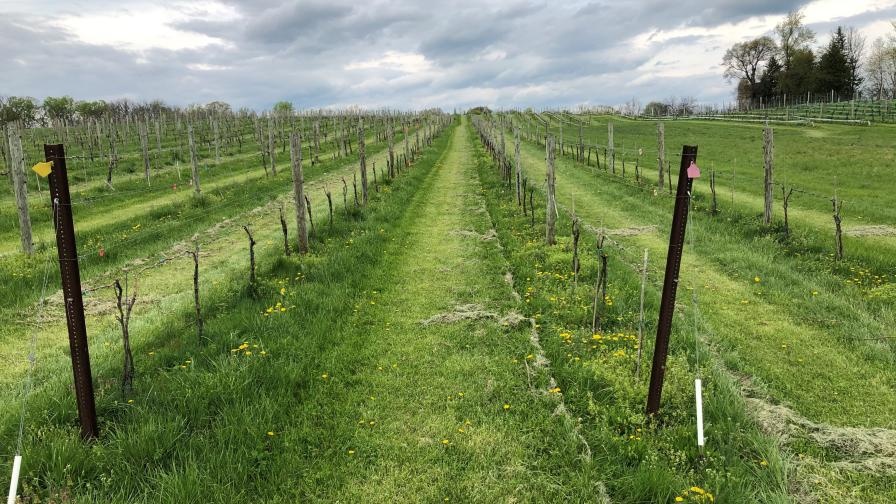
Sustainable Winemaking in Nova Scotia: Pioneers of Eco-Friendly Viticulture
From fog-kissed vineyards to forward-thinking wineries, Nova Scotia is redefining sustainable wine. See how eco-conscious growers craft exceptional bottles with a lighter footprint.