Seasonal Guide to Nova Scotia Wine Country: What to Expect Each Season
Discover how Nova Scotia wine country transforms with each season—from spring blossoms and summer patios to fall harvests and cozy winter tastings.
Introduction: Nova Scotia Wine Country Awaits Year-Round
Most people picture Nova Scotia wine country as a summer destination, those long golden evenings on a winery patio overlooking the Annapolis Valley, glass of Tidal Bay in hand. And yes, summer is spectacular. But here's what the locals know that visitors often miss: every single season in Nova Scotia wine country offers something genuinely different, genuinely worthwhile, and in some cases, genuinely unforgettable. The Annapolis Valley and the Gaspereau Valley, which together form the heart of Nova Scotia's wine region, transform dramatically from month to month. The landscape shifts, the wines shift, and the whole atmosphere of a winery visit changes with the seasons.
Nova Scotia sits at roughly the same latitude as the great wine regions of Burgundy and Champagne in France, and that northern climate is no accident when it comes to the wines produced here. The cool temperatures, the Bay of Fundy influence, and the unique terroir produce wines of genuine distinction, particularly the aromatic whites like L'Acadie Blanc, Tidal Bay blends, and increasingly impressive sparkling wines made in the traditional method. Whether you're planning your first visit or you're a returning enthusiast looking to experience the region in a new way, this seasonal guide will help you make the most of every month Nova Scotia wine country has to offer.
Spring: The Vineyard Awakens
What to Expect in the Vines
Spring in Nova Scotia wine country arrives slowly and then all at once. March is still firmly winter in the Annapolis Valley, with cold nights and unpredictable snowfall, but by late April the landscape begins its transformation. Bud break, the moment when the first tiny green shoots push through the dormant vines, typically happens in late April to mid-May depending on the variety and the specific microclimate of the vineyard. It's one of the most quietly dramatic moments in the winemaking calendar, and some wineries welcome visitors to witness it firsthand.
Watching bud break at a property like Domaine de Grand Pré or Luckett Vineyards gives you an entirely different relationship with the wine in your glass. You understand viscerally that this is an agricultural product, vulnerable to frost and weather, coaxed into existence by skilled hands and a bit of luck. The Gaspereau Valley is particularly beautiful in spring, with the valley floor still showing the soft greens of early growth against the backdrop of forested hillsides that haven't yet fully leafed out.
The Apple Blossom Festival and Early Tastings
One of the most beloved spring traditions in the Annapolis Valley has nothing directly to do with wine, but it sets the whole region buzzing with energy. The Apple Blossom Festival, held annually in late April and early May around Kentville and Wolfville, has been running since 1933. The valley's apple orchards burst into white and pink bloom, creating a landscape that looks almost impossibly beautiful, and the region fills with visitors, parades, live music, and community events.
The timing is perfect for combining with a wine country visit. Many wineries begin extending their hours in May and opening their tasting rooms after the quieter winter season. Benjamin Bridge, one of Nova Scotia's most acclaimed producers and the winery behind the celebrated Nova 7 sparkling wine, typically welcomes spring visitors to its hillside property overlooking the Gaspereau Valley. Blomidon Estate Winery, perched dramatically above the Minas Basin with views that will stop you in your tracks, is another excellent early-season destination.
Spring tastings have a particular intimacy to them. The crowds of summer haven't arrived yet, and you're likely to have genuine conversations with winery staff, sometimes with the winemaker themselves. You can ask questions, linger over a flight, and really absorb the philosophy of the winery without feeling rushed.
What to Pack and Where to Stay in Spring
Spring weather in the Annapolis Valley is genuinely unpredictable. You can have a warm, sunny day in the low twenties followed by a frost warning the next night. Pack layers, always, and bring a waterproof jacket that you can stuff into a bag when the sun comes out. Comfortable walking shoes that can handle muddy vineyard paths are essential if you want to get out among the vines.
Wolfville is the natural base for spring wine country exploration. This charming university town, home to Acadia University, has excellent accommodation options including the Tattingstone Inn, a beautifully restored heritage property that feels genuinely special. The town itself has good restaurants and a walkable downtown, and it sits right in the middle of the wine country corridor. Book accommodation earlier than you might think necessary if you're visiting during Apple Blossom weekend, as rooms fill up fast.
Summer: Peak Season and Pure Pleasure
Long Days, Outdoor Experiences, and Festival Energy
Summer in Nova Scotia wine country is everything the brochures promise and then some. The days are extraordinarily long this far north, with sunset sometimes not arriving until nine-thirty or ten in the evening in late June and July. Those extra hours of daylight mean extended patio time, outdoor concerts that run well into the evening, and a general sense of abundance that permeates the whole region.
The Annapolis Valley in summer is lush and green and warm, though rarely oppressively hot. Average summer temperatures hover in the low to mid-twenties Celsius, with cool evenings that make sleeping comfortable and that also contribute to the slow, even ripening that gives Nova Scotia wines their characteristic freshness and acidity. The combination of warm days and cool nights is exactly what winemakers dream about for preserving aromatic compounds in varieties like L'Acadie Blanc, Tidal Bay blends, and Riesling.
Outdoor Concerts and Patio Culture
Several Nova Scotia wineries have developed exceptional outdoor concert and event programs during the summer months. Luckett Vineyards in Wolfville, with its iconic red British telephone box in the vineyard and its stunning views over the valley, hosts regular summer events that draw both locals and visitors. The atmosphere at an outdoor concert at a Nova Scotia winery, glass of chilled Tidal Bay in hand, the valley spread out below you in the late evening light, is genuinely one of the great summer experiences in Atlantic Canada.
Gaspereau Vineyards, one of the region's most established and respected producers, offers a beautiful summer tasting experience in the Gaspereau Valley. Their L'Acadie Blanc and their Riesling are benchmarks for the region, and the winery itself sits in one of the most picturesque settings in Nova Scotia wine country. Summer afternoons here feel like a world away from ordinary life.
The Nova Scotia Winery Association's Tidal Bay wine, which is a regulated appellation wine that must meet specific standards for Nova Scotia-grown grapes and cool-climate character, is the perfect summer sipper. It's crisp, aromatic, often with notes of citrus and fresh herbs, and it drinks beautifully on a warm afternoon. Every winery that produces it brings its own interpretation, so summer is a great time to do a Tidal Bay comparison across multiple properties.
Summer Festivals and What to Pack
The Devour! Food Film Fest actually happens in fall, but summer brings its own festival energy to the region. The Annapolis Valley has a rich tradition of agricultural fairs and community events through July and August, and many wineries align their own special events with the broader summer festival calendar. Check individual winery websites for their summer event schedules, as these tend to be updated frequently and sell out faster than you'd expect.
For summer packing, light layers remain important even in July and August. A warm sweater for cool evenings is not optional. Sunscreen, sunglasses, and comfortable footwear for walking between vineyard blocks or along the dykelands trails near Wolfville will serve you well. The Grand Pre National Historic Site, a UNESCO World Heritage Site celebrating Acadian history and located right in the heart of wine country, is worth building into any summer itinerary.
Summer accommodation books up significantly in advance, particularly on weekends. Consider mid-week visits if you have flexibility, as you'll find better availability and a slightly more relaxed atmosphere at the wineries themselves.
Fall: Harvest Season and the Heart of Wine Country
The Harvest Experience
Fall is arguably the most exciting time to visit Nova Scotia wine country, and many serious wine enthusiasts would say it's the best season of all. Harvest typically begins in late September and runs through October, with exact timing depending on the variety and the character of that particular vintage. The energy at a working winery during harvest is electric. Fruit is coming in, the winery smells intoxicatingly of fermenting juice, and the whole operation is running at full intensity.
Several wineries offer grape picking experiences during harvest, allowing visitors to spend a morning or afternoon working alongside the harvest crew. This is genuinely hard work, and genuinely rewarding. You leave with a profound respect for the labour that goes into every bottle of wine, and usually with an invitation to taste some of the just-pressed juice. Contact individual wineries like Domaine de Grand Pré or Blomidon Estate directly to inquire about harvest volunteer opportunities, as these experiences are typically informal and arranged on a case-by-case basis.
Fall Foliage and Scenic Drives
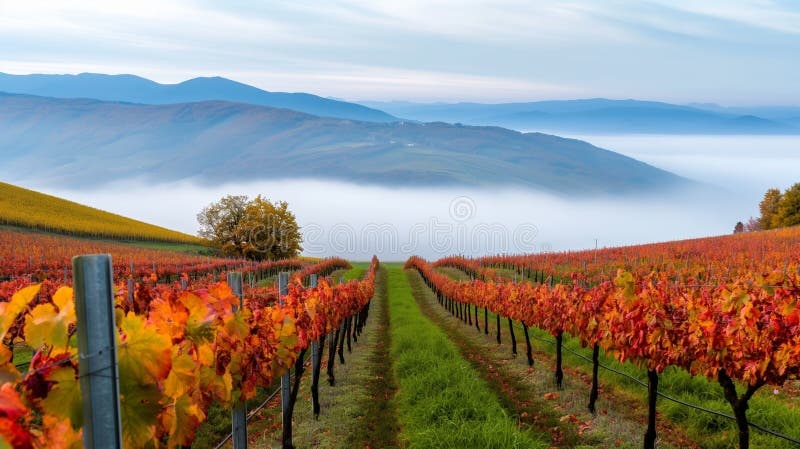
The Annapolis Valley and Gaspereau Valley in fall foliage season are breathtaking. The hillsides turn gold and amber and deep red, the vines themselves take on brilliant yellow hues, and the whole landscape looks like it was painted specifically for wine tourism photography. The drive along Highway 101 through the valley is beautiful, but the real magic is on the smaller roads, the ones that wind through the Gaspereau Valley or climb up toward the North Mountain ridge above the valley floor.
The Look-Off, a famous viewpoint on the North Mountain above Canning, offers one of the best panoramic views in Nova Scotia during fall foliage season. Pair a morning at the Look-Off with afternoon tastings at wineries along the valley floor and you have a near-perfect fall day.
Devour! Food Film Fest and Harvest Festivals
Devour! The Food Film Fest, held annually in Wolfville in late October, has grown into one of the most distinctive food and film festivals in North America. The premise is simple and brilliant: films about food, eating, cooking, and drinking, combined with exceptional food and beverage experiences in the host region. Nova Scotia wine country is the natural backdrop, and many winery events and special tastings are woven into the festival programming.
The festival draws chefs, filmmakers, food writers, and enthusiastic eaters from across Canada and internationally. Attending Devour! while staying in Wolfville and making daily visits to wineries in the surrounding region is one of the great wine tourism experiences available anywhere in Atlantic Canada. Book accommodation and festival tickets well in advance, as this event sells out significantly.
For fall packing, think proper layers and rain gear. October in Nova Scotia can be spectacular and sunny, or it can be grey and wet, and often it's both on the same day. A good waterproof jacket, warm mid-layers, and sturdy shoes are essential. The evenings get genuinely cold, so don't underestimate how quickly the temperature drops after sunset.
Winter: Cozy, Intimate, and Surprisingly Rewarding
The Tasting Room in Winter
Winter in Nova Scotia wine country is an entirely different experience from the other seasons, and it's one that deserves far more attention than it typically gets. The crowds are gone. The tasting rooms become genuinely cozy spaces, often with wood stoves or fireplaces, where you can settle in and have real conversations about wine without any time pressure. The winemakers and staff have more time to talk, to open special bottles, to share the stories behind the wines in a way that simply isn't possible during the summer rush.
Not every winery operates full hours through the winter months, so checking ahead is essential. But many of the major producers, including Grand Pré, Luckett, and Blomidon Estate, maintain winter hours and welcome visitors who make the effort to come out.
Ice Wine and Winter Wine Festivals
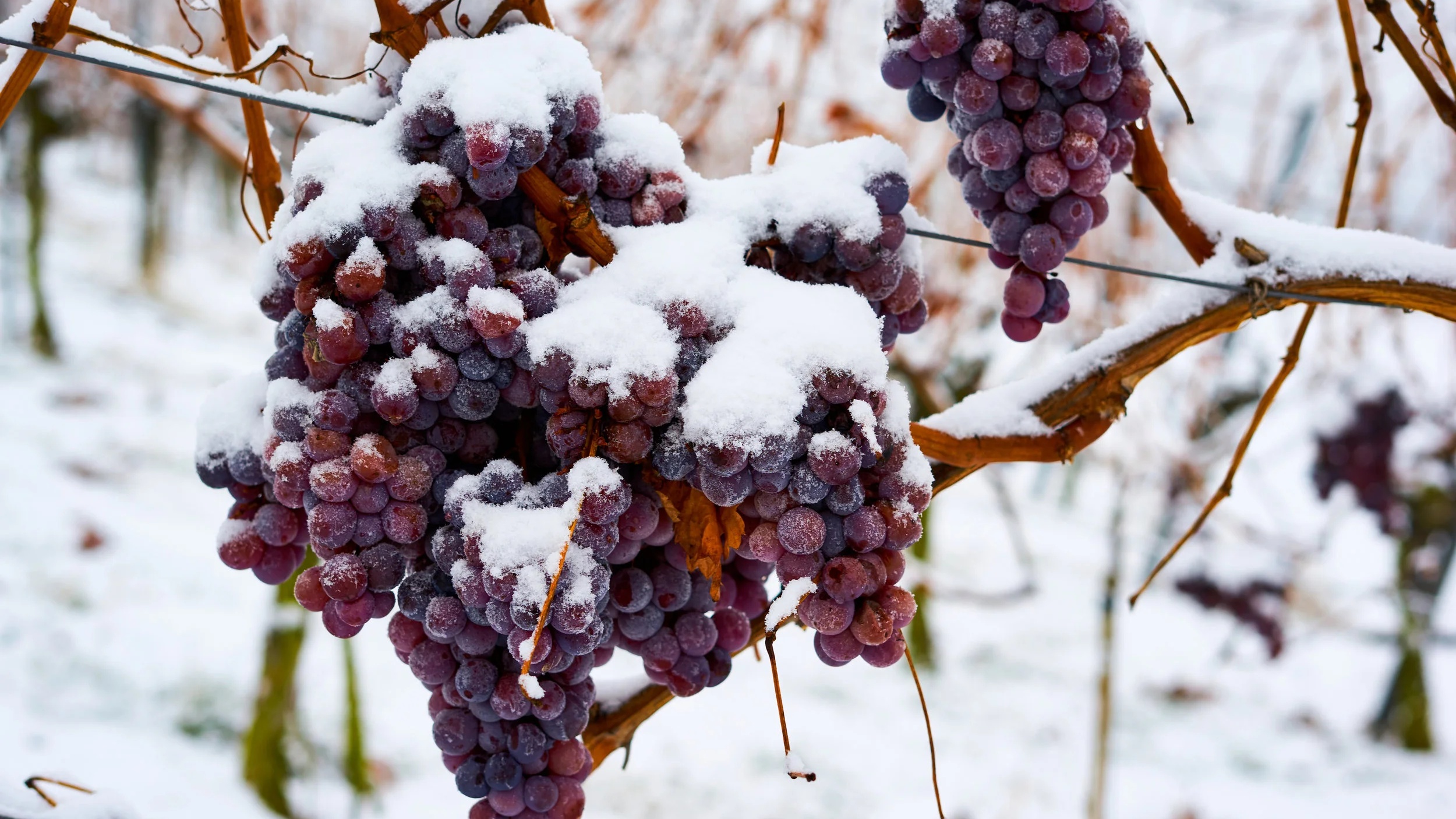
Nova Scotia's cold winters create the conditions for ice wine production, a labour-intensive and weather-dependent process that requires grapes to freeze naturally on the vine. Harvesting ice wine grapes typically happens in January or February, often in the middle of the night when temperatures are at their most reliably cold. The resulting wines are intensely sweet and concentrated, with flavours of honey, apricot, and tropical fruit balanced by crisp acidity.
The Nova Scotia Wine Passport program, which allows visitors to collect stamps at participating wineries and earn prizes, runs year-round but takes on particular appeal in winter when the slower pace makes it feel more like a genuine exploration than a checklist exercise. The program encourages visiting multiple wineries across the region and provides a nice structure for a winter wine country weekend.
Holiday Events and Winter Accommodation Tips
Several wineries host holiday events through November and December, including Christmas markets, wreath-making workshops paired with wine tastings, and special holiday wine releases. These events have a warmth and intimacy that perfectly suits the season, and they make for memorable holiday outings that feel genuinely special.
Wolfville remains an excellent winter base, and accommodation rates are typically lower than in summer. The town itself has a cozy winter character, with good restaurants and cafes that welcome you to warm up between winery visits. The Acadia University campus adds a lively energy even in winter, and the historic downtown has a genuine small-town charm that feels especially appealing when snow is falling.
Pack warmly, obviously. Real winter gear, proper boots, warm hat and gloves, and a heavy coat are non-negotiable for January and February visits. But don't let the cold discourage you. There is something genuinely magical about standing in a snow-covered vineyard, dormant vines stretching in rows across a white landscape, knowing that in just a few months those same vines will be pushing new growth toward another vintage. It puts the whole cycle of wine in perspective in a way that no other season quite manages.
Planning Your Nova Scotia Wine Country Visit
No matter which season you choose, Nova Scotia wine country rewards visitors who come with curiosity and a willingness to slow down. This is not a region that reveals itself on a rushed afternoon. The best wine country experiences here happen when you linger, when you ask questions, when you take the scenic route between wineries and stop to look at the view from the top of the dyke road near Grand Pré.
The region is compact enough that you can realistically visit three or four wineries in a day without feeling rushed, but spread over a weekend you can cover the major producers and still have time to explore Wolfville, walk the Grand Pré historic site, and eat well at the excellent local restaurants that have grown up alongside the wine industry. Planète Lounge in Wolfville and The Noodle Guy are local favourites worth seeking out.
Whatever season brings you to Nova Scotia wine country, come ready to be surprised. This is a wine region still finding its full voice, producing wines of increasing quality and distinctiveness, surrounded by landscapes that are beautiful in every season and home to people who are genuinely proud of what they've built here. That combination doesn't exist everywhere, and it's worth experiencing in every season you can manage.
Enjoy this article?
Get more wine stories and guides delivered to your inbox.
More Articles You Might Enjoy
Ice Wine and Late Harvest: Nova Scotia's Sweet Wine Treasures
From frozen vines to golden drops, Nova Scotia’s ice wine and late harvests turn winter’s chill into pure sweetness—discover how the magic is made.
A Wine Lover's Day Trip from Halifax: The Ultimate Itinerary
Escape Halifax for a day of vineyard views, cellar tastings, and rolling Annapolis Valley charm—an easy getaway that feels worlds away.
Sustainable Winemaking in Nova Scotia: Pioneers of Eco-Friendly Viticulture
From fog-kissed vineyards to forward-thinking wineries, Nova Scotia is redefining sustainable wine. See how eco-conscious growers craft exceptional bottles with a lighter footprint.