A Weekend Guide to Wine Touring in the Annapolis Valley
Plan the perfect weekend getaway to Nova Scotia's premier wine region with our curated guide to the best wineries, restaurants, and experiences.
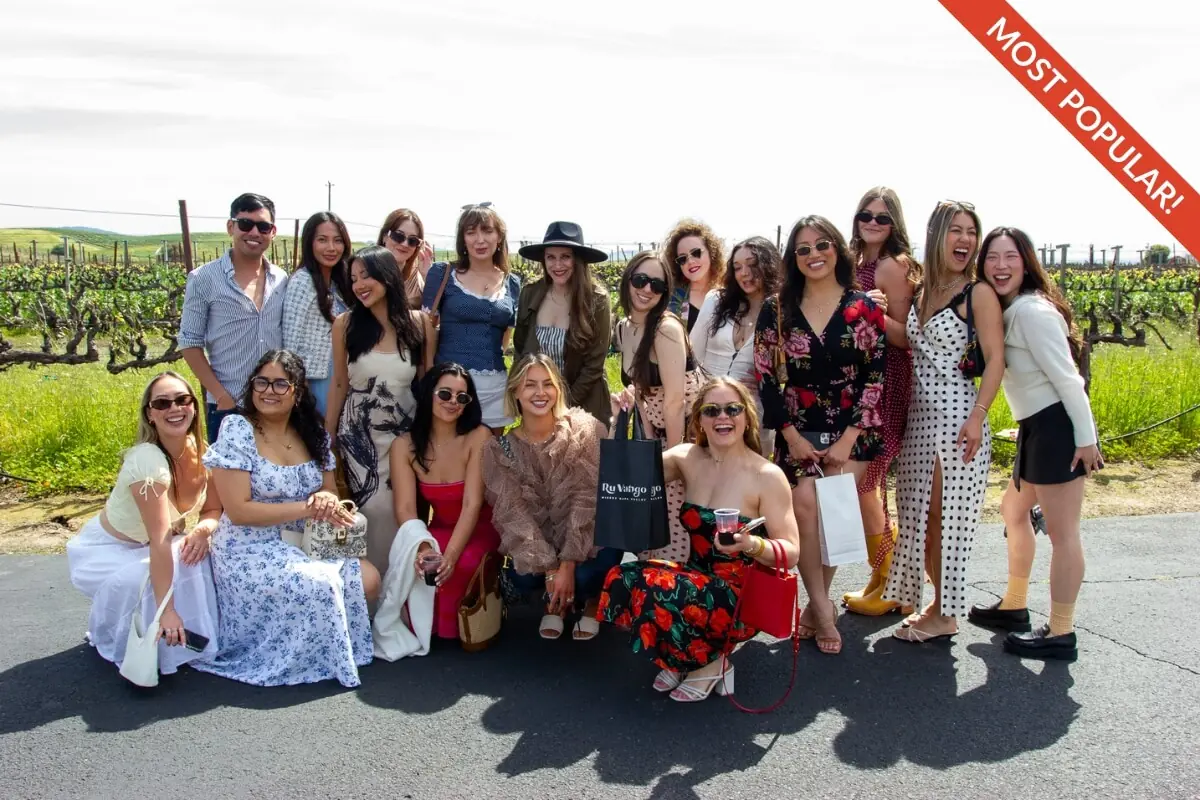
# A Weekend Guide to Wine Touring in the Annapolis Valley
There is a particular kind of magic that settles over the Annapolis Valley in Nova Scotia, a magic that has nothing to do with tourism brochures or Instagram hashtags and everything to do with the land itself. The valley stretches roughly 130 kilometres from Windsor in the east to Digby in the west, cradled between two mountain ridges and opened at either end to the tidal influence of the Bay of Fundy. The result is a microclimate unlike anything else in Atlantic Canada, a place where cool nights and warm summer days coax grapes into producing wines of remarkable character and distinction. This is not Napa Valley. It is not Bordeaux. It is something entirely its own, and that is precisely the point.
The Annapolis Valley wine scene has grown from a handful of pioneering estates into a genuinely world-class wine region over the past few decades. Winemakers here have learned to work with cool-climate varieties like L'Acadie Blanc, Tidal Bay, Vidal, and Baco Noir, alongside internationally recognized grapes that have found unexpected homes in this northern terroir. The region's sparkling wines, in particular, have earned international acclaim, putting Nova Scotia on the map for serious wine enthusiasts around the world.
A weekend is enough time to experience the best of what the valley has to offer, provided you plan thoughtfully and resist the urge to rush. This guide is designed to help you do exactly that.
Getting to the Annapolis Valley
The most practical point of entry for most visitors is Halifax Stanfield International Airport, which sits roughly an hour's drive from the heart of wine country. From Halifax, you take Highway 101 westbound, and the valley begins to reveal itself as you descend through the Avon River corridor and the landscape opens into farmland and orchards.
If you are flying in from elsewhere in Canada or from the United States, Halifax has direct connections from Toronto, Montreal, Ottawa, Boston, and New York, among other cities. Renting a car at the airport is strongly recommended and is, for practical purposes, essentially mandatory. While there are occasional shuttle services and tour operators who will drive you between wineries, the valley's geography means that having your own vehicle gives you the freedom to linger where you want to linger and move on when you are ready.
The drive from Halifax to Wolfville, which will serve as your base for this weekend, takes approximately one hour under normal conditions. The Trans-Canada portion of the journey is unremarkable, but once you exit onto Highway 101 toward Windsor and then continue toward Wolfville, the scenery begins to earn your attention. By the time you crest the ridge above the Gaspereau Valley and see the patchwork of vineyards and apple orchards below, you will understand why people keep coming back.
Day 1: Arrival and Afternoon in Wine Country
Plan to arrive in Wolfville or Grand Pré by early afternoon on your first day. This gives you time to check into your accommodation, get your bearings, and still make the most of the afternoon before dinner.
Wolfville itself is a charming university town, home to Acadia University, with a walkable main street lined with independent shops, cafes, and restaurants. The town has a genuine intellectual energy to it, the kind of place where people argue pleasantly about literature and wine in equal measure. Grand Pré, a few kilometres to the east, is quieter and more rural, sitting directly adjacent to the historic site that bears its name.
After settling in and having a light lunch, make your first stop at Domaine de Grand Pré, one of the oldest and most storied wineries in the region. The estate sits on a hillside overlooking the Grand Pré area, with views that extend across the valley toward the Minas Basin. The winery was established in 1994 and has played a significant role in shaping Nova Scotia's wine identity. Their tasting room is welcoming and unhurried, the kind of place where the staff genuinely want to talk about the wines rather than simply pour them and move you along.
At Domaine de Grand Pré, make a point of trying their Tidal Bay, the appellation wine that has become something of a signature for Nova Scotia as a whole. Tidal Bay is a dry white wine made from a blend of approved cool-climate varieties, and it is designed to express the particular coastal character of the region. It is crisp, mineral, and often carries subtle notes of green apple, citrus, and sea air. The winery also produces excellent Vidal whites and a range of reds and dessert wines worth exploring.
From Grand Pré, head west toward Wolfville to visit Lightfoot and Wolfville Vineyards, one of the most ambitious and visually striking estates in the valley. The property is certified organic and biodynamic, a distinction that matters both philosophically and practically to the winemaking team. The tasting room is architecturally beautiful, designed to frame views of the vineyard and the distant Bay of Fundy in a way that feels almost cinematic.
Lightfoot and Wolfville has built a strong reputation for their sparkling wines, and if you have any interest in traditional method sparkling production, this is the place to deepen your understanding. Their Blanc de Blancs and Blanc de Noirs are among the finest examples of Nova Scotia sparkling wine, showing the kind of complexity and refinement that stands comparison with producers from much more established regions. Their still wines, including Chardonnay and Pinot Noir, are equally thoughtful and worth your time.
Allow yourself at least an hour at each of these two wineries. Wine tourism done well is not about collecting stamps on a passport. It is about actually tasting, asking questions, and letting the wines tell you something about the place they came from.
Dinner at Le Caveau
End your first evening at Le Caveau Restaurant, located within the Domaine de Grand Pré estate. This is one of the finest dining experiences in Atlantic Canada and should be considered essential rather than optional. The restaurant sits in a converted wine cellar and barrel room, with stone walls and warm lighting creating an atmosphere that manages to feel both rustic and sophisticated.
The kitchen at Le Caveau works with local ingredients in a way that feels genuinely connected to the valley rather than performatively farm-to-table. The menu changes seasonally, but you can expect dishes that highlight Nova Scotia seafood, locally raised meats, and produce from nearby farms. The wine list is, naturally, heavily focused on the estate's own production, with thoughtful pairings suggested for each course.
Make a reservation well in advance, particularly if you are visiting during the summer months or during the valley's harvest season in September and October. Tables fill quickly, and this is not a meal you want to miss because you forgot to book ahead.
Day 2: The Gaspereau Valley and Beyond
Wake up early on your second day, have a proper breakfast, and head into the Gaspereau Valley, a narrow and beautiful corridor that runs southeast from Wolfville toward the town of Gaspereau. This valley contains some of the most important wineries in the region, and a morning spent here will give you a significantly deeper understanding of what Nova Scotia wine is capable of.
Your first stop should be Benjamin Bridge, a winery that has done more than perhaps any other to establish Nova Scotia's international reputation for sparkling wine. The estate produces a range of wines, but it is their Nova 7, a slightly off-dry sparkling wine made from Muscat, that has become a cult favourite across Canada. Light, fragrant, and irresistibly drinkable, Nova 7 is the kind of wine that converts people who think they do not like wine. Their traditional method sparkling wines are more serious and more complex, and the tasting room staff are exceptionally knowledgeable about the production process.
From Benjamin Bridge, continue along the valley road to L'Acadie Vineyards, a certified organic estate that has championed the L'Acadie Blanc grape with particular dedication. Winemaker Bruce Ewert has been making wine in the valley for decades and brings a depth of experience and passion to his work that is immediately apparent when you taste through his lineup. The estate's sparkling wines made from L'Acadie Blanc are consistently excellent, showing the grape's natural acidity and aromatic character to great advantage.
Gaspereau Vineyards rounds out the morning in the valley. This is a family-run estate with a more casual atmosphere than some of its neighbours, but the wines are serious and the setting is lovely. Their Tidal Bay is reliably good, and their Vidal Icewine, if available, is worth seeking out.
Lunch at Luckett Vineyards
By midday, you will have earned a proper lunch, and Luckett Vineyards provides one of the most enjoyable dining experiences in the valley. The estate, which sits on a hillside with sweeping views across the Gaspereau Valley, is known as much for its red British phone box in the middle of the vineyard as for its wines, but do not let the whimsical touches fool you. The restaurant serves excellent food, and the terrace on a sunny day is one of the best places to eat lunch in Nova Scotia.
Order a glass of their white or rosé, find a seat on the terrace, and take the time to simply sit with the view for a while. Wine touring can become exhausting if you treat it as a checklist rather than an experience, and a long, relaxed lunch is the antidote to that tendency.
Afternoon: Blomidon Estate and Planters Ridge
After lunch, head north toward the Minas Basin shore to visit Blomidon Estate Winery, which sits on land that has been farmed for centuries and commands extraordinary views of the Bay of Fundy and the red cliffs of Cape Blomidon. The estate produces a wide range of wines, and their tasting room is one of the most scenic in the valley. Their Tidal Bay is a benchmark example, and their red wines, made from cold-hardy varieties, show what is possible at the northern edge of viticulture.
Planters Ridge Winery, located nearby, is a smaller and quieter operation that rewards those who seek it out. The estate focuses on a tighter selection of wines, and the attention to detail in the cellar is evident in the glass. This is a good place to end your formal wine touring, as the pace is gentle and the conversation tends to be thoughtful.
Practical Tips for the Weekend
Transportation deserves careful thought before you arrive. The most important rule is simple: designate a driver, or hire one. Nova Scotia has strict impaired driving laws, and the roads in the valley, while generally good, include narrow rural routes where attention matters. Many visiting groups rotate the driving responsibility so that everyone gets to taste fully on at least one of the two days. Professional wine tour operators based in Halifax and Wolfville offer guided excursions that include transportation, and while these cost more than driving yourself, they eliminate the logistics entirely and often include access to private tastings or behind-the-scenes cellar tours.
For accommodation, Wolfville offers the widest range of options. The Tattingstone Inn is a beautifully restored heritage property with a strong reputation for hospitality and an excellent breakfast. Several well-regarded bed and breakfasts operate in and around Wolfville and Grand Pré, offering a more personal experience and the kind of local knowledge that no guidebook can fully replicate. For those who prefer hotel-style accommodation, there are options in Windsor and New Minas, though these require slightly more driving each day.
Costs for the weekend will vary considerably depending on your choices. Winery tastings typically range from eight to twenty dollars per person, with fees often waived if you purchase wine. Dinner at Le Caveau will run approximately sixty to ninety dollars per person before wine, which is genuinely reasonable given the quality of the experience. Accommodation in Wolfville ranges from roughly one hundred and twenty dollars per night for a modest bed and breakfast to two hundred and fifty dollars or more for premium rooms during peak season.
Booking ahead is not optional during the summer months and is strongly advisable during harvest season. The valley draws significant visitor numbers from July through October, and both restaurants and accommodation fill quickly. Make your reservations for Le Caveau the moment you confirm your travel dates. Some wineries, particularly Benjamin Bridge and Lightfoot and Wolfville, also appreciate advance notice for larger groups or private tastings.
Dress practically and in layers. The valley can be warm and sunny in the afternoon and noticeably cool by evening, particularly near the water. Good walking shoes are important, as many winery properties involve uneven ground and gravel paths. Bring a cooler in your vehicle for transporting wine purchases, particularly during summer when bottles left in a hot car can suffer. Most wineries will provide wine bags, but a proper cooler with ice packs is worth the small effort.
Seasonal Considerations
Each season offers a different version of the valley. Summer brings the longest days, the warmest temperatures, and the most active social calendar, including outdoor events and festivals at various wineries. Autumn is arguably the most spectacular time to visit, as the harvest is underway, the leaves are turning, and the wines being made in the cellar fill the air with a particular fermentation perfume that is unlike anything else. Spring visits are quieter and often less expensive, with the
Enjoy this article?
Get more wine stories and guides delivered to your inbox.
More Articles You Might Enjoy
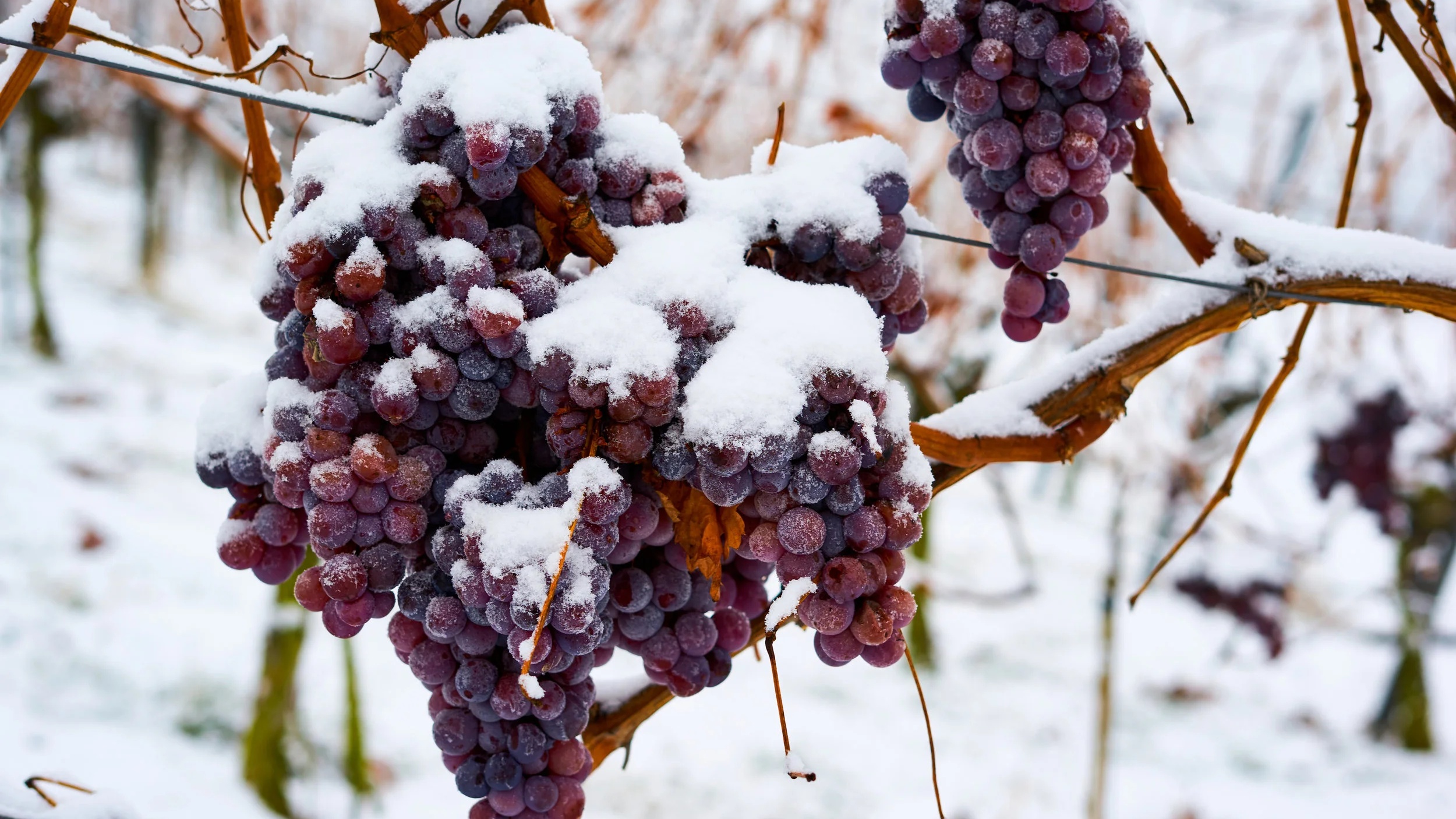
Ice Wine and Late Harvest: Nova Scotia's Sweet Wine Treasures
From frozen vines to golden drops, Nova Scotia’s ice wine and late harvests turn winter’s chill into pure sweetness—discover how the magic is made.
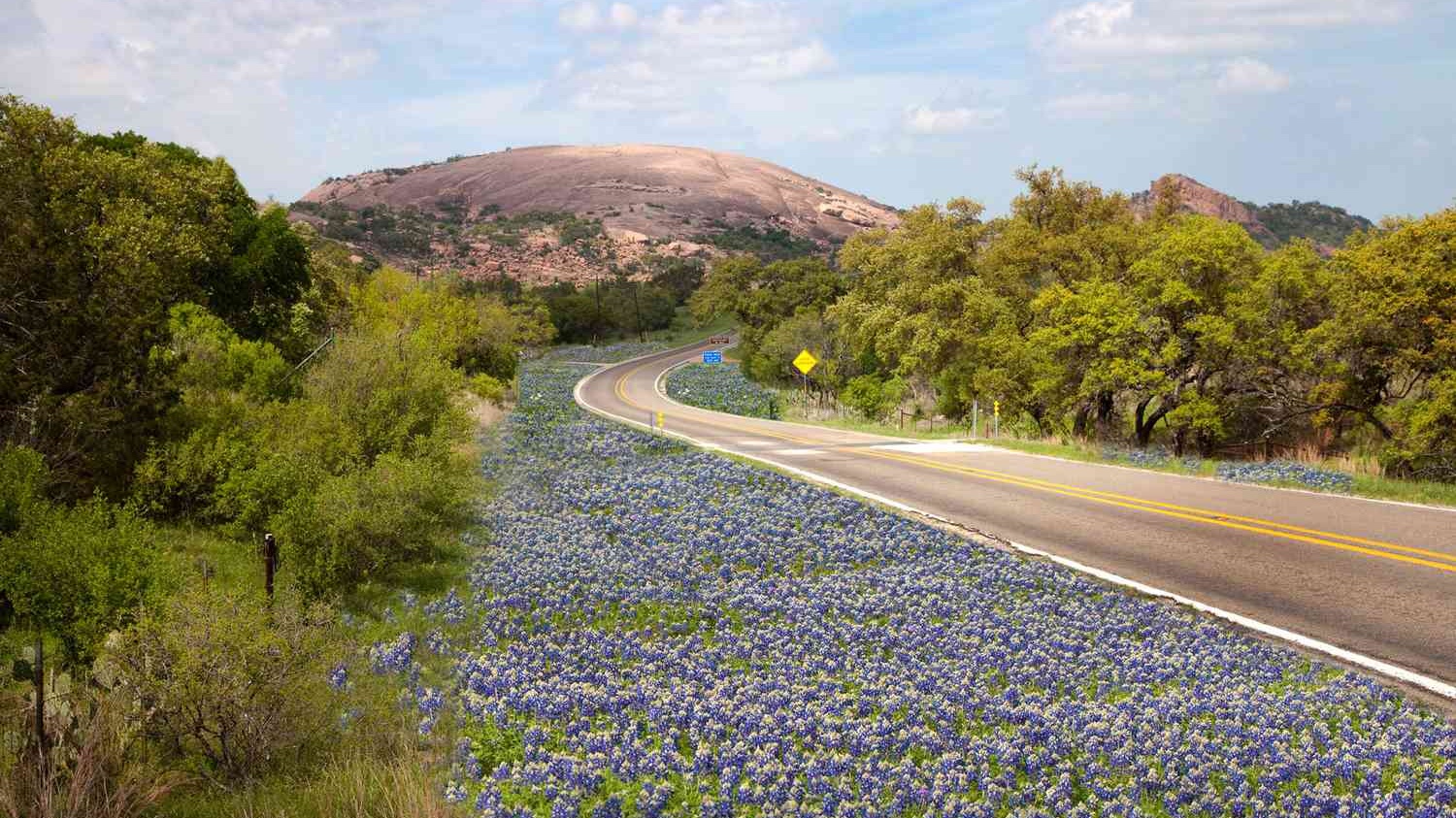
A Wine Lover's Day Trip from Halifax: The Ultimate Itinerary
Escape Halifax for a day of vineyard views, cellar tastings, and rolling Annapolis Valley charm—an easy getaway that feels worlds away.
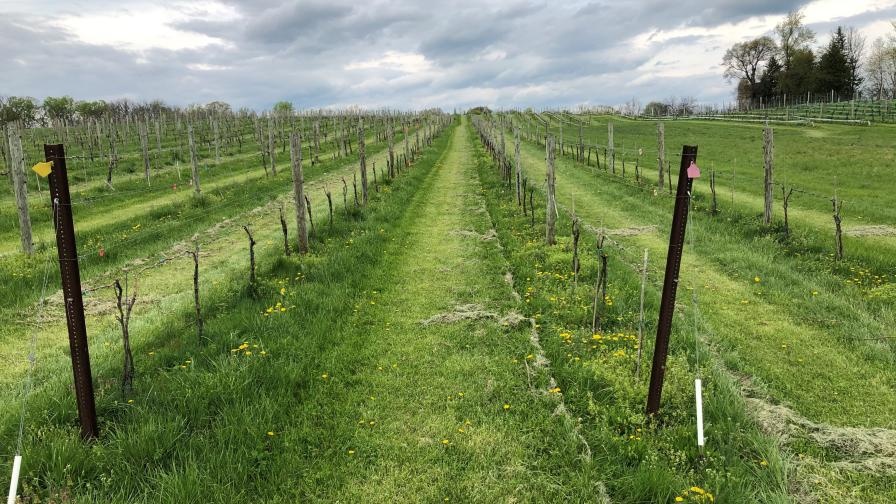
Sustainable Winemaking in Nova Scotia: Pioneers of Eco-Friendly Viticulture
From fog-kissed vineyards to forward-thinking wineries, Nova Scotia is redefining sustainable wine. See how eco-conscious growers craft exceptional bottles with a lighter footprint.